back to top

Wandering Spirits

Wandering Spirits categorize tales of restless souls and their symbolic themes in mythology, exploring their roles across various cultural narratives.

Relevant Beasts

American West
Ethereal Being
Californian Dark watchers
American West

Dark Watchers

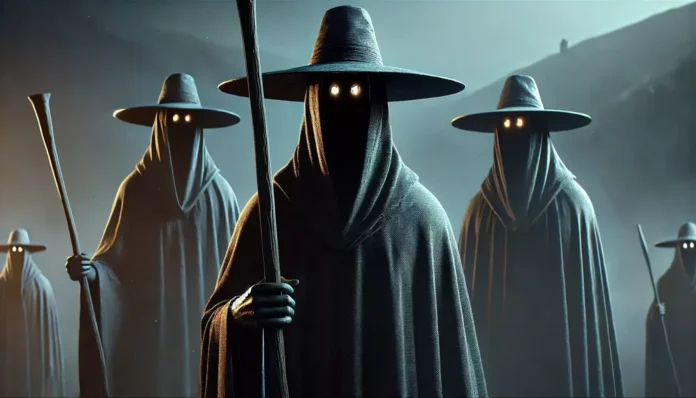
The Dark Watchers are mysterious, tall, shadowy figures from California folklore, often seen observing travelers from the Santa Lucia...

  • Skills
Hallucination InducementInvisibility
  • Weaknesses
Fog BlindnessSlow Movement

Wandering Spirits – an Overview

Wandering spirits refer to a recurring mythological theme across numerous cultures, embodying entities that are restless or displaced after death. These spirits often serve as explanatory tools for unexplained phenomena, representing those who cannot find peace. Their presence can reflect unresolved issues or spiritual imbalance, influencing folklore, cultural beliefs, and societal norms.

Core Characteristics and Themes

Narrative Function

Wandering spirits often serve to convey cautionary tales or moral lessons within folklore. They can represent the consequences of actions taken in life, emphasizing the importance of resolving grievances. These narratives might highlight ethical behavior or community values.

Symbolic Meaning

Symbolically, wandering spirits can embody fear of the unknown or anxiety about mortality. They may personify unresolved guilt or unfinished business, acting as reminders of human limitations, and vulnerabilities. Cultural interpretations might vary, but these spirits often signify disruption.

Cultural Context and Worldview

Relationship to Religion and Belief

In many traditions, wandering spirits are integrated into religious or cosmological systems, representing souls that have not reached an afterlife. They can interact with priests or shamans, who might perform rituals to guide them. Not all belief systems incorporate these spirits explicitly.

Role in Social or Moral Order

The concept of wandering spirits can reinforce social norms by illustrating the importance of fulfilling societal roles. Stories of these spirits might serve as warnings about neglecting familial duties or highlight the importance of community cohesion.

Associated Mythological Beings

Common Creature Archetypes

Common archetypes associated with wandering spirits include ghosts of the deceased, spirits of those wronged in life, and souls seeking redemption. These entities vary widely but often share characteristics of unrest and unresolved purpose.

Non-Creature Manifestations

Without a defined creature form, wandering spirits can manifest as changes in the environment, such as unexplained noises or movements. Folklore might describe them as gusts of wind or disturbances, symbolizing their intangible and elusive nature.

Variations Across Cultures

Regional Interpretations

Cultural interpretations of wandering spirits can differ significantly, with some viewing them as malevolent and others as benign. For example, in some Asian traditions, they might be seen as ancestors needing offerings, while Western folklore often views them as malevolent.

Shared Structural Patterns

Despite regional differences, wandering spirits commonly share structural elements, such as their association with death and the supernatural. They often symbolize incomplete transitions, acting as metaphors for spiritual or existential uncertainty.

Persistence and Transmission

Oral and Written Traditions

Wandering spirits have been preserved through oral storytelling, allowing for variation and adaptation. Written texts, where available, have provided a more fixed narrative framework, although oral traditions often allow for more dynamic interpretations and inclusion of new elements.

Adaptation Over Time

The lore of wandering spirits adapts as cultural contexts change, reflecting contemporary concerns or societal shifts. While foundational themes might remain, specific attributes or roles can evolve, showing resilience and flexibility across generations.

Scholarly Interpretation and Uncertainty

Symbolic vs Literal Readings

Scholars often debate the symbolic versus literal interpretations of wandering spirits. Some view them as cultural metaphors for psychological states or societal issues, while others consider them literal entities within traditional belief systems.

Limits of Historical Evidence

Historical evidence about wandering spirits is often scattered, with few comprehensive sources available. This lack of documentation creates challenges in assembling a complete understanding, leading to debates and differing interpretations among scholars.

Classification Notes

Distinction from Related Lore Types

Wandering spirits differ from other lore types such as evil spirits or deities by their defining characteristic of unrest and transition. While they share traits with some supernatural entities, their focus remains on unresolved matters related to death.

Use in Mythological Taxonomy

This lore type serves as a useful classification category due to its cross-cultural presence and thematic consistency. Wandering spirits exemplify a universal human theme, providing insight into cultural attitudes toward life, death, and the unknown.