
back to top

African Kingdoms

Relevant Beasts
Africa
Human-Animal Shifter
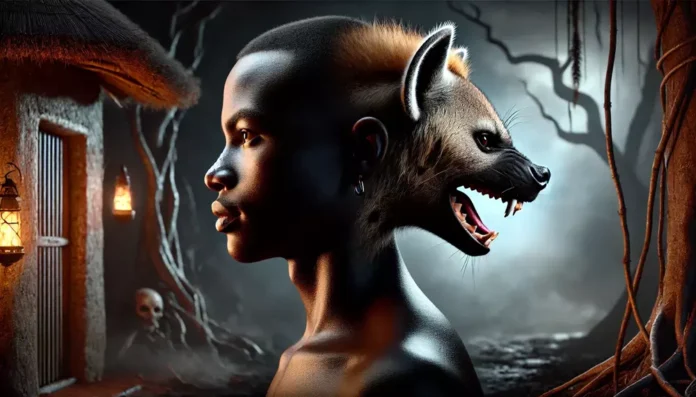
The Kishi - Angola Folklore
Angola

Kishi

The Kishi is a two-faced demon from Angolan folklore, presenting a handsome human front and a hyena visage on...

  • Skills
DisguiseShapeshifting
  • Weaknesses
Divine RestrictionsHoly Water

Overview of the African Kingdoms Period

During the African Kingdoms period, a robust tapestry of cultures and civilizations emerged across the continent. Spanning from approximately 300 AD to 1600 AD, this era saw the rise of kingdoms such as Mali, Ghana, and Songhai in West Africa, alongside powerful states in the East and South. These civilizations were defined by complex societal structures, vibrant trade networks, and rich cultural exchanges. The period was marked by a flourishing of arts, sciences, and spiritual practices, deeply influencing mythological and folklore traditions.The cultural importance of myths, folklore, and belief systems during this period cannot be overstated. They played a significant role in shaping the worldview of the people, providing explanations for natural phenomena and societal norms. Folklore acted as a means of preserving history and transmitting cultural values across generations. Understanding the African Kingdoms period requires an appreciation of how these belief systems intersected with daily life, governance, and social structures.

Cultural and Religious Worldviews

Dominant Belief Systems

Religious and spiritual beliefs during the African Kingdoms period were diverse and varied across regions. Animistic traditions permeated much of the continent, where spirits were believed to inhabit natural features like rivers, mountains, and forests. Ancestor worship was a common practice, emphasizing respect and communication with departed family members, who were seen as active participants in the world of the living. This connection between the natural and supernatural worlds fostered a deep reverence for nature and its rhythms.Islamic influence was significant, especially in West Africa due to the trans-Saharan trade routes. The spread of Islam introduced new cosmological perspectives, blending with indigenous beliefs to create unique syncretic practices. While Islam provided a monotheistic framework, local traditions often persisted, resulting in a rich tapestry of spiritual practices. Religious leaders, such as marabouts, played crucial roles in guiding communities, interpreting spiritual matters, and maintaining social order through religious teachings.

Role of Myth in Daily Life

Myths and legends were integral to the daily life of people during the African Kingdoms period. They provided moral guidance and reinforced social norms, often encapsulating lessons that were crucial for maintaining community cohesion. Rituals and ceremonies, rooted in mythological narratives, marked important life events such as births, marriages, and harvests. These stories also served as a means of entertainment and education, with skilled storytellers, or griots, preserving and passing down cultural heritage.The influence of myth extended to legal and political spheres, where rulers often claimed divine descent or received legitimacy through mythological narratives. This connection underscored the belief in the sacred nature of leadership and governance. Myths reinforced the idea of a divine order, which rulers were expected to uphold, thereby linking political power with spiritual authority. Consequently, myth and legend were woven into the fabric of both public and private life.

Mythological Beasts and Supernatural Entities

Common Types of Mythical Creatures

The African Kingdoms period saw the emergence of various mythological beasts and supernatural entities, each embodying specific cultural values and fears. Common figures included the trickster Anansi from West African folklore, who was celebrated for his wit and intelligence. Other creatures, such as the Nyaminyami of Southern Africa, symbolized natural forces and were often associated with fertility, protection, or destruction. These beings were not merely figments of imagination but were integral to the cosmological understanding of the world.Many mythological creatures were associated with specific elements or aspects of life, such as water spirits inhabiting rivers and lakes. These entities often had dual roles as both benevolent and malevolent forces, reflecting the complexities of nature itself. Their presence in myths and stories allowed people to articulate their relationship with the environment and the uncertainties it presented. The diverse range of creatures underscored the rich tapestry of beliefs that characterized the African Kingdoms period.

Symbolism and Meaning

Mythological creatures during this period often symbolized complex ideas and emotions, serving as metaphors for human experiences and societal values. For example, the powerful lion was a common symbol of strength, leadership, and courage, revered across many kingdoms. In contrast, serpentine creatures often represented both healing and danger, embodying the dual nature of life and death. These symbolic meanings provided a framework for understanding the world and human existence within it.The psychological and spiritual meanings attributed to these creatures were deeply embedded in cultural narratives. They offered insights into human behavior, morality, and the mysteries of the universe. By embodying abstract concepts, mythological beings facilitated a deeper exploration of life’s challenges and complexities. This symbolic language allowed communities to express shared values and beliefs, reinforcing social cohesion and continuity across generations.

Folklore Traditions and Storytelling

Oral and Written Transmission

The transmission of myths and beast legends during the African Kingdoms period primarily occurred through oral storytelling. Griots and other storytellers played a crucial role in preserving these narratives, using music, dance, and performance to engage their audiences. Oral tradition was a dynamic form of cultural expression, allowing for adaptation and creativity while maintaining core themes and messages. Written records also existed, although they were less common, often inscribed on materials such as stone, metal, or later, in manuscripts.Religious texts also contributed to the preservation of folklore and mythology. Islamic scholars in West Africa, for instance, documented local traditions, incorporating them into broader religious and philosophical discourses. These written accounts provided valuable insights into the interplay between indigenous beliefs and external influences. Despite the predominance of oral transmission, the existence of written records highlights the complexity and richness of the period’s cultural landscape.

Regional Variations

Folklore and mythological beings varied significantly between regions, reflecting the diverse cultural environments of the African Kingdoms period. In West Africa, tales often centered around trickster figures like Anansi, emphasizing cunning and adaptability. Meanwhile, in East Africa, stories of the spirits of Mount Kilimanjaro highlighted the connection between landscape and spirituality. Each region’s unique geography, climate, and history contributed to distinct mythological developments, creating a rich mosaic of beliefs and practices.These regional variations were not isolated but rather part of a broader cultural exchange facilitated by trade and migration. The interactions between different cultures led to the blending of mythological traditions, where elements of one region’s folklore could influence another. This dynamic process of cultural exchange enriched the mythological landscape, resulting in a diverse and evolving tapestry of stories and beliefs. Understanding these variations is crucial for appreciating the complexity and depth of the African Kingdoms’ mythological heritage.

Relationship Between Humans and the Mythical World

Fear, Protection, and Reverence

The relationship between humans and mythical creatures during the African Kingdoms period was multifaceted and complex. Mythical beasts were often perceived as both protectors and threats, embodying the dual nature of the supernatural world. For example, water spirits could bring prosperity and fertility, but if angered, they could also cause drought or disaster. This duality fostered a sense of reverence and caution, where rituals and offerings were made to appease these powerful entities.Mythological creatures also served as moral enforcers or divine messengers, conveying important lessons and warnings. Their stories often contained moral teachings, reinforcing societal norms and ethical conduct. As such, they were integral to the social fabric, shaping behavior and influencing community values. The interplay between fear, protection, and reverence highlights the profound impact of myth on human life and society during this period.

Influence on Art and Material Culture

The influence of mythological themes extended beyond storytelling into the realms of art and material culture. Artistic expressions such as sculpture, textiles, and pottery frequently depicted mythical creatures, serving as both decorative and symbolic objects. Architecture also reflected mythological motifs, with temples and palaces adorned with images of gods, spirits, and legendary beings. These artistic representations reinforced the presence of myth in everyday life, creating a tangible connection between the physical and spiritual worlds.Ceremonial objects and tools often incorporated mythological symbolism, used in rituals and religious practices. Masks and costumes, for instance, were crafted to embody the essence of specific creatures during performances and ceremonies. These material expressions of mythology allowed communities to engage with the supernatural in concrete ways, reinforcing the cultural significance of myth in shaping identity and worldview. The artistic legacy of the African Kingdoms period is a testament to the enduring power of myth in human culture.

Transition and Legacy of the African Kingdoms Period

As the African Kingdoms period progressed, mythological concepts evolved, transformed, and in some cases, declined. The arrival of new religions and cultural influences led to the reinterpretation of existing myths, integrating them into broader spiritual frameworks. For instance, the spread of Christianity and Islam introduced new narratives, which in some cases supplanted or merged with indigenous myths. This process of transformation reflects the adaptive nature of mythology and its ability to remain relevant amidst changing cultural landscapes.The legacy of the African Kingdoms period is evident in contemporary folklore, religions, and cultural storytelling traditions. Many myths and legends have persisted, continuing to inspire and inform modern interpretations of African cultural identity. The enduring influence of these mythological concepts is a testament to their cultural and historical significance. Understanding this legacy is crucial for appreciating the richness and diversity of African cultural heritage and its impact on global folklore and mythology.

Historical Reliability and Interpretation

Interpreting mythological material from the African Kingdoms period presents challenges due to the limitations of historical sources. Much of the mythology was transmitted orally, leading to variations and adaptations over time. Written records, where they exist, often reflect the perspectives of specific groups or external influences, necessitating careful analysis and interpretation. Scholars must navigate these complexities, distinguishing between belief and historical fact while acknowledging the symbolic nature of myth.Despite these challenges, the study of African Kingdoms mythology provides valuable insights into the cultural, spiritual, and social dynamics of the period. By examining myths within their historical context, scholars can uncover deeper meanings and connections, enriching our understanding of African cultural history. This interpretive process highlights the importance of mythology as a window into the past, offering a unique perspective on the beliefs and values that shaped one of the continent’s most vibrant eras.