
back to top

American West

Relevant Beasts
American West
Ethereal Being
Californian Dark watchers
American West

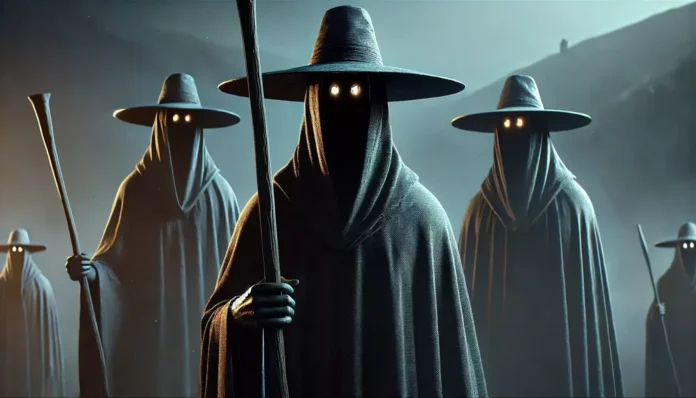
Dark Watchers

The Dark Watchers are mysterious, tall, shadowy figures from California folklore, often seen observing travelers from the Santa Lucia...
  • Skills
Hallucination InducementInvisibility
  • Weaknesses
Fog BlindnessSlow Movement
American West
Dark Fae
Jackalope north american-folklore
American West

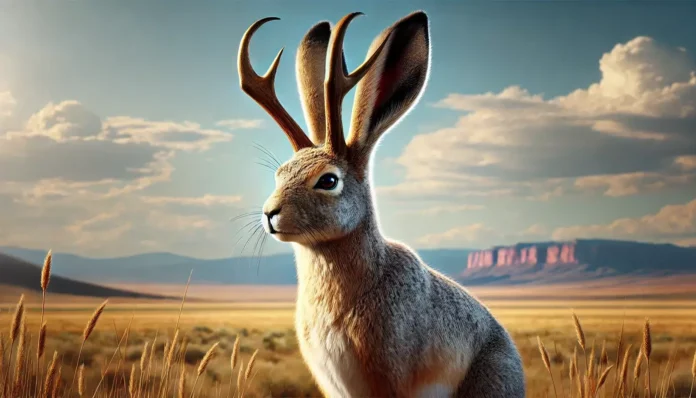
Jackalope

The Jackalope, a legendary North American creature, is described as a rabbit with antelope-like horns. Known for its cunning...

  • Skills
CamouflageEnhanced Agility
  • Weaknesses
High Altitude WeakPiercing Kill

Overview of the American West Period

The American West period, spanning the 19th century, was marked by expansion, exploration, and cultural amalgamation. Native American tribes, European settlers, and African American communities significantly shaped its historical context. This era’s conflicts and migrations created fertile ground for mythological narratives. Social and environmental challenges during this time contributed to the cultural importance of folklore and belief systems. Myths served to explain unfamiliar landscapes and articulate communal fears or hopes. As diverse cultures intersected, a distinctive mythology of the American West emerged, reflecting both indigenous traditions and settler narratives.

Cultural and Religious Worldviews

Dominant Belief Systems

Religious beliefs in the American West were heterogeneous, with Native American spiritual practices coexisting alongside Christian doctrines brought by settlers. Indigenous cosmologies often saw the world as interconnected, with spirits inhabiting natural features. Christian settlers viewed the land through a biblical lens, seeing their journey as divinely guided. Despite differences, both belief systems sought harmony with the natural world, though their methods and interpretations varied. This duality influenced their understanding of the supernatural, blending reverence for nature with narratives of conquest.

Role of Myth in Daily Life

Mythology played a crucial role in shaping daily life and societal norms. For Native Americans, myths were integral to rituals and conveyed moral lessons. Settlers adapted these stories to reinforce frontier values like bravery and justice. Myths also served as tools for social cohesion, providing a shared narrative framework. These stories were essential for maintaining cultural identity amidst rapid change and uncertainty. Through myths, communities expressed collective fears, virtues, and aspirations, often framing them within the context of survival and adaptation.

Mythological Beasts and Supernatural Entities

Common Types of Mythical Creatures

The mythological landscape of the American West teemed with diverse creatures. Native legends spoke of spirits like the Thunderbird or Wendigo, symbolizing power and caution. Settlers introduced figures like Sasquatch, bridging indigenous lore and European tales. These entities often embodied natural forces or moral parables, serving as cultural touchstones. Spirits associated with climate and geography, like desert phantoms or mountain protectors, were prevalent. They reflected the harsh environment’s impact on imagination and belief, providing explanations for unexplained phenomena.

Symbolism and Meaning

Mythical creatures held deep symbolic significance within their cultural contexts. For indigenous tribes, they often represented ancestral spirits or natural guardians, embodying qualities like wisdom or ferocity. Settlers imbued them with moral allegories, where creatures illustrated virtues or warned against vices. These beings symbolized nature’s unpredictability and humanity’s struggle with destiny. By interacting with these entities within myths, communities explored themes of transformation, resilience, and the balance between human endeavors and the natural world.

Folklore Traditions and Storytelling

Oral and Written Transmission

Folklore in the American West was primarily transmitted orally, with storytelling being a communal activity. Native Americans preserved myths through oral tradition, with elders passing stories to younger generations. Settlers recorded these tales in diaries and later in newspapers or books. The interplay of oral and written traditions allowed for the adaptation and preservation of folklore, accommodating new experiences and influences. This dual transmission ensured that while stories evolved, they retained a core reflective of their original cultural significance.

Regional Variations

Folklore varied significantly across the American West, reflecting regional and cultural differences. Plains tribes might tell of the Buffalo Spirit, while desert communities revered serpentine figures. Settlers adapted local tales, incorporating indigenous elements into their narratives. This regional diversity highlighted different environmental challenges and cultural priorities. Despite shared themes of survival and conquest, the mythic tapestry was richly varied, with each region contributing distinct motifs and characters to the broader mythological canon of the American West.

Relationship Between Humans and the Mythical World

Fear, Protection, and Reverence

Interactions with mythical beings were complex, blending fear, reverence, and protection. For indigenous peoples, these entities were often seen as protectors or guides, demanding respect and careful engagement. Settlers viewed them with suspicion, sometimes as harbingers of danger. These perspectives shaped rituals and behaviors, influencing how communities engaged with their environment. The dual nature of these relationships underscored the tension between familiarity and the unknown, defining the spiritual landscape of the American West.

Influence on Art and Material Culture

Mythological themes were deeply embedded in the art and material culture of the American West. Native art featured motifs of spirits and animals, reflecting spiritual narratives. Settlers incorporated similar themes into their crafts, from quilts to carvings. Mythological representations appeared in architecture, with symbols of protection or prosperity. These artistic expressions bridged cultural divides, creating a visual language that communicated shared values and concerns. They served to both preserve traditions and adapt them to new contexts.

Transition and Legacy of the American West Period

Mythological concepts from the American West period evolved into modern folklore, influencing American cultural identity. As frontiers closed, myths adapted to urban and suburban settings. Stories like Bigfoot or the Chupacabra emerged, carrying echoes of older legends. This evolution reflects changes in societal concerns and technological advancements, showing continuity in myth-making while adapting to contemporary realities. The enduring legacy of these myths highlights their foundational role in American storytelling, influencing literature, film, and popular culture.

Historical Reliability and Interpretation

Historians face challenges in interpreting mythological material from the American West, often contending with fragmentary sources and conflicting narratives. Oral traditions lack the permanence of written records, complicating verification. Symbolic interpretations require careful consideration of cultural context, avoiding anachronism. Scholars must distinguish between belief and historical fact, navigating the complexities of syncretism and adaptation. Despite these challenges, the study of American West mythology provides invaluable insights into cultural identity, resilience, and the human capacity for storytelling.