back to top

Animal Communication

Animal Communication in mythology refers to the ability to converse or interact with animals, often seen as a gift or magical skill.

Relevant Beasts
Asia
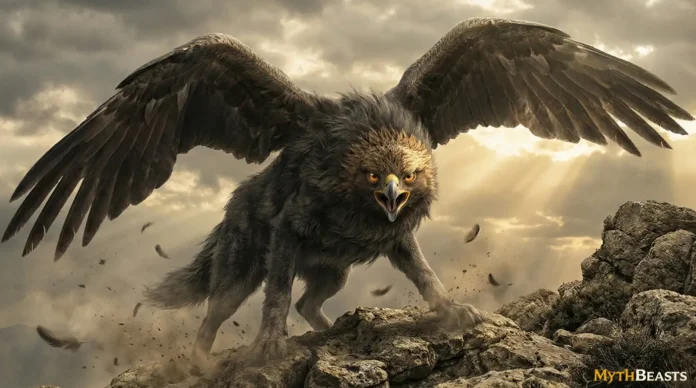
Giant Bird
Chamrosh - Guardian bird - Persian and Zoroastrian folklore
Iran

Chamrosh

A mighty guardian bird beneath the sacred tree on Mount Alborz that gathers seeds, spreads them across the earth,...
  • Skills
Animal CommunicationControl & Summoning
  • Weaknesses
Consecrated LandDivine Restrictions
Africa
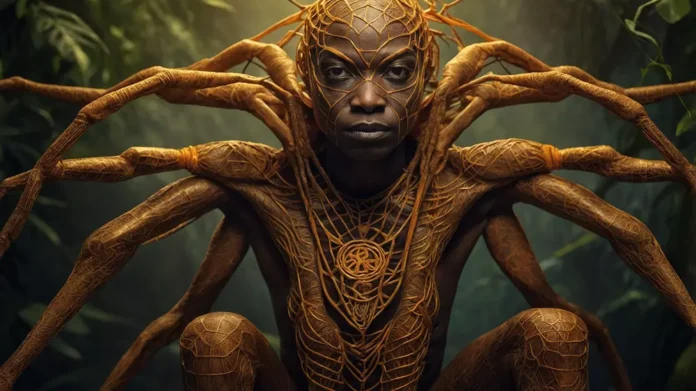
Spider
Ghana

Anansi

Anansi is a cunning spider figure in African and Caribbean folklore, known for his wit and trickery, often embodying...

  • Skills
Animal CommunicationDisguising Illusion
  • Weaknesses
Impulsive ReactionOverconfidence

Animal Communication – an Overview

Animal Communication is a distinct mythological function wherein certain beings, forces, or places possess the ability to converse with animals. This ability transcends simple understanding, embodying an integral role in the mythological classification system. Unlike general supernatural powers, Animal Communication is seen as a specific category that reflects a deeper connection between the natural and supernatural realms. Cultures across history recognized this communication as a unique attribute that offered insight into the harmony or discord between humanity and nature, often involving the mediation of divine or semi-divine figures.

Manifestation and Constraints

How Animal Communication Is Expressed

In mythological traditions, Animal Communication is often observable through storytelling where characters engage in dialogues with animals, leading to transformative journeys or revelations. Such interactions may cause substantial shifts in narrative direction or impart important wisdom. This communication is often depicted as an inherent ability of certain mythical creatures or bestowed upon heroes by supernatural means. The environmental impact of these interactions may include the restoration of balance or the exposure of hidden truths.

Limits and Conditions

Symbolic, moral, and cosmological constraints play a critical role in defining the scope of Animal Communication within myths. It is rarely portrayed as a universally accessible ability; instead, it is bound by ethical considerations or specific environmental conditions. For example, only the pure of heart or those on a divinely sanctioned quest could converse with animals. These limitations reinforce the moral or societal values held by the culture, illustrating the necessity of worthiness or divine favor to access such profound connections.

Mythological Role and Meaning

Symbolic and Cultural Significance

Animal Communication symbolizes the interconnectedness of life and the wisdom inherent in nature. It often reflects societal ideals concerning the symbiosis between humans and the animal kingdom. This ability serves as a symbol of purity, enlightenment, or moral superiority, frequently associated with those chosen by the divine or those who demonstrate a deep respect for nature. Across various traditions, it underscores the importance of understanding and respecting all forms of life, presenting a vision of a world where harmony is achieved through empathy and mutual respect.

Animal Communication in Myth and Folklore

Within mythological narratives, Animal Communication plays a pivotal role in establishing authority or effecting transformations. It often marks the bearer as possessing an unusual insight or connection with the divine. This function can serve as a boundary marker between the mortal and the magical, often signifying a rite of passage or divine favor. In some tales, it facilitates the resolution of conflicts or the achievement of seemingly impossible tasks, aligning the protagonist with the moral or cosmic order upheld by the tradition.

Beasts with Animal Communication

Nagas

Originating from Hindu and Buddhist traditions, Nagas are serpent-like beings characterized by their profound wisdom and ability to communicate with both humans and animals. This communication ability is integral to their role as protectors of earthly treasures and water sources. Without Animal Communication, their function as mediators between the divine and mortal realms would be incomplete, as it enables them to guide and interact with humanity and the natural world.

Hugin and Munin

In Norse mythology, Odin’s ravens, Hugin and Munin, are known for their ability to gather and relay information from all over the world, including messages from animals. Their Animal Communication is fundamental to their identity, as it allows them to maintain Odin’s awareness of earthly events and the natural world. Without this function, their role as informants and guardians of knowledge would be diminished, removing their essential contribution to Odin’s omniscience.

Cerberus

In Greek mythology, Cerberus, the multi-headed hellhound, is traditionally associated with guarding the entrance to the Underworld. Its ability to understand and communicate with souls and creatures crossing the threshold is crucial. This communication skill positions Cerberus as more than a mere guard; it defines its identity as a discerning judge of souls, ensuring the correct order is maintained in the underworld.

Cultural Interpretations and Regional Emphasis

Different cultures interpret Animal Communication in various ways, often reflecting unique moral or cosmological principles. In some Native American traditions, animal communication is regarded as a gift that signifies harmony with nature, emphasizing balance and unity. In contrast, other cultures might view it as a divine privilege or a test of moral purity, highlighting the importance of ethical living. These divergent interpretations underscore the diverse values and beliefs held by different societies regarding human-animal interactions.

Similar or Related Mythological Functions

Functions related to Animal Communication include shape-shifting, where transformation into animals often entails communication abilities, and prophecy, where animals may convey divine messages. Although conceptually adjacent, Animal Communication remains distinct as it focuses more on dialogue and interconnectedness rather than transformation or foresight. While shape-shifting involves physical alteration, Animal Communication emphasizes spiritual or intellectual engagement with the animal world, highlighting symbiotic relationships rather than mere metamorphosis.

Historical Interpretation and Evidence Limits

Scholars interpret Animal Communication both literally and symbolically, recognizing its function as a metaphor for understanding and connection. However, gaps exist in historical sources, leading to varying interpretations across cultures and time periods. Often, evidence lacks specificity, and interpretations rely on contextual analysis. No verified sources describe this function universally, highlighting the inherent challenges in constructing a cohesive narrative from disparate mythological accounts. Despite these limitations, Animal Communication remains a significant point of study in understanding cultural attitudes towards nature and divinity.