back to top

Fire Control

Explore the mythological skill of Fire Control, the legendary ability to manipulate and command flames across various cultural traditions.

Relevant Beasts

Greece
Hybrid Creature
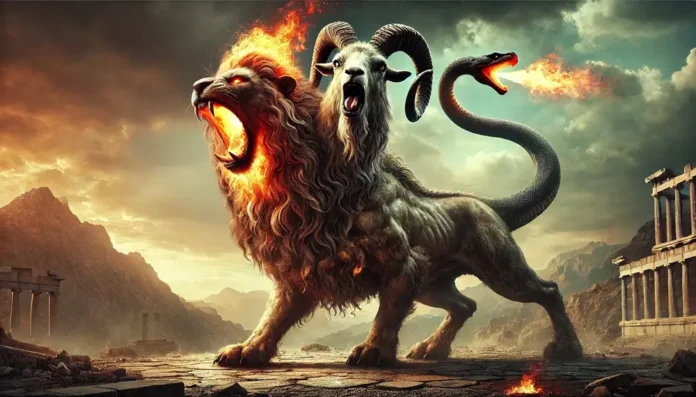
Chimera - a monstrous hybrid with the body of a lion, a goat’s head on its back, and a serpent’s tail.
Greece

Chimera

The Chimera is a ferocious Greek hybrid creature, part lion, goat, and serpent, symbolizing chaos and danger in mythology.

  • Skills
Fire Control
  • Weaknesses
Mortal Flaws

Fire Control – an Overview

Fire Control is a distinct mythological function characterized by its ability to manipulate fire in culturally significant ways. This ability separates itself from general supernatural phenomena due to its specific association with fire. In mythological systems, it is often attributed to beings, deities, or forces that wield fire for purposes such as creation, destruction, or transformation. Unlike general supernatural effects, Fire Control occupies a unique classification due to its thematic and symbolic resonance in various cultural narratives.

Manifestation and Constraints

How Fire Control Is Expressed

Fire Control is often observed through dramatic transformations or environmental impacts, such as turning objects into ashes or altering landscapes. In mythological contexts, these manifestations are not merely physical but also evoke profound changes in social or cosmic orders. Texts often describe these effects in relation to divine retribution or renewal, indicating the transformative power of fire as a symbol of both creation and destruction.

Limits and Conditions

Symbolically, Fire Control is often constrained by moral or cosmological rules within different traditions. Some cultures view it as a divine gift, others as a dangerous power needing strict regulation. These constraints emerge in narratives where misuse leads to downfall or chaos, underscoring fire’s dual nature as both a life-giving and destructive force. Environmental factors may also limit fire’s reach, aligning its control with natural laws or seasonal cycles.

Mythological Role and Meaning

Symbolic and Cultural Significance

Fire Control’s symbolism varies widely but often represents purification, transformation, or divine judgment. Its presence in myths illustrates the duality of fire as both a source of warmth and a harbinger of destruction. This duality often reflects broader cultural themes such as balance, renewal, and the cyclical nature of life. Moreover, Fire Control frequently serves as a symbol of authority or divine favor, reinforcing hierarchical structures within communities.

Fire Control in Myth and Folklore

In many myths, Fire Control delineates boundaries between the human and the divine, often serving as a narrative tool to express authority or highlight transgressions. For instance, narratives may involve heroes or deities using fire to establish or break social and cosmic orders. These stories often emphasize the consequences of wielding such power, serving as moral lessons about the responsibilities that accompany Fire Control.

Beasts with Fire Control

Dragons

Dragons are perhaps the most iconic creatures associated with Fire Control, known across various cultures from Europe to Asia. Their ability to breathe fire is central to their identity, symbolizing power, destruction, and wisdom. Dragons’ fire-breathing capability often serves as a metaphor for both creation and devastation, reflecting their complex roles in mythological narratives.

Firebirds

Firebirds, found in Slavic folklore, are creatures whose fiery plumage and transformative powers are integral to their mythological function. These birds often bring light to darkness or bestow blessings and curses, illustrating fire’s dual role. The firebird’s association with renewal and destiny underscores its symbolic importance in cultural stories.

Phoenix

The Phoenix, originating in ancient Egyptian and Greek mythology, is a creature defined by its cyclical regeneration through fire. This mythical bird’s ability to rise from its ashes serves as a powerful symbol of renewal and immortality. The Phoenix’s narrative emphasizes transformation and continuity, highlighting the life-giving aspect of Fire Control.

Cultural Interpretations and Regional Emphasis

Interpretations of Fire Control vary widely across cultures, reflecting different symbolic and moral frameworks. In some Asian traditions, fire symbolizes enlightenment and purification. Conversely, in certain European myths, it might represent chaos and destruction. These divergences illustrate how Fire Control adapts to local cosmologies, reflecting diverse cultural values and environments. Such variations emphasize the function’s adaptability and profound cultural integration.

Similar or Related Mythological Functions

Functions related to Fire Control include Lightning Manipulation and Solar Influence, with each closely associated yet distinct in focus. While Lightning Manipulation shares elemental violence and suddenness, it typically emphasizes divine communication or wrath. Solar Influence, on the other hand, connects more with life, time, and cyclicality, highlighting fire’s nurturing aspect. The separation is primarily in the thematic focus rather than elemental similarity.

Historical Interpretation and Evidence Limits

Scholars often interpret Fire Control through both symbolic and literal lenses. Symbolically, it represents broader themes like transformation and authority. Literal readings focus on the historical context of fire in human life, such as its role in agriculture or industry. However, documentation is often fragmented, making interpretations speculative. No verified sources describe specific rituals for Fire Control, underscoring challenges in reconstructing historical beliefs authentically.