
Illusions & Perception
Explore the mythological skill of illusions and perception, revealing how deities and legendary figures manipulate reality and human senses.
Relevant Beasts
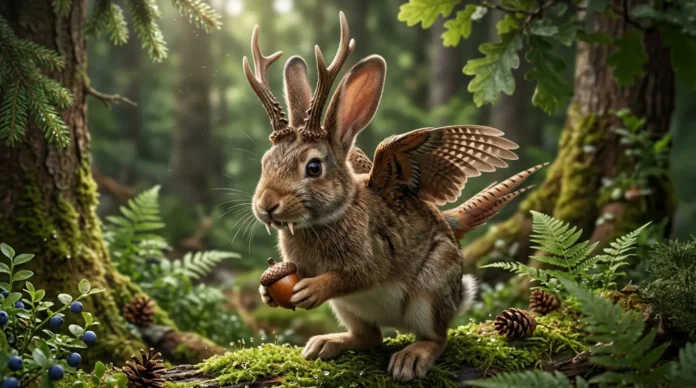
Wolpertinger - a mythical creature from Bavarian folklore, known for its hybrid animal appearance and cultural Mythology.
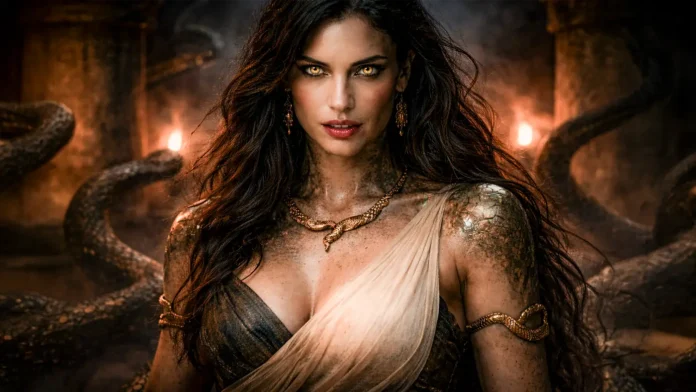
Lamia from Greek mythology, known for her tragic transformation into a child-eating creature, often depicted with a serpent-like body.
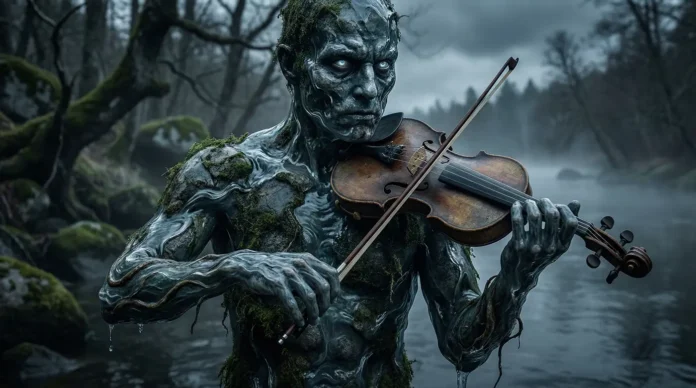
The Näcken is a water spirit from Scandinavian folklore, known for its enchanting musical abilities and shapeshifting nature.

Leprechauns are small, mischievous fairies from Irish folklore known for their trickery and guarding pots of gold.

The Loch Ness Monster, a cryptid from Scottish legend, is said to inhabit Loch Ness. A mysterious aquatic hybrid,...

The Cù-Sìth is a giant mythic hound in Scottish lore known to foretell death with its three barks. A...
Sub Categories
Aura of Calm
The ability to project an aura that soothes emotions and calms those around, easing fear, anger, or anxiety. This power is frequently wielded by benevolent spirits, gods of peace, or healers to restore harmony in chaotic situations.Aura of Calm is often used to prevent violence or soothe conflict.
Aura of Terror
The "Aura of Terror" is a mythological skill that instills profound fear in those who encounter it. This effect can cause paralysis, confusion, or even madness, disrupting mental stability. The aura's presence is often associated with certain legendary figures or entities known for their fearsome reputations, invoking dread without physical interaction.In mythological narratives, the aura serves as a protective mechanism or a tool for dominance, warding off enemies or asserting control over a domain. Its influence extends beyond individuals, sometimes affecting entire groups or communities. The aura's impact underscores the formidable nature of its wielder, enhancing their mythic stature and reinforcing the boundaries between the mundane and the supernatural.
Aura Reading
The ability to perceive the emotional or physical state of others by interpreting their aura, which may appear as colored light surrounding the person. Aura reading allows the user to detect hidden emotions, intentions, or health conditions.This skill is a valuable tool for healers, seers, or empaths to understand those around them.
Camouflage
Camouflage in mythology refers to the ability to blend seamlessly with the surrounding environment, rendering the user nearly invisible. This skill is often attributed to beings or entities seeking protection or stealth. It is characterized by the alteration of appearance, allowing for evasion from predators or discovery by humans. The effectiveness of camouflage is typically depicted as a natural or supernatural trait rather than a learned technique.Mythological camouflage affects perception, creating illusions that deceive observers. It often involves mimicking colors, patterns, or textures of the surroundings. This skill is sometimes linked to magical transformations or inherent qualities of certain creatures. Camouflage serves as both a defense mechanism and a strategic advantage in various myths, highlighting its importance in survival and interaction with the world.
Chameleon Cloak
Chameleon cloak allows the user to blend seamlessly into their surroundings, becoming nearly invisible. This ability manipulates light and color to camouflage the user, making them difficult to detect by both sight and technology. Chameleon cloak is ideal for stealth operations, allowing the user to move undetected through hostile environments or escape from dangerous situations.
Charm
Charm, in mythology, refers to the ability to influence or control the thoughts and emotions of others through supernatural means. This skill often manifests in enchanting speech or gestures, which can persuade, beguile, or pacify individuals or groups. It is frequently associated with deities, spirits, or magical beings who possess inherent allure or mystical authority.The effects of charm can alter perceptions, dissolve hostilities, or inspire devotion, often transcending ordinary human capabilities. Mythological narratives depict charm as a powerful tool, capable of reshaping social dynamics and circumventing conflict. This skill underscores the belief in the potent influence of charisma and the mystical manipulation of human will.
Color Manipulation
Color manipulation enables the user to change the color of objects, environments, or even people to create illusions or alter perceptions. This ability can be used to make objects blend into their surroundings, confuse enemies by shifting the appearance of vital areas, or create vibrant distractions. It is a subtle but effective tool in altering an opponent’s sense of reality.
Disguising Illusion
Disguising Illusion refers to the mythological ability to alter perceptions, making something appear different from its true form. This skill is often attributed to deities, tricksters, or magical beings who manipulate reality to deceive observers, creating convincing false appearances or altering existing objects or beings.In mythology, Disguising Illusion affects the senses, leading individuals to see, hear, or feel something that diverges from reality. It challenges the boundaries between truth and deception, often serving as a narrative tool to test characters’ discernment or moral integrity.
Distorted Space
Distorted space enables the user to warp the perception of distance, size, and direction within a given area. This ability causes enemies to misjudge distances, making it difficult for them to attack accurately or escape. Distorted space can also be used to create optical illusions that confuse or disorient opponents, trapping them in a visually altered environment.
Dream Manipulation
The ability to enter and control another person’s dreams, shaping their dreamscape or influencing their subconscious. This power allows users to plant ideas, create nightmares, or extract information from their victims while they sleep.Dream manipulation is commonly wielded by dream spirits or gods like Morpheus.
Dream Walking
The power to enter and move freely within the dreams of others, often used for communication or manipulation. Dream walkers can explore a person’s subconscious and influence their thoughts while they sleep.Dream walking is a rare but potent ability possessed by gods of sleep or dream spirits.
Emotion Projection
The ability to broadcast one’s emotions onto others, making them feel the user’s emotions intensely. This skill is often used by empathic beings, spirits, or magical creatures to influence or manipulate the mood of a group.Emotion projection can create harmony, fear, or joy in those affected.
False Reality Creation
False reality creation allows the user to construct an entire world of illusions, tricking opponents into believing they are in a completely different place or situation. The illusion can be so convincing that enemies may be unaware they are being deceived, allowing the user to manipulate their actions or set traps. False reality creation is particularly effective for long-term manipulation.
Gaze of Death
The "Gaze of Death" is a mythological ability reputed to cause death or severe harm through a mere glance. This skill is often associated with beings possessing supernatural powers, where their gaze alone is enough to inflict fatal consequences on living creatures. Such a gaze is considered a formidable force, transcending physical barriers and directly impacting the life force or spirit of the victim.In various myths, the "Gaze of Death" symbolizes ultimate power and the boundary between life and death. Its effects are understood as instantaneous and unavoidable, highlighting the fear and respect commanded by entities capable of wielding it. This skill underscores themes of mortality and the inherent vulnerability of life when confronted with transcendent forces.
Hallucination Inducement
Hallucination Inducement is a mythological skill that allows an entity to create sensory experiences in others that do not exist in reality. These illusions can affect sight, sound, touch, and other senses, often blurring the line between the real and the imagined. In mythology, this skill is typically associated with trickster figures or deities who use it to deceive, test, or teach humans and other beings.The effects of Hallucination Inducement can lead to confusion, altered perceptions, and sometimes enlightenment, depending on the intentions behind its use. It is often portrayed as a powerful tool for manipulating perceptions, challenging the victim's understanding of their environment. This skill highlights themes of reality versus illusion, emphasizing the fragility of human perception within mythological narratives.
Hallucination Projection
Hallucination projection allows the user to force opponents to experience vivid, disorienting hallucinations. These mental images can be terrifying, confusing, or misleading, causing enemies to act irrationally or make mistakes. Hallucination projection is a psychological weapon that targets the minds of opponents, making it a powerful tool in breaking down mental defenses.
Hypnosis
The power to place others into a trance-like state, making them susceptible to suggestions or commands. Hypnosis is often used by magical beings like vampires, sirens, or spirits to control or manipulate their targets without them realizing.It allows the user to bypass mental defenses easily.
Hypnotic Gaze
Hypnotic Gaze is a mythological capacity in which focused eye contact subdues another’s will, inducing immobility, compliance, or trance-like states. It often marks beings whose authority extends beyond ordinary persuasion.Traditions describe this gaze as bypassing speech, acting directly on perception, memory, and bodily control. It frequently signals dangerous charisma, tests of inner resolve, or boundaries between human autonomy and overpowering supernatural influence.
Illusion Breaking
The power to see through or dispel illusions, enabling the user to detect what is real and what is false. This ability is often possessed by highly perceptive beings like seers, prophets, or magical creatures who are immune to deception.Illusion breaking allows the user to recognize truth in a world of falsehoods.
Illusions
Illusions in mythology involve the creation of deceptive appearances, affecting perception by altering how reality is experienced. This skill manipulates visual, auditory, or sensory impressions, causing observers to perceive things that may not exist. It can obscure truth, mislead individuals, and shift boundaries between the real and imagined, playing a significant role in mythic narratives.Mythological illusions often serve as tests or challenges, requiring discernment to see beyond surface appearances. They are used by deities and magical beings to protect secrets, hide locations, or influence human behavior. Such illusions highlight the thin line between reality and perception, emphasizing the power of belief and perception in shaping one’s experience of the world.
Invisibility
Invisibility, in mythological contexts, allows beings to remain unseen by human eyes or other creatures. This ability often symbolizes the crossing of boundaries between worlds, highlighting the power to move undetected. It impacts perceptions by creating illusions or veils that conceal physical presence, often associated with divine or magical intervention. Mythologies frequently depict invisibility as a gift or tool granted by deities or enchanted objects.The concept affects both minds and environments, altering how reality is perceived by those around the invisible entity. It can represent protection, freedom, or secrecy, enabling actions without fear of discovery. Invisibility challenges natural laws, emphasizing themes of hidden knowledge or forbidden power. It reflects cultural views on transparency and the unseen forces influencing human affairs, maintaining a presence in various mythic traditions.
Invisible Maze
Invisible maze allows the user to create an unseen labyrinth that opponents must navigate. This maze is constructed from walls of pure illusion, making it difficult for enemies to find their way out. The user can also trap opponents in dead ends or force them to wander aimlessly, giving the user time to escape or prepare an attack.
Light Manipulation
The power to control, bend, or emit light to create illusions, obscure vision, or produce dazzling effects. Light manipulation can be used to blind enemies, create visual tricks, or enhance one’s presence by radiating divine light.This power is often wielded by celestial beings, gods, or magical creatures.
Melody Control
Melody Control is a mythological skill enabling the wielder to influence emotions and thoughts through music. This ability is often attributed to mythical figures who use song to enchant listeners. It can create harmony or discord, affecting both individuals and larger audiences, often leading to transformative experiences or altered states.In various traditions, Melody Control is believed to bridge realms, allowing communication with divine or supernatural entities. It can also serve as a protective measure, warding off malevolent forces. The skill underscores the profound impact of music in shaping human and cosmic interactions, highlighting its revered status in mythological narratives.
Memory Erasure
The power to selectively or completely erase memories from another person’s mind, often leaving no trace of what was forgotten. This ability is used by tricksters, gods of knowledge, or powerful sorcerers to hide secrets or control information.Memory erasure can be devastating when used on key events or vital memories.
Memory Illusion
Memory Illusion is a mythological skill that alters or fabricates memories within an individual's mind. It serves to confuse, manipulate, or control perceptions of past events, impacting decisions and emotions. This ability is often linked to trickster figures or deities associated with deception, who use it to achieve their objectives or teach lessons.In mythology, Memory Illusion can blur the line between reality and imagination, causing individuals to question their experiences. It challenges personal identity and truth by implanting false memories or erasing existing ones. The skill highlights the fragility of human perception and memory within mythological narratives, emphasizing themes of reality and illusion.
Memory Manipulation
The power to alter, erase, or implant memories in others, often to change their perception of events or create confusion. Memory manipulation is commonly wielded by sorcerers, trickster gods, or magical creatures who wish to control how others view the past.This skill is particularly useful for deception and controlling the narrative.
Mind Mirage
Mind mirage enables the user to project false thoughts, images, or scenarios into the minds of others. These mental illusions can deceive enemies into believing false information, making it easier for the user to manipulate or control their actions. Mind mirage is a subtle but powerful tool for disorienting opponents and shaping the outcome of a confrontation.
Mirror Illusions
Mirror illusions allow the user to create highly realistic illusions using reflective surfaces. These illusions can be used to confuse, misdirect, or hide the user from enemies by making it appear as though they are in multiple locations or altering the surrounding environment. The user can also trap opponents in a maze of reflections, making escape difficult.
Night Vision
Night Vision in mythology allows beings to see in darkness, often enhancing their perception beyond human limits. This skill is commonly attributed to creatures dwelling in nocturnal environments, enabling them to navigate and hunt effectively. It reflects an adaptation to the natural world, bridging the gap between mortal and supernatural abilities.In mythological narratives, Night Vision often symbolizes insight and hidden knowledge. It can represent an ability to perceive truths obscured by darkness, both literal and metaphorical. This skill may also signify a connection to the night, aligning its possessors with lunar and shadowy realms, influencing their roles within mythic stories.
Nightmare Creation
The ability to craft terrifying dreams, often used to haunt or torment others while they sleep. This skill is common among night hags, demons, or spirits associated with fear.By creating nightmares, users can weaken their targets mentally or disrupt their rest, causing lasting psychological damage.
Perception Shift
Perception shift grants the user the ability to alter the way others perceive the world around them. This skill can make objects seem closer or farther away, change the appearance of allies and enemies, or create entirely new sensations. Perception shift is useful for confusing opponents, making it difficult for them to distinguish between what is real and what is illusion.
Phantom Pain
Phantom pain enables the user to create the illusion of physical pain in others without causing actual harm. This ability is a psychological attack that causes opponents to feel as though they are injured, slowing them down or incapacitating them. Phantom pain is an effective tool for controlling or weakening enemies by targeting their perception of pain and injury.
Sensory Overload
Sensory overload allows the user to overwhelm an opponent’s senses by bombarding them with extreme stimuli such as bright lights, loud sounds, or intense smells. This ability causes confusion, disorientation, and temporary incapacitation, making it difficult for opponents to focus or fight back. It is a powerful tool for quickly neutralizing threats in a chaotic environment.
Shadow Illusions
Shadow illusions give the user the ability to manipulate shadows to create false shapes, creatures, or environments. These illusions can be used to scare, distract, or trap opponents, making it difficult for them to distinguish between real and fake threats. The shadows can also be used to obscure the user’s movements, providing cover in darkened environments.
Shape Stealing
Shape Stealing is a mythic capacity to take another being’s outward form, sometimes including voice and manner. It enables impersonation, concealment, and boundary crossing between identities within a community.In mythic thought, the act may alter the thief’s body or overlay an illusory likeness, confusing recognition and kinship claims. It tests social trust and the reliability of perception.
Silent Flight
Silent Flight is a mythological skill enabling creatures to move through the air without producing sound. This ability is often associated with stealth, allowing beings to approach undetected by prey or adversaries. In various myths, Silent Flight is perceived as an innate trait of certain supernatural entities, enhancing their mystique and perceived power. The skill is often linked to the ability to transcend ordinary physical limitations, reinforcing the creature's otherworldly nature.In mythology, Silent Flight is considered a symbol of mastery over the natural world, reflecting an entity's elevated status. It is sometimes seen as a divine gift or a result of magical intervention, indicating a close relationship with mystical forces. The skill's impact on the environment is subtle, yet profound, as it allows the possessor to maintain secrecy and surprise. Silent Flight often serves as a narrative device, emphasizing themes of invisibility and the unseen forces at work in the world.
Sound Manipulation
Sound manipulation in mythology refers to the ability to control, alter, or generate sound waves to achieve various effects. This skill might be used to create illusions, communicate across distances, or influence emotions through sound.In some traditions, sound manipulation is linked to creation myths, where the universe is spoken or sung into existence. It can also blur boundaries between the physical and spiritual realms, affecting both material and immaterial entities.
Sound Mimicry
Sound Mimicry is a mythological skill attributed to beings capable of perfectly reproducing any sound they have heard, including human speech, animal calls, or environmental noises. This ability often serves purposes such as deception, luring individuals, or concealing the being’s true presence within a mythological narrative.In various traditions, Sound Mimicry blurs the boundaries between natural and supernatural communication, allowing entities to manipulate perception or bypass normal barriers of language. The skill is sometimes associated with supernatural cunning, creating confusion among listeners or facilitating the accomplishment of otherwise impossible tasks.
Spectral Clone
Spectral clone allows the user to create a duplicate of themselves made entirely of illusionary energy. This clone can move, speak, and act independently, confusing enemies and making it difficult for them to identify the real target. Spectral clone is highly effective for misdirection and can be used to divert attention away from the user or create tactical advantages in combat.