back to top

Wind Control

Wind Control is a mythological skill involving the manipulation and mastery of air and wind, often attributed to deities and legendary figures.

Relevant Beasts

Mississippian
Guardian Animal
The Piasa Bird - Native American folklore
Mississippian

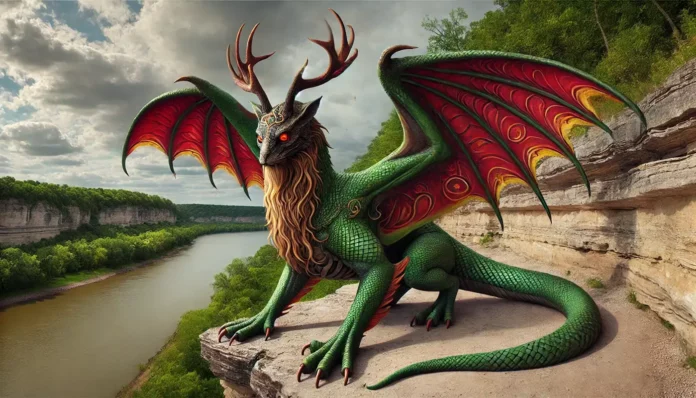
Piasa Bird

The Piasa Bird, a monstrous winged predator from Native American folklore, is said to dwell near the cliffs of...

  • Skills
CamouflageFire Breathing
  • Weaknesses
Blunt ForceLightning Damage

Wind Control – an Overview

Wind Control is a significant mythological function distinct from general supernatural phenomena. It involves the deliberate manipulation of winds, recognized in many cultures as a force with profound implications. Traditionally, it is categorized separately due to its unique consequences and transformative potential. This distinctiveness arises because Wind Control is associated with both creation and destruction, reflecting the dual nature of wind itself. Its attributes are illustrated in narratives where deities or mythical beings harness this power to impact natural and human realms. As such, it stands out as a specialized domain within mythological systems.

Manifestation and Constraints

How Wind Control Is Expressed

Wind Control appears in mythologies through various expressions, such as the ability to summon storms or the power to calm turbulent skies. Its manifestations often lead to significant changes in the environment, highlighting its disruptive capacity. In many traditions, the control over wind is credited with both beneficial and harmful effects, symbolizing a mastery over natural elements. This control can lead to transformations in landscapes or even influence human events, making it a potent narrative tool. Its impact is thus reflected in the balance between chaos and order, underscoring its mythological importance.

Limits and Conditions

The exercise of Wind Control is typically bound by moral and cosmological constraints within mythological frameworks. Certain traditions depict it as a privilege of the divine or those deemed worthy by spiritual criteria. This exclusivity underscores its symbolic significance, limiting accessibility to highlight the hierarchies within belief systems. Environmental conditions may also play a role, with certain geographic or temporal settings dictating when and how wind control is exercised. This reinforces its status as a regulated phenomenon rather than an arbitrary power. Such constraints ensure that its use aligns with cultural and moral values, preserving cosmic harmony.

Mythological Role and Meaning

Symbolic and Cultural Significance

Within mythological contexts, Wind Control embodies themes of change, unpredictability, and the boundary between the known and unknown. Symbolically, it represents the power to alter fate or the inevitability of transformation. Culturally, it may reflect societal understandings of authority or the natural order. In some traditions, mastery over wind signifies divine favor or the hero’s journey towards enlightenment. These interpretations highlight its multifaceted role, suggesting both the potential for control and the acceptance of forces beyond human influence.

Wind Control in Myth and Folklore

In various myths, Wind Control is crucial for structuring authority and facilitating transformations. It often serves as a boundary between realms, such as the terrestrial and the divine. Stories frequently depict figures who wield this power to demonstrate legitimacy or challenge cosmic order. This function underscores its role in narratives of transgression and restoration, illustrating the balance between independence and constraint. The recurring theme of wind as a boundary or bridge highlights its significance as a marker of both separation and connection in mythological thought.

Beasts with Wind Control

Garuda

Garuda, a mythological bird from Hindu tradition, exemplifies Wind Control through his ability to navigate and dominate the skies. As a mount of the god Vishnu, Garuda’s identity is intertwined with his aerial prowess. Without Wind Control, Garuda would merely be a powerful bird, lacking the divine agency and freedom attributed to him. His narratives emphasize the mastery of both physical and metaphysical realms, reinforcing Wind Control as central to his mythic role.

Fenghuang

The Fenghuang, often depicted in Chinese mythology, embodies Wind Control through its harmonious relationship with cosmic forces. As a symbol of virtue and grace, the creature’s control over wind signifies balance and order. It represents the ideal integration of yin and yang, making Wind Control essential to its identity. By influencing wind, the Fenghuang maintains equilibrium, serving as an emblem of peace and prosperity.

Thunderbird

In Native American mythology, the Thunderbird is renowned for its Wind Control, associated with storm creation and weather influence. This creature’s role involves wielding wind as a tool for both protection and retribution. Thunderbirds are guardians of natural order, and Wind Control is intrinsic to their function. Without this power, their narratives of shaping and maintaining balance within nature would lose fundamental coherence.

Cultural Interpretations and Regional Emphasis

Cultural interpretations of Wind Control exhibit substantial variation, reflecting different societies’ priorities and worldviews. In some cultures, it is a divine prerogative, reinforcing social hierarchies and spiritual authority. Conversely, in other traditions, Wind Control might symbolize individual empowerment or rebellion against unjust structures. This divergence highlights regional emphases on harmony versus conflict, control versus freedom. Such variations demonstrate the adaptability of Wind Control as a mythological concept, serving diverse narrative and societal needs.

Similar or Related Mythological Functions

Conceptually related to Wind Control are functions such as weather manipulation and elemental sovereignty. While all involve interacting with natural forces, Wind Control specifically emphasizes the air element’s mobility and unpredictability. This contrasts with more comprehensive elemental control, which often includes earth, fire, and water. Additionally, while both weather manipulation and Wind Control influence atmospheric conditions, the latter focuses specifically on the dynamic qualities of air, setting it apart within mythological systems.

Historical Interpretation and Evidence Limits

Scholarly interpretation of Wind Control often navigates between symbolic and literal readings. Some researchers emphasize its metaphorical aspects, illustrating societal values or psychological states. Others explore its literal role in historical belief systems, where wind held tangible significance. However, the historical evidence is often fragmentary, with limited sources providing comprehensive accounts. No verified sources describe this context universally, necessitating cautious reconstruction. The scarcity of texts complicates definitive conclusions, requiring careful distinction between documented beliefs and speculative interpretation.