back to top

Wraith Form

Wraith Form is a mythological skill granting transformation into an ethereal state, often associated with ghostly or spectral abilities.

Relevant Beasts

Asia
Ghostly Apparition
Japan

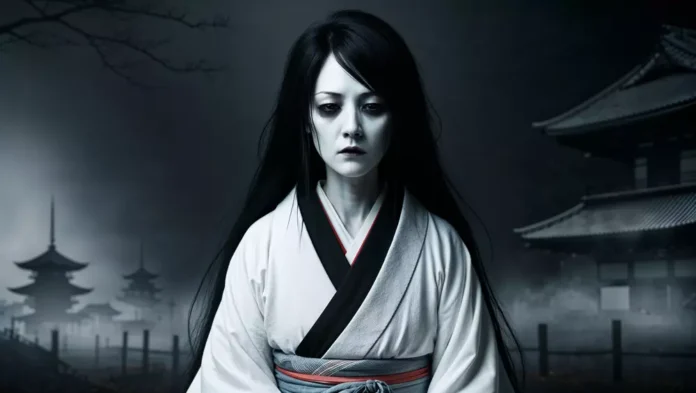
Yurei

Yurei are spirits from Japanese folklore, often depicted as ghostly figures that haunt the living, embodying themes of vengeance,...

  • Skills
Death & NecromancyFear Inducement
  • Weaknesses
Charm BlockedDivine Restrictions

Wraith Form – an Overview

Wraith Form is a distinct mythological function recognized across various cultural traditions as a unique state of being or transformation. Unlike general supernatural effects, Wraith Form embodies a specific kind of ethereal existence. It is often associated with beings that traverse the boundary between the physical and spirit worlds. Mythological systems classify Wraith Form separately due to its unique attributes, such as its transient and often imperceptible nature. It is more than mere intangibility and involves a complex interaction with the living world, often manifesting as a disruption of natural laws or perception.

Manifestation and Constraints

How Wraith Form Is Expressed

Wraith Form manifests in mythology through various observable phenomena, such as the sudden disappearance of physical entities, the ability to move through solid objects, or causing fear and confusion. In many traditions, these manifestations indicate a creature’s shift to a liminal state, emphasizing their otherworldly essence. The presence of Wraith Form can lead to environmental disruptions, like unexplained atmospheric changes or disturbances in natural order. These occurrences are often seen as signs of a breach between worlds, highlighting the creature’s altered state and its impact on reality.

Limits and Conditions

Mythological traditions impose specific constraints on Wraith Form, ensuring it remains a regulated and context-specific function. Often, Wraith Form is not accessible to all beings but is reserved for specific entities, such as spirits or deities. These limits are often tied to moral conditions; for example, Wraith Form may be accessible only to those who have undergone significant spiritual trials or moral transgressions. Environmental conditions, such as particular times, places, or rituals, may also limit its manifestation, underscoring the belief in its rarity and the need for specific circumstances to harness its power.

Mythological Role and Meaning

Symbolic and Cultural Significance

Within mythological worldviews, Wraith Form represents a complex array of symbolic meanings. It often embodies the concept of impermanence, reflecting the transient nature of life and the soul’s journey beyond the physical realm. In some cultures, Wraith Form is a symbol of divine punishment or reward, illustrating a moral balance between the earthly and spiritual worlds. Psychologically, it can represent the fear of the unknown, serving as a narrative tool to explore themes of death and the afterlife. Socially, Wraith Form may regulate behavior by reinforcing cultural taboos or ethics.

Wraith Form in Myth and Folklore

Wraith Form functions within mythological narratives as a mechanism for transformation and boundary-crossing, often marking significant transitions or transgressions. In many myths, characters who assume Wraith Form do so to achieve goals beyond mortal limitations, such as acquiring forbidden knowledge or escaping danger. This function structures authority by delineating those who can transgress ordinary boundaries and those who cannot. It also serves to illustrate the consequences of such transgressions, providing moral lessons on the balance of power and the risks of overstepping natural limits.

Beasts with Wraith Form

The Banshee

Originating from Irish folklore, the Banshee is intrinsically tied to Wraith Form, seen as a harbinger of death. It can appear as an ethereal figure, often invisible, whose presence is felt through its mournful wail. Without Wraith Form, the Banshee’s role as a liminal entity marking the boundary between life and death would be fundamentally misunderstood. This characteristic underscores the Banshee’s purpose in signaling the arrival of death as it moves seamlessly between worlds, warning families of imminent loss.

The Wendigo

In Algonquian legends, the Wendigo is a creature embodying Wraith Form through its cannibalistic nature and ghostly presence. It symbolizes the human descent into savagery, driven by insatiable hunger. Wraith Form is central to its identity as it represents a transformation from human to spirit, manifesting in its ability to haunt the wilderness unseen. This transformation is an essential narrative element, highlighting the moral dangers of unchecked greed and the loss of humanity.

The Yurei

From Japanese folklore, Yurei are spirits bound to the earth due to unresolved emotions. Wraith Form is crucial as it allows them to manifest in the living world, typically in ghostly forms that inspire fear and respect. Without Wraith Form, Yurei would be mere spirits without the ability to influence the living, which is vital to their role in conveying messages or enacting revenge. This manifestation underscores the cultural significance of honoring the dead and resolving earthly matters to prevent such transformations.

Cultural Interpretations and Regional Emphasis

Cultural interpretations of Wraith Form vary widely, reflecting divergent perspectives on death and the spirit world. In Western traditions, Wraith Form often depicts a sinister or ominous presence, emphasizing themes of fear and punishment. Conversely, in Eastern cultures, it may be seen as a natural part of the soul’s journey, offering opportunities for redemption or resolution. This divergence highlights differing cosmogonies, where Western cultures often view Wraith Form through a dualistic lens of good versus evil, while Eastern traditions integrate it into a more cyclical understanding of existence.

Similar or Related Mythological Functions

Functions akin to Wraith Form include the concept of the phantom or shade, entities that similarly inhabit the boundary between life and death. However, while phantoms often lack the transformative aspect of Wraith Form, they emphasize haunting and memory. Another related function is shapeshifting, but unlike Wraith Form, shapeshifting usually involves a complete physical transformation rather than a spectral one. The distinction lies in the nature of interaction with the physical world, where Wraith Form implies a partial or conditional presence rather than an altered form.

Historical Interpretation and Evidence Limits

Historical interpretations of Wraith Form often grapple with the duality of symbolic versus literal readings. Scholars debate whether Wraith Form should be seen as a metaphorical representation of spiritual states or as a belief in tangible supernatural occurrences. Surviving texts and oral traditions provide fragmented insights, often influenced by cultural bias or reinterpretation over time. Many gaps remain due to the loss of oral narratives and the selective preservation of texts, leaving a complex tapestry of belief that modern scholarship continues to unravel with caution.