
back to top

Divine Smite

Divine Smite is a weakness involving susceptibility to powerful sacred forces.

Relevant Beasts
Greece
Primordial Giant
Typhon - Greek Mythology
Greece

Typhon

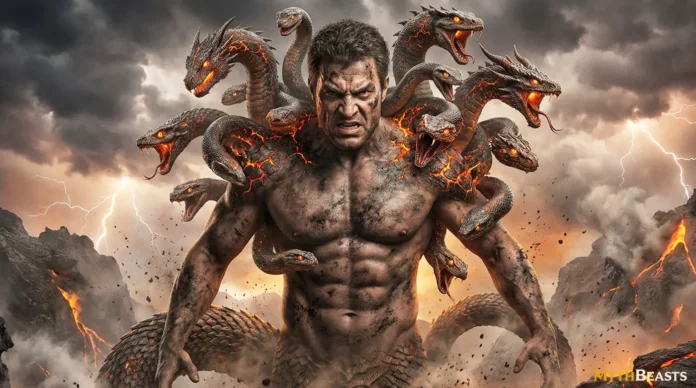
Typhon is a formidable figure in Greek mythology, often depicted as the most fearsome of all creatures. Known as...

  • Skills
Fire BreathingPhysical Strength
  • Weaknesses
Divine Smite

Divine Smite – Overview

Divine Smite is a mythological weakness referring to an inherent vulnerability or limitation placed upon entities by divine forces. It reflects a significant structural constraint within mythological systems. Unlike incidental or accidental failures, it represents a form of imposed limitation that ensures balance and order. This concept reflects the belief that even the most powerful beings are ultimately subject to higher laws or forces. These forces serve to regulate their potential for dominance or disruption within their respective mythological frameworks.

Defining Characteristics of the Weakness

Nature of the Limitation

Divine Smite is primarily a metaphysical restriction, although it may also appear as a moral prohibition or cosmological boundary. It is often depicted as a limitation that prevents entities from exceeding predefined limits of power or influence. This constraint ensures that no single being can attain ultimate supremacy, thereby preserving a balanced and ordered cosmos. The presence of Divine Smite underscores the belief in a higher order or divine will that governs all entities, regardless of their might.

Conditions of Exposure

Divine Smite becomes relevant under specific symbolic, moral, and cosmological conditions within mythological systems. Symbolically, it may activate when beings overstep their ordained roles or violate sacred laws. Morally, it functions when entities engage in hubris or challenge divine authority. Cosmologically, it can arise during events that threaten the balance of creation. Each condition emphasizes the vulnerability of strength when faced with higher cosmic laws.

Mythological Role and Function

Function Within Mythological Systems

Within mythological systems, Divine Smite serves as a regulatory mechanism that enforces balance and prevents absolute dominance. It operates by ensuring that power remains distributed and checked, preventing any entity from disrupting cosmic harmony. This function highlights the mythological principle that no force or being can escape the overarching order. By enabling the downfall of those who overreach, Divine Smite maintains the integrity of the mythological system.

Symbolic and Cultural Meaning

Symbolically, Divine Smite represents the inevitability of moral consequence and the enforcement of sacred law. It epitomizes the cultural belief in the limitation of hubris and the necessity of boundary enforcement. Across cultures, it reinforces the understanding that all beings are ultimately subject to higher powers. This reflects a shared acknowledgment of mortality and the universal laws governing existence, serving as a reminder of the consequences of overreaching one’s ordained place.

Distinction from Related Mythological Weaknesses

Conceptual Boundaries

Divine Smite differs from general mortality, physical injury, divine punishment, taboo violation, and situational defeat in its fundamental nature. It is not merely a consequence of mortal limitation or divine retribution. Instead, it represents an inherent constraint embedded in the cosmic order itself. Unlike situational defeat or divine punishment, it is not a reactive measure but a proactive boundary maintaining systemic balance.

Common Sources of Misclassification

Divine Smite is often misunderstood due to its conceptual complexity and overlap with other vulnerabilities. Scholars may conflate it with divine punishment or situational defeat due to similar thematic elements. Comparative mythology distinguishes these by examining systemic functions rather than narrative outcomes. Divine Smite’s role as a fundamental constraint prevents its misclassification as merely punitive or incidental.

Canonical Beings Defined by Divine Smite

Prometheus

In Greek mythology, Prometheus embodies the concept of Divine Smite. His punishment for stealing fire underscores the limits placed on human ambition and the enforcement of cosmic order. This demonstrates the consequences of transgressing divine boundaries.

Ravana

From Hindu mythology, Ravana’s story illustrates Divine Smite. Despite his immense power, his ultimate defeat by divine intervention highlights his vulnerability to cosmic laws. It shows that no mortal can surpass divine authority.

Loki

In Norse mythology, Loki’s actions and subsequent punishment reflect the concept of Divine Smite. His eventual downfall is seen as a necessary enforcement of balance, reminding that trickery cannot escape divine retribution. His narrative exemplifies the mythological necessity of maintaining order.

Historical Distribution and Cultural Context

Divine Smite appears across multiple cultures and historical periods, such as ancient Greece, Norse lands, and Hindu traditions. These broad patterns suggest a shared cultural environment that emphasizes the regulation of power through imposed limitations. Belief systems integrating Divine Smite often feature hierarchical structures where ultimate authority resides with divine entities. This recurrence across diverse mythologies indicates its fundamental role in articulating cosmological frameworks.

Scholarly Interpretation and Uncertainty

Variation in Interpretation

Understandings of Divine Smite vary between cultures, historical periods, and scholarly frameworks. Some interpretations emphasize symbolic readings, focusing on moral and ethical lessons, while others adopt literal interpretations, prioritizing cosmic laws. This diversity reflects differing cultural priorities and scholarly approaches to mythology.

Limits of the Evidence

The evidence surrounding Divine Smite is subject to gaps and ambiguities, complicating scholarly analysis. No verified sources describe every aspect of its application across all contexts, leading to debates about its precise role. Established interpretations focus on its regulatory function, but uncertainties remain regarding its specific manifestations in different myths.

Mythological Function Across Cultures

Divine Smite recurs across mythological traditions due to its symbolic role in addressing shared human concerns. By defining the limits of power and enforcing cosmological functions, it reflects universal themes of humility and moral responsibility. Recognizing this weakness enhances the comparative interpretation of mythological systems, illuminating how cultures articulate the limits of divine, natural, and human forces. The recurrence of Divine Smite showcases the universal acknowledgment of balance and order, transcending individual cultural narratives.