
back to top

Tidal Vulnerability

Tidal Vulnerability limits beings to specific tidal conditions, exposing them to risk during high or low tides.

Relevant Beasts
Europe
Sea Monster
Kraken - Nord mythology
Vikings

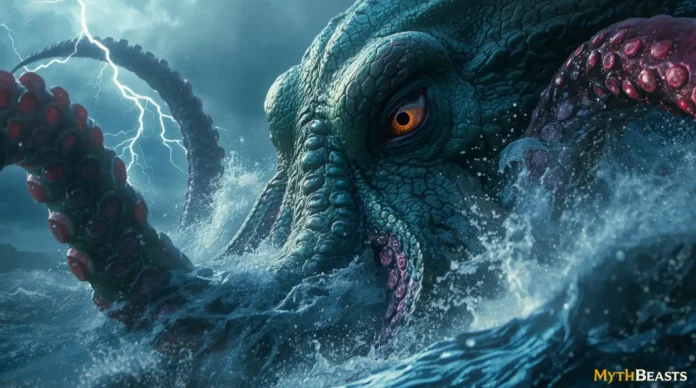
Kraken

The Kraken, a giant sea monster from Norse myth, lurks off Scandinavian coasts. Capable of sinking ships, it epitomizes...
  • Skills
Element ControlPhysical Strength
  • Weaknesses
Dry Land HarmElement Sensitivities
Mississippian
Sacred Animal
Mishipeshu - the water panther - North American folklore
Mississippian

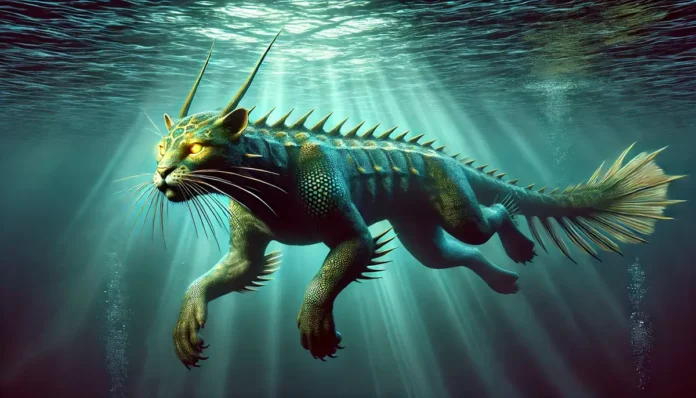
Mishipeshu

Mishipeshu, the legendary water spirit of Anishinaabe folklore, is a powerful and protective creature. Often depicted as a mix...
  • Skills
Enhanced StaminaSwamp Manipulation
  • Weaknesses
Blunt ForceDry Land Harm
Ainu
Sea Monster
Akkorokamui
Ainu

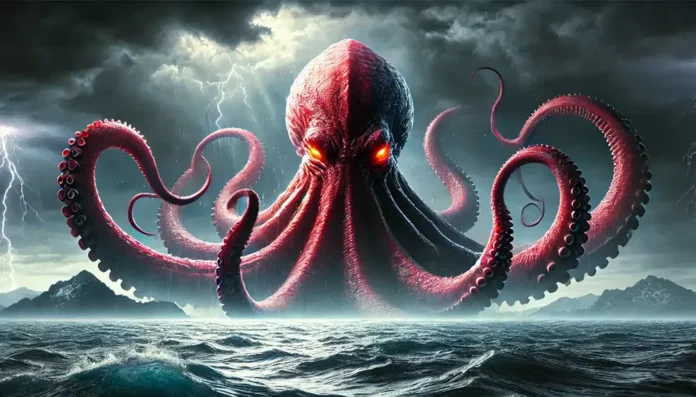
Akkorokamui

Akkorokamui, the colossal octopus deity from Ainu folklore, symbolizes both creation and destruction. Known to heal or harm, it’s...

  • Skills
Healing TouchWater Control
  • Weaknesses
Sun HarmTidal Vulnerability

Tidal Vulnerability – Overview

Tidal Vulnerability represents a mythological weakness defined by its connection to the cycles and forces governing tides. This vulnerability embodies a metaphysical restriction, often linking entities to the ebb and flow of natural forces. Within mythological systems, Tidal Vulnerability signifies a structuring element, imposing limits on beings that might otherwise possess unbounded power. Unlike incidental failures, it underscores the inherent constraints in a world governed by natural laws.

Defining Characteristics of the Weakness

Nature of the Limitation

Tidal Vulnerability primarily manifests as a cosmological boundary, tethering beings to the rhythm of tides. This vulnerability is not merely physical; it represents an existential constraint, reflecting the cyclical nature of mythological cosmologies. The recurring pattern emphasizes the limitation imposed by natural forces, suggesting that even the most powerful entities are subject to the laws governing the universe.

Conditions of Exposure

Tidal Vulnerability becomes significant under specific environmental and cosmological conditions. It typically activates in contexts where symbolism is tied to water and tides, such as shorelines or maritime settings. Mythologically, this vulnerability reflects the idea that certain powers are contingent on alignment with natural cycles, highlighting the importance of environmental context in mythological narratives.

Mythological Role and Function

Function Within Mythological Systems

Tidal Vulnerability serves as a regulatory mechanism within mythological systems, ensuring balance and cosmic order. By imposing limits, it prevents entities from achieving unchecked power, thus preserving equilibrium. The vulnerability functions to enforce a worldview where no being is above the natural laws, maintaining the integrity of the mythological universe and emphasizing the necessity of balance.

Symbolic and Cultural Meaning

Across cultures, Tidal Vulnerability symbolizes inevitability and the moral consequences of overreaching. It represents the sacred law of nature, reinforcing mortality and the limitations of hubris. By embodying these principles, the vulnerability acts as a reminder of humanity’s place within the cosmos, reflecting shared cultural values and moral lessons about the importance of respecting natural limits.

Distinction from Related Mythological Weaknesses

Conceptual Boundaries

Tidal Vulnerability differs from general mortality or physical injury by its cosmological roots. Unlike divine punishment or taboo violations, it is not a consequence of actions but an inherent limitation. Situational defeats are context-specific, whereas Tidal Vulnerability is embedded within the mythological worldview, marking a clear distinction from other vulnerabilities by its systemic nature.

Common Sources of Misclassification

Misunderstandings of Tidal Vulnerability often arise from conflating it with mere environmental dependency. Comparative mythology distinguishes it through its symbolic depth and recurring narrative roles, separating it from superficially similar concepts. Scholars emphasize its unique function within mythological systems, delineating it from vulnerabilities rooted in physical or moral failings.

Canonical Beings Defined by Tidal Vulnerability

Selkies

Selkies, originating from Scottish and Irish folklore, are mythical creatures bound by Tidal Vulnerability. Their transformation hinges on the sea, illustrating their link to tidal forces. Without this constraint, their narrative coherence and dependency on the sea would be lost.

Charybdis

In Greek mythology, Charybdis represents a sea monster embodying Tidal Vulnerability. Her role as a whirlpool reflects the destructive power of tides, linking her identity to maritime cycles. Without this association, her mythological function would be diminished.

Nyai Roro Kidul

Nyai Roro Kidul, a Javanese spirit, is intrinsically tied to tidal cycles. Her influence over the southern seas emphasizes her dependency on marine rhythms. This vulnerability defines her role, underscoring the cultural significance of tides in her mythology.

Historical Distribution and Cultural Context

Tidal Vulnerability appears in diverse cultural contexts, prominently in maritime societies. Historical periods with strong seafaring traditions often feature this weakness, reflecting their environmental and cosmological beliefs. It is prevalent where water and tides play central symbolic and practical roles in cultural narratives.

Scholarly Interpretation and Uncertainty

Variation in Interpretation

Interpretations of Tidal Vulnerability vary across cultures and scholarly frameworks. Some view it as a symbolic representation of nature’s inevitability, while others see it as a literal cosmological constraint. These variations reflect differing cultural and historical priorities.

Limits of the Evidence

The evidence for Tidal Vulnerability is often fragmented or ambiguous. Scholars debate its origins and meanings, though established interpretations focus on its symbolic role. Uncertain aspects highlight the need for cautious analysis and historical context when studying mythological vulnerabilities.

Mythological Function Across Cultures

Tidal Vulnerability recurs due to shared human concerns about natural forces and the limitations they impose. Its symbolic importance emphasizes the need for balance and respect for nature. Recognizing this weakness aids in understanding mythological systems, providing insights into universal themes and cultural expressions.