
back to top

Canine Shifter

Canine Shifter explores mythological creatures known for their shape-changing abilities and symbolic roles in folklore.

Relevant Beasts
Europe
Canine Shifter
Werewolf (Lycan) Medieval Europe - Mythology & Folklore Stories
Slavic

Werewolf

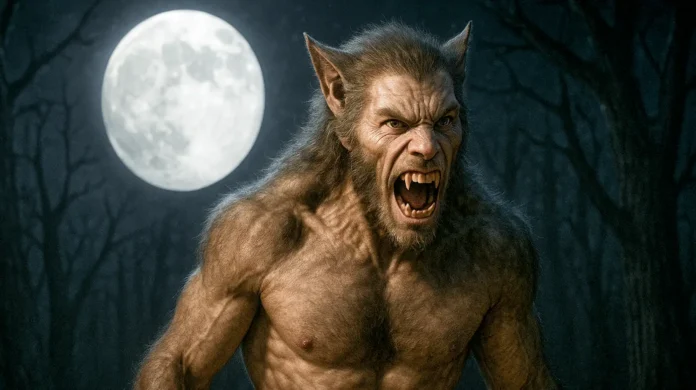
A cursed shape-shifter from Medieval Europe, the Werewolf transforms during the full moon. Feared for uncontrollable rage, it embodies...
  • Skills
Frenzy InducementHealing & Life
  • Weaknesses
BeheadingFull Moon Bound
Europe
Canine Shifter
Lobisón - Spanish Mythology
Galician

Lobisón

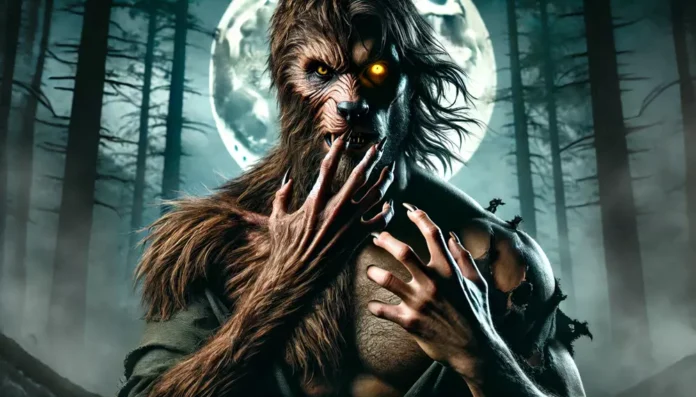
A werewolf-like creature cursed to transform during full moons, the Lobisón is feared in Spanish folklore in the name...

  • Skills
Enhanced AgilityFrenzy Inducement
  • Weaknesses
Holy WaterSacred Relic

Canine Shifter – Overview

The Canine Shifter is a mythological beast type characterized by its ability to transform between canine and humanoid forms. This transformation is central to its identity and function within folklore. Across cultures, Canine Shifters serve varied roles, from protectors and guides to harbingers and tricksters. Their fluidity between forms symbolizes a bridge between the animal world and human society, underscoring themes of duality and transformation. Significantly, the concept of the Canine Shifter is rooted in the intertwining of the natural and supernatural, reflecting humanity’s long-held fascination with transformation and identity.

Defining Characteristics

Physical Form and Morphology

Canine Shifters typically exhibit a blend of canine and humanoid traits, depending on their current form. In their canine form, they often resemble wolves, dogs, or other culturally significant canids. Their humanoid form, however, may retain certain canine features, such as sharp teeth, pointed ears, or an acute sense of smell. These hybrid characteristics underscore their dual nature, allowing for seamless integration into human or animal environments. The physical transformation from one form to another is often depicted as fluid and instantaneous, emphasizing their control over both identities.

Ontological Nature

Ontologically, Canine Shifters are perceived as liminal beings, existing between the realms of the natural and supernatural. They are often described as spiritual or hybrid entities, possessing abilities beyond those of ordinary creatures. Their dual existence enables them to navigate both the material and metaphysical worlds, frequently acting as intermediaries or messengers. This liminality grants them a unique role in mythological narratives, where they challenge boundaries and societal norms. Their presence underscores themes of ambiguity and metamorphosis, reflecting broader cultural concerns about identity and belonging.

Mythological Role and Function

Place in Mythological Systems

Within mythological systems, Canine Shifters often serve as boundary-crossers, mediating between disparate worlds or concepts. They may interact with deities, humans, and other supernatural entities, acting as agents of change or revelation. Their transformative ability allows them to subvert expectations and challenge existing hierarchies, often leading to significant narrative or moral outcomes. In some traditions, they serve as protectors, using their dual nature to defend or guide individuals seeking wisdom or safety. Their presence in myths emphasizes the fluidity of identity and the potential for transformation in the face of adversity.

Perception and Meaning

Cultural perceptions of Canine Shifters vary, yet they are often seen as complex figures embodying both danger and wisdom. Some traditions view them as protectors or guardians due to their association with loyalty and vigilance. Conversely, they may be perceived as deceptive or malevolent, embodying threats to social order or personal safety. This duality in perception highlights the complex interplay between cultural values and mythological interpretation. Canine Shifters symbolize protection, transformation, and the blurring of boundaries, reflecting broader societal and existential themes.

Distinction from Related Beast Types

Conceptual Boundaries

Canine Shifters are distinct from other beast types, such as elemental beings or spirits, due to their focus on physical transformation. Unlike purely spiritual entities, they possess tangible forms and interact directly with the material world. This makes them more corporeal and integrated into human narratives. Their canine aspect differentiates them from humanoid monsters or undead entities, which often lack the same symbolic ties to nature and loyalty. The emphasis on transformation and duality sets them apart from static mythical creatures, highlighting their dynamic role in storytelling and cultural interpretation.

Common Sources of Confusion

Confusion often arises from the Canine Shifter’s similarities to other shape-shifting entities, such as werewolves. However, Canine Shifters are typically not bound by lunar cycles or curses, distinguishing them from werewolves’ traditional depictions. Their broader cultural significance and varied roles in folklore further differentiate them from more specific shape-shifting myths. Scholars often focus on cultural context and mythological function to clarify these distinctions, emphasizing the unique traits and roles that define Canine Shifters. This careful analysis helps prevent conflation with other mythological archetypes.

Canonical Beasts Associated with This Beast Type

Hulijing

Originating from Chinese folklore, the Hulijing is a fox spirit capable of transforming into a beautiful woman or other forms. It exemplifies the Canine Shifter due to its transformative abilities and dual nature.

Amarok

In Inuit mythology, the Amarok is a giant wolf, sometimes depicted as possessing the ability to shift between a wolf and a spirit form. It represents the Canine Shifter through its blend of physical and spiritual aspects.

Wolfwere

The Wolfwere, found in medieval European folklore, is a creature that transforms from a wolf into a human, inverting the more common werewolf narrative. Its ability to shift forms aligns with the Canine Shifter type.

Historical Distribution and Cultural Context

Canine Shifters appear across various cultures and historical contexts, from ancient China to medieval Europe. They often manifest in regions where wolves or dogs hold cultural significance, influencing their portrayal and function. The geographic distribution of these myths reflects the adaptability of the Canine Shifter archetype, allowing it to resonate across diverse cultural landscapes. Historical periods marked by transformation or upheaval frequently feature Canine Shifters, as they symbolize change and adaptability. This widespread presence underscores their enduring role in human storytelling and cultural expression.

Scholarly Interpretation and Uncertainty

Variation in Definitions

Scholarly interpretations of Canine Shifters vary, with definitions influenced by cultural, historical, and academic perspectives. Some scholars focus on their role as mediators, while others emphasize their cultural symbolism. Differences in interpretation often arise from the diverse contexts in which these creatures appear, leading to multiple valid but distinct understandings. These variations highlight the complexity of mythological classification and the need for careful contextual analysis. Recognizing these differences allows for a more nuanced appreciation of the Canine Shifter’s role in myth and folklore.

Limits of Available Evidence

The study of Canine Shifters often encounters limited evidence, as many myths and legends are orally transmitted. This results in gaps or ambiguities in the historical record, complicating efforts to construct a comprehensive understanding. Scholars caution against speculative interpretations, emphasizing the importance of verifiable sources. Where evidence is lacking, researchers focus on established interpretations and cultural patterns, acknowledging uncertainties. This careful approach ensures that analyses remain grounded in historical and cultural realities, despite the inherent challenges of studying mythological entities.

Mythological Role Across Cultures

Canine Shifters recur across cultures due to their symbolic representation of transformation and duality. These themes address universal human concerns, such as identity, change, and the relationship between humanity and nature. By embodying both human and animal traits, Canine Shifters facilitate the exploration of boundaries and the potential for metamorphosis. Their recurring presence in mythological systems highlights shared cultural functions and the enduring power of transformation narratives. Understanding this role enriches comparative mythology, offering insights into the collective human psyche and its symbolic needs.