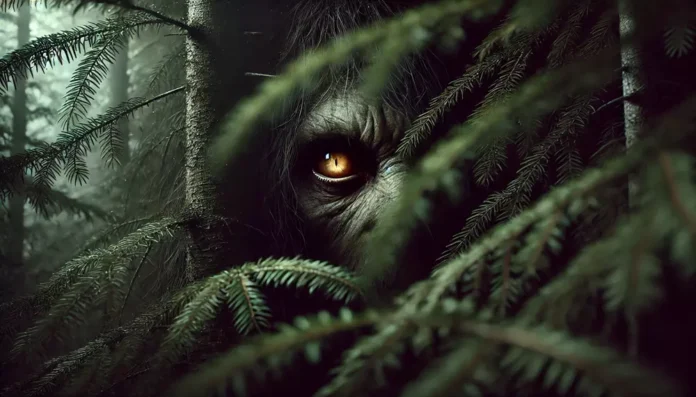
Crypt Shade – Overview
The Crypt Shade represents a mythological beast type characterized by its elusive and shadowy nature. Typically, these beings are understood as dark apparitions that inhabit the fringes of the known world. They serve as intermediaries between the living and the realm of the dead, often embodying fear, mystery, and the unknown. Across various mythological systems, they are seen as entities that traverse the boundaries of reality, often associated with death, decay, or the hidden mysteries beneath the earth.Defining Characteristics
Physical Form and Morphology
Crypt Shades are generally depicted as shadowy figures lacking precise form, often appearing as indistinct silhouettes or ghostly apparitions. Their morphology can be nebulous, with corporal outlines that shift and waver, making them difficult to perceive or capture. Unlike corporeal beings, they lack solid anatomy, existing in a quasi-ethereal state that mirrors their ambiguous place between worlds.Ontological Nature
Ontologically, Crypt Shades are considered liminal beings existing at the threshold between life and death. Unlike spirits that occupy a clearly defined role within the afterlife, Crypt Shades inhabit the peripheries of existence, neither fully alive nor entirely deceased. Their nature is often tied to the metaphysical order, embodying themes of transition, impermanence, and the unseen vestiges of the world.Mythological Role and Function
Place in Mythological Systems
Within mythological systems, Crypt Shades often fulfill the role of boundary keepers or guides between the mortal and the ethereal realms. They may act as messengers for deities associated with the underworld or as harbingers of death. Their presence signifies a breach or blending of worlds, marking places or moments where the veil between life and death is thinnest.Perception and Meaning
Cultures typically perceive Crypt Shades as ominous entities that evoke fear and awe. They are seen as symbolic of death's inevitability and the mysteries that lie beyond human comprehension. As representations of the unknown, they embody cultural anxieties about life after death and the limits of human knowledge.Distinction from Related Beast Types
Conceptual Boundaries
Crypt Shades differ from elemental beings and spirits by their lack of attachment to natural elements or specific afterlives. Unlike undead entities, they do not possess a corporeal form. They are neither humanoid monsters nor animalistic creatures, existing instead as shades of forgotten or hidden ancestries.Common Sources of Confusion
This beast type is often conflated with ghosts or spirits due to its incorporeal nature. However, Crypt Shades are unique in their connection to decay and the cryptic aspects of existence. Distinguishing them requires understanding their specific role as liminal entities. Scholars clarify these nuances by emphasizing their symbolic function and cultural representations, which focus on transitional states and hidden knowledge.Canonical Beasts Associated with This Beast Type
The Lurking Shadow
Originating from Norse mythology, the Lurking Shadow is a prime example of a Crypt Shade. It prowls the boundaries of burial sites, thought to guard the secrets of those interred below. Its association with the shadows of the deceased highlights its cryptic nature.The Black Wraith
In Celtic tales, the Black Wraith appears as a harbinger of death, warning of impending doom. Known for its spectral form that shifts with the moon's phases, it exemplifies the ephemeral quality of Crypt Shades.The Grave Sentinel
The Grave Sentinel, found in Slavic folklore, protects sacred sites where the living dare not tread. As a shadowy figure, it ensures that the balance between the worlds remains undisturbed, embodying the protective aspect of Crypt Shades.Historical Distribution and Cultural Context
Crypt Shades appear across various cultures, notably in regions with rich traditions of ancestor worship and necromancy. From the Norse sagas to Slavic folklore, they serve as reminders of mortality and the unseen worlds. These beings re-emerge in periods where cultural emphasis on death and the afterlife intensifies, reflecting societal concerns about the unknown.Scholarly Interpretation and Uncertainty
Variation in Definitions
Interpretations of Crypt Shades vary widely, with some cultures viewing them as purely malevolent and others as complex guardians of sacred mysteries. Academic frameworks often struggle to pin down their exact nature due to their amorphous qualities and diverse representations across traditions.Limits of Available Evidence
No verified sources describe Crypt Shades uniformly across all cultures, leading to debates regarding their exact role and significance. Their representation is often fragmented, appearing only in indirect references or accounts that lack comprehensive documentation. Scholars must rely on comparative analysis and symbolic interpretation to piece together their mythological identity.Mythological Role Across Cultures
The recurrence of Crypt Shades in mythologies worldwide suggests shared human concerns about death, secrecy, and the liminal spaces of existence. These beings serve to address existential fears and provide symbolic narratives for understanding life's transient nature. Comparative studies highlight their role in exploring the boundaries of mortality and spiritual continuity.