Cyclopean Form – Overview
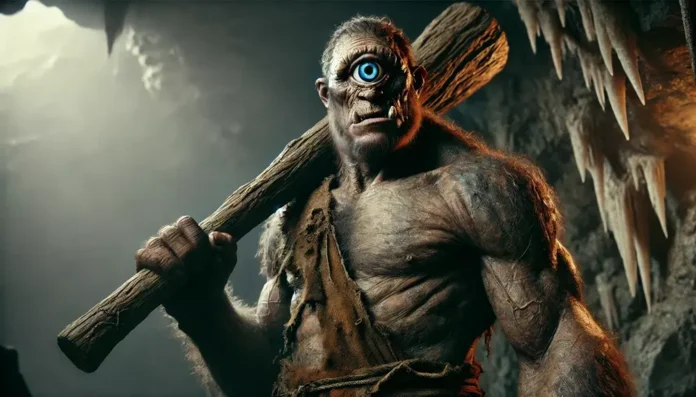
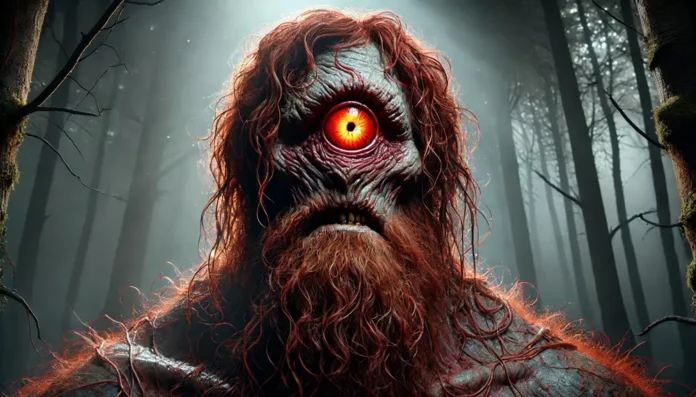
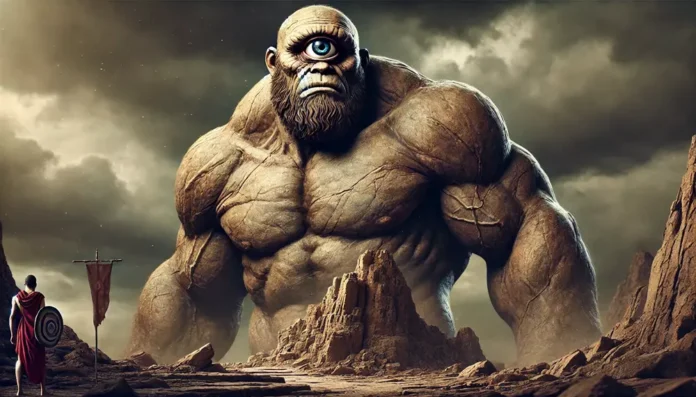
The Cyclopean Form refers to a mythological category defined by entities possessing a singular, central eye. These beings often manifest immense strength and imposing stature. This physical characteristic is universally recognized across various mythologies, imparting them with distinct roles.
Entities with the Cyclopean Form often embody the archetype of the giant or monstrous figure, acting as both adversaries and allies to gods and humans alike. Their unique morphology typically symbolizes primal force and untamed natural power.
The form’s centrality in various mythologies underscores its thematic richness, often representing a bridge between human and divine realms. These beings are frequently utilized within narrative frameworks to explore themes of sight, knowledge, and perception.
Defining Characteristics
Physical Form and Morphology
Cyclopean entities are typified by their enormous size and singular eye, often positioned at the center of their forehead. This morphological trait is consistent across cultural depictions, signifying their distinctive vision and insight.
Their bodies are generally imagined as robust and capable of great feats of strength, often exceeding human limitations. This formidable appearance underscores their roles as formidable forces of nature and agents of divine will.
Though their anatomy may vary slightly by region, their monoscopic vision remains a defining trait. This feature frequently correlates with their unique perception of the world, often depicted as both a gift and a curse.
Ontological Nature
Beings with a Cyclopean Form are typically conceived as liminal or hybrid entities, existing between the realms of the divine and mortal. Their existence often reflects the interplay between chaos and order.
In mythological contexts, they are sometimes depicted as primordial creatures, embodying the raw elemental forces of creation. Their presence within cosmological narratives often symbolizes the untamed, primordial aspects of the universe.
Their supernatural nature underscores their role as intermediaries, often possessing knowledge or abilities that transcend human understanding. This ontological ambiguity makes them versatile figures within mythological narratives.
Mythological Role and Function
Place in Mythological Systems
Within mythological systems, Cyclopean beings often serve as catalysts for transformation or conflict. Their interactions with gods and heroes frequently drive narrative developments, illustrating broader cosmological themes.
These beings may function as guardians of sacred spaces or treasures, often embodying the boundary between the known and the unknown. Their presence in myths highlights the tension between civilization and the primal world.
In some traditions, Cyclopes are depicted as craftsmen, forging powerful artifacts for gods. This role emphasizes their connection to creation and craftsmanship, as well as their ability to shape the destiny of mortals and deities alike.
Perception and Meaning
Cultures often perceive Cyclopean entities as both protectors and antagonists, symbolizing the duality of their nature. Their singular eye represents insight and foresight, yet also implies a limited perspective.
Their roles as punishers or agents of vengeance underscore their symbolic association with justice and retribution. This duality often reflects broader cultural concerns regarding the balance between order and chaos.
As mediators between realms, Cyclopes can embody transition and change. Their presence within myths often signifies a need for transformation, challenging heroes to overcome obstacles and achieve growth.
Distinction from Related Beast Types
Conceptual Boundaries
Unlike elemental beings or spirits, Cyclopean entities are primarily defined by their distinctive morphology rather than their elemental association. This physical trait sets them apart within mythological taxonomies.
While humanoid monsters may share some characteristics with Cyclopes, the singular eye remains a crucial distinguishing feature. This morphological marker underscores their unique nature and thematic significance.
Unlike animal-based creatures, Cyclopean forms lack symbolic animal characteristics. Their depiction focuses on their human-like, yet exaggerated anatomy, emphasizing their liminal status between humanity and the divine.
Common Sources of Confusion
The Cyclopean Form is sometimes conflated with giants or ogres due to their shared size and strength. However, the singular eye remains a defining feature that distinguishes Cyclopes within mythological contexts.
Comparative mythology often clarifies these distinctions by examining cultural narratives and iconography. Scholars focus on morphological differences and thematic roles to delineate these categories.
Debates among scholars may arise from similar narrative roles shared by Cyclopes and other giants. Contextual analysis of their symbolic meanings helps clarify the unique significance of Cyclopean entities.
Canonical Beasts Associated with This Beast Type
Polyphemus
Polyphemus, from Greek mythology, is a well-known Cyclops. He illustrates the archetype within Homer’s “Odyssey,” where his role as an adversary highlights his singular eye and immense strength.
Arges
Arges, one of the Cyclopes in Greek tradition, is known for forging Zeus’s thunderbolts. His association with craftsmanship underscores the Cyclopean link to creation and divine technology.
Brontes
Brontes, another Cyclops from Greek myth, is similarly noted for his craftsmanship. His role as a divine blacksmith highlights the Cyclopean function of shaping and altering the divine and mortal realms.
Historical Distribution and Cultural Context
The Cyclopean Form appears primarily within Indo-European mythologies, notably Greek and Roman. These beings are often embedded within epic poetry and myth, reflecting ancient societies’ fascination with giants.
In the Mediterranean, Cyclopean myths frequently align with themes of power, creation, and transformation. Their roles within these traditions highlight shifts in cultural narratives and technological advancements.
Although less prevalent outside Indo-European cultures, similar entities exist in other mythologies, reflecting universal themes of sight and perception. These parallels suggest shared human concerns across disparate cultures.
Scholarly Interpretation and Uncertainty
Variation in Definitions
Interpretations of Cyclopean entities vary widely among scholars. Some emphasize their role as craftsmen, while others focus on their narrative function as obstacles or exemplars of primal power.
Their definitions may shift based on cultural emphasis, reflecting differing priorities in mythological narratives. This variability underscores the complex nature of mythological classification and interpretation.
Comparative studies often reveal divergent portrayals across time periods, highlighting cultural changes in mythic storytelling. These differences inform our understanding of how Cyclopean entities function within broader mythological frameworks.
Limits of Available Evidence
There are gaps in the historical record regarding Cyclopean myths, with limited texts and artifacts providing incomplete pictures. This scarcity often leads to diverse interpretations and scholarly debate.
While some sources offer detailed descriptions, others remain vague, complicating scholarly efforts to establish a unified definition. This lack of consensus highlights the interpretive challenges within mythological studies.
Despite these uncertainties, Cyclopean myths continue to captivate scholars and audiences alike, offering insights into ancient worldviews. Ongoing research seeks to clarify the complexities of these enigmatic beings.
Mythological Role Across Cultures
The recurrence of Cyclopean entities across cultures reflects universal human concerns, such as the nature of sight, perception, and knowledge. These beings often symbolize the limitations and powers of vision.
Their role as giants and craftsmen addresses themes of creation and transformation, resonating with societies’ evolving technological and artistic capabilities. This thematic richness ensures their continued relevance in mythological studies.
By examining Cyclopean forms, scholars gain insights into cross-cultural mythological systems, exploring how these entities navigate the boundaries between the divine and mortal realms. Their enduring presence underscores the complexity of mythic narratives.