
back to top

Death Messenger

Death Messenger creatures often symbolize omens or transitions, marking shifts between life and afterlife in various mythologies.

Relevant Beasts
Chile
Death Messenger
Chonchon - Chilian folklore
Chile

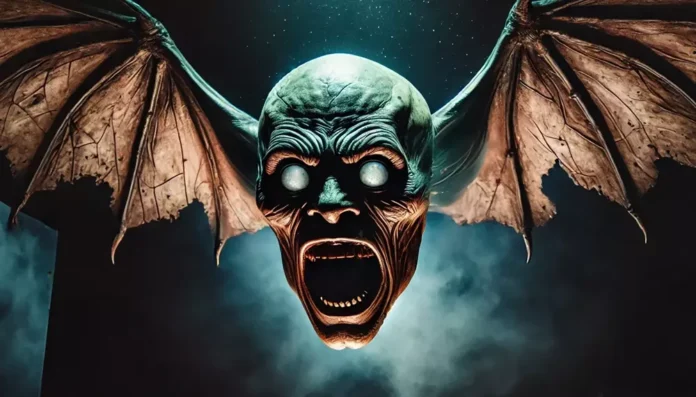
Chonchon

A Chilean creature with human ears that acts as wings, the Chonchon is known to steal life force.
  • Skills
Life DrainSilent Flight
  • Weaknesses
Salt BurnSun Harm
Greece
Death Messenger
Catoblepas - MythBeasts.com
Greece

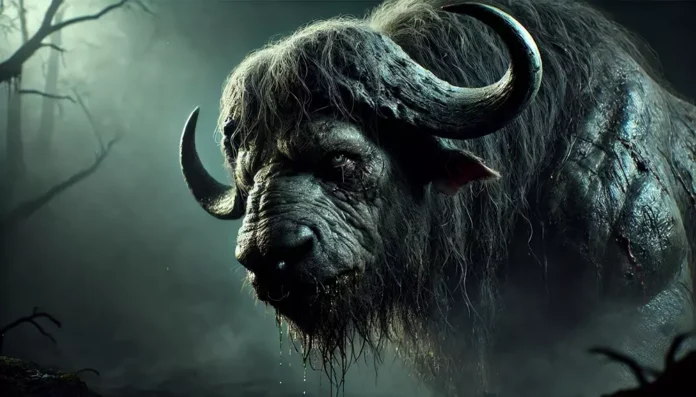
Catoblepas

Catoblepas is an African beast that can kill with a single gaze, having poisonous breath and a sluggish body.
  • Skills
Toxin Generation
  • Weaknesses
Garlic SensitiveSilver Weak
Europe
Death Messenger
Dullahan - Irish folklore
Ireland

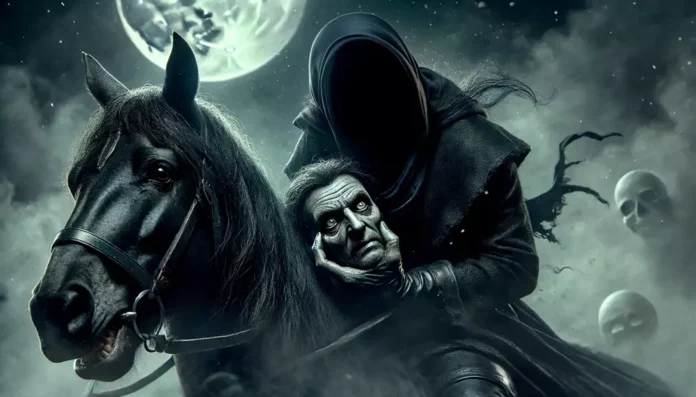
Dullahan

The Dullahan is a headless rider from Irish folklore, known for foretelling death and appearing at night.
  • Skills
Death InducementFear Inducement
  • Weaknesses
Holy WaterSilver Weak
Hebrews
Death Messenger
Samael - the angle of death
Hebrews

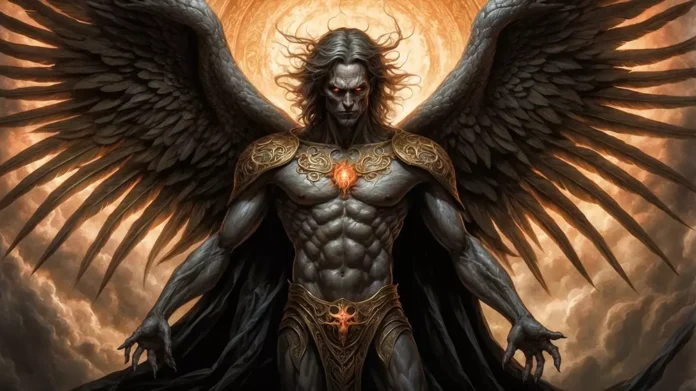
Samael

Samael, the Angel of Death, is a figure of divine judgment and moral complexity in Jewish lore, known for...
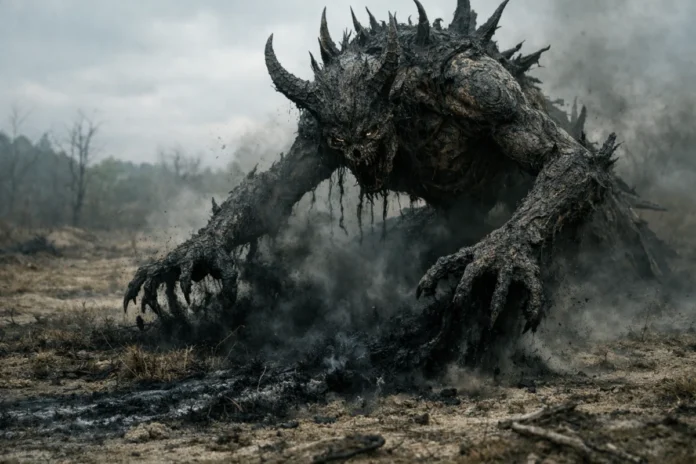
  • Skills
Death & NecromancyDeath Touch
  • Weaknesses
Divine LightDivine Restrictions

Death Messenger – an Overview

Death Messengers are entities in mythological systems tasked with heralding or facilitating the transition between life and death. They are significant in various cultures, acting as crucial agents in the cosmological order. Often viewed as intermediaries, these beings embody the inevitable passage to the afterlife. Their presence in myths underscores the cultural need to understand and personify the concept of mortality. By fulfilling specific roles, Death Messengers contribute to the broader narrative of life, death, and rebirth within their respective traditions.

Defining Characteristics

Physical Form and Morphology

Death Messengers are often depicted with forms that reflect their otherworldly roles. Common features include wings, skeletal appearances, or spectral forms, symbolizing their connection to both the physical and spiritual realms. In some cultures, they take on animalistic forms, like birds or canines, representing their ability to traverse different planes of existence. These morphological traits emphasize their intermediary status between life and death, allowing them to navigate the boundary that separates the living from the dead.

Ontological Nature

Beings classified as Death Messengers typically possess a supernatural or spiritual ontology. Unlike purely natural creatures, they inhabit a liminal space, often seen as emissaries from the divine or the netherworld. Their existence is not bound by the laws of the material world, allowing them to operate beyond ordinary constraints. This ontological nature underscores their role as conduits between worlds, bridging the gap between mortal and immortal realms. Such beings often embody the inevitable and universal force of death.

Mythological Role and Function

Place in Mythological Systems

In mythological systems, Death Messengers serve as pivotal figures within the cosmic order, facilitating the soul’s transition to the afterlife. They embody the inevitability of death and the continuity of existence beyond life. Positioned within narratives that emphasize the cycle of life, death, and rebirth, they help to weave the broader tapestry of cosmological beliefs. Their roles often include guiding souls, presiding over funerary rites, or acting as harbingers of mortality, ensuring the balance between worlds is maintained.

Perception and Meaning

Death Messengers are perceived diversely across cultures, often embodying both fear and reverence. In some traditions, they are seen as ominous figures, signifying impending death or misfortune. Alternatively, they may be regarded as protective guides, easing the soul’s journey. Such duality in perception highlights their complex symbolism, reflecting cultural attitudes toward mortality and the unknown. By embodying the inevitability of death, these beings remind societies of life’s transient nature, prompting reflection on existential themes.

Distinction from Related Beast Types

Classification Boundaries

Death Messengers differ from elemental, spirit, or undead entities through their specific association with mortality and afterlife transitions. Unlike elemental beings tied to nature, they focus on death’s process and symbolism. Their role transcends typical spirit classifications, uniquely bridging the mortal and divine realms. These distinguishing features solidify their unique classification, emphasizing their integral function within cultural mythologies. Their consistent association with death marks them clearly within mythological taxonomy, setting them apart from other supernatural categories.

Common Sources of Confusion

Confusion may arise between Death Messengers and other spectral or divine entities due to overlapping characteristics. For instance, spirits may also guide souls, but not with the explicit purpose linked to death’s inevitability. Scholars distinguish Death Messengers by their consistent role as harbingers and guides in the death process. This classification focuses on their unique narrative positions, separating them from other non-corporeal beings whose roles might overlap but lack this explicit emphasis on mortality.

Canonical Beasts Associated with This Beast Type

Ankou

The Ankou, from Breton folklore, exemplifies a Death Messenger. Often depicted as a skeletal figure with a cart, it heralds death’s arrival. Its role as a harbinger underscores its classification as a Death Messenger.

Banshee

The Banshee from Irish mythology is a classic Death Messenger. Known for her mournful wail, she forewarns families of impending death, highlighting her role as a death herald within Celtic traditions.

Shinigami

Originating from Japanese folklore, the Shinigami embodies the Death Messenger archetype. As a spirit guiding souls to the afterlife, it mirrors the essential role of facilitating transition found across different cultures.

Historical Distribution and Cultural Context

Death Messengers appear in diverse cultures, from Celtic to Japanese, reflecting a widespread need to conceptualize death’s inevitability. Their presence in both ancient and modern narratives underscores the universal human preoccupation with mortality and the afterlife. While roles and depictions may vary, the core function remains consistent. This ongoing presence suggests a shared cultural imperative to personify and understand death across temporal and geographical contexts. Their enduring relevance highlights the importance of death as a motif in mythological systems.

Scholarly Interpretation and Uncertainty

Variation in Definitions

Definitions of Death Messengers differ across academic disciplines, reflecting cultural and historical contexts. Some scholars emphasize their role as guides, while others focus on their symbolic representation of mortality. The variability in interpretation highlights the complex nature of these beings. As such, definitions often need to account for regional mythological specifics and broader thematic elements. This diversity suggests the fluidity of mythological classification systems and the evolving understanding of death’s role in cultural narratives.

Limits of Available Evidence

No verified sources describe all aspects of each Death Messenger’s role, leading to scholarly debates about their exact functions. These gaps in evidence reflect broader challenges in mythological studies, where oral traditions and fragmented texts limit comprehensive analysis. As such, interpretations often rely on reconstruction and cross-cultural comparisons. The lack of complete evidence necessitates caution in drawing definitive conclusions, underscoring the importance of acknowledging uncertainty in mythological scholarship.

Taxonomic Relevance

As a classification category, Death Messengers provide a framework for understanding cross-cultural representations of mortality. Their inclusion in mythological taxonomy helps organize complex systems of belief, reflecting common motifs and functions. By examining these beings, scholars gain insight into how cultures personify death, offering comparative analysis across traditions. This classification highlights shared human concerns with mortality, facilitating broader understanding of mythological narratives. In doing so, it aids in the systematic study of diverse cultural mythologies.