Dragon – Overview
Dragons are mythological creatures depicted in various cultural narratives worldwide, known for their immense power, wisdom, and elemental associations. Typically, dragons possess reptilian features and are associated with magical or supernatural aspects in their mythologies. Their roles often include guardianship or chaos-bringers, depending on the cultural context and narrative purpose. Dragons commonly symbolize strength, mystery, and sometimes chaos, reflecting human struggle against or alignment with nature’s forces. Their depiction varies significantly across traditions, but core themes include their commanding presence and their embodiment of both creation and destruction.
Defining Characteristics
Physical Form and Morphology
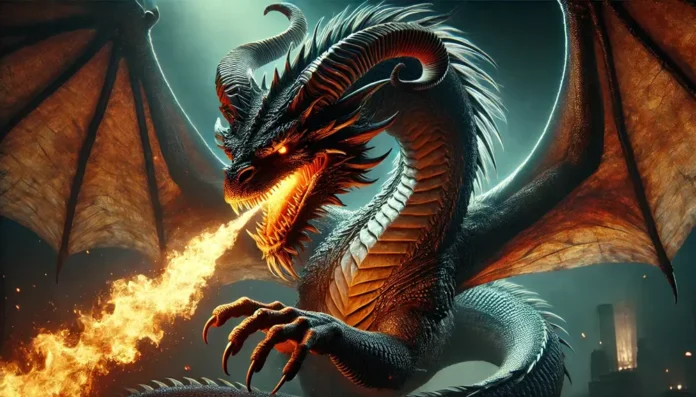
Dragons are generally characterized by serpentine or lizard-like bodies, often with large wings, claws, and a formidable presence. They are frequently portrayed with scales, suggesting a connection to reptiles. Variations in size, color, and the number of limbs exist, but the most enduring image is that of a large, winged serpent or a four-legged creature with wings. This morphology emphasizes their ambivalent nature, simultaneously terrestrial and celestial, grounded yet capable of flight, representing boundaries between different realms or states of being.
Ontological Nature
Mythologically, dragons are often perceived as supernatural or liminal beings that transcend ordinary existence. They are seen as both protectors and destroyers, embodying dualities such as good and evil, life and death, order and chaos. In some cultures, dragons are spiritual or cosmic entities that hold balance within the universe, suggesting their role as intermediaries between the physical and metaphysical worlds. This duality is integral to their mythological identity, showcasing their complex relationship with the human and divine spheres.
Mythological Role and Function
Place in Mythological Systems
Dragons occupy significant positions within mythological systems, often serving as guardians of sacred spaces, treasures, or cosmic order. They interact with deities and heroes, often testing their valor, wisdom, or righteousness. Dragons may also embody natural forces, representing the unpredictability of nature or the inevitability of change. Their role can vary from adversaries of gods to revered beings that offer wisdom and protection. These interactions highlight their multifaceted nature and integral role within mythological narratives and cosmologies.
Perception and Meaning
Culturally, dragons are perceived in diverse ways, from terrifying monsters to auspicious symbols of power and fortune. In Eastern traditions, dragons are often seen as benevolent and wise, embodying strength, prosperity, and authority. Conversely, in Western contexts, they frequently represent chaos or evil, often as adversaries to be vanquished. The symbolic interpretations of dragons reflect broader cultural values and historical contexts, illustrating how mythologies shape and are shaped by their societies.
Distinction from Related Beast Types
Conceptual Boundaries
Dragons are distinct from other mythical creatures like elementals or spirits due to their complex symbolism and dual nature. While elementals are typically limited to one natural force, dragons often represent a synthesis of multiple elements. Their physical embodiment sets them apart from purely spiritual entities, and their narrative roles often involve active engagement with human affairs, unlike more passive mythological elements. These distinctions underline their unique position within mythological frameworks.
Common Sources of Confusion
Dragons are occasionally conflated with serpents or sea monsters, leading to misconceptions about their nature. This confusion arises from similar morphological traits, such as serpentine bodies and aquatic associations. Scholars differentiate dragons by emphasizing their multifaceted roles, elemental connections, and symbolic resonance, which extend beyond mere physical characteristics. Understanding these nuances helps clarify their distinct place in mythological taxonomy.
Canonical Beasts Associated with This Beast Type
Yong (Chinese Dragon)
The Yong, or Chinese dragon, is a symbol of imperial power, wisdom, and prosperity. Often depicted as a serpentine creature without wings, it is revered as a benevolent force, embodying the harmony of nature.
Fafnir (Norse Dragon)
Fafnir, from Norse mythology, exemplifies the dragon as a guardian of treasure corrupted by greed. Transformed into a dragon through avarice, Fafnir represents the destructive potential of unchecked desires and chaos.
Ryū (Japanese Dragon)
The Ryū, a Japanese dragon, is often depicted as a water deity, emphasizing its role as a bringer of rain and fertility. This dragon symbolizes nature’s nurturing aspects and the sustenance of life through water.
Historical Distribution and Cultural Context
Dragons appear in mythologies across the globe, from ancient Mesopotamia and Greco-Roman traditions to East Asian and Indigenous American cultures. Their presence spans millennia, reflecting their enduring symbolic relevance. In Europe, dragons often symbolize chaos and conflict, while in Asia, they are revered protectors. This distribution highlights dragons’ adaptability to different cultural narratives and their universal appeal, rooted in shared human experiences with nature and the unknown.
Scholarly Interpretation and Uncertainty
Variation in Definitions
Definitions of dragons vary widely, influenced by cultural, historical, and scholarly perspectives. While some focus on their physical attributes or narrative roles, others emphasize symbolic or cosmological significance. These variations reflect diverse interpretative frameworks, illustrating the complexity of defining such a multifaceted mythological category. Understanding these differences is crucial for comparative mythological studies, offering insights into how dragons function within various cultural narratives.
Limits of Available Evidence
Despite numerous accounts, evidence regarding dragons’ mythological roles is often fragmented or ambiguous. Historical records may lack consistency, and oral traditions complicate comprehensive analysis. Scholars must rely on interpreted iconography, literary sources, and comparative mythology to construct coherent narratives. These limitations underscore the need for cautious interpretation and acknowledgment of dragons’ varied roles across cultures, while avoiding speculative reconstruction.
Mythological Role Across Cultures
Dragons consistently address themes of power, transformation, and duality within mythologies. Their repeated emergence reflects universal human concerns, such as the struggle with natural forces, moral boundaries, and societal order. By embodying these elements, dragons serve as a focus for understanding cultural values, fears, and aspirations. Recognizing their roles across cultures enhances our appreciation of mythological systems, highlighting shared and divergent narratives within human history and imagination.