back to top

Ethereal Being

Ethereal Being defines creatures with intangible forms, often symbolizing light, spirit, or transcendence in mythological narratives.

Relevant Beasts
American West
Ethereal Being
Californian Dark watchers
American West

Dark Watchers

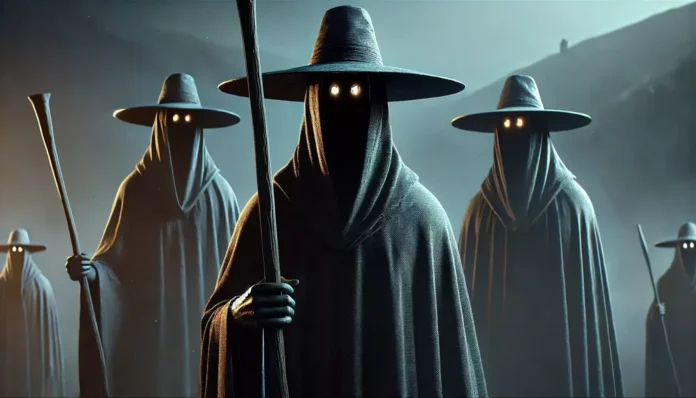
The Dark Watchers are mysterious, tall, shadowy figures from California folklore, often seen observing travelers from the Santa Lucia...
  • Skills
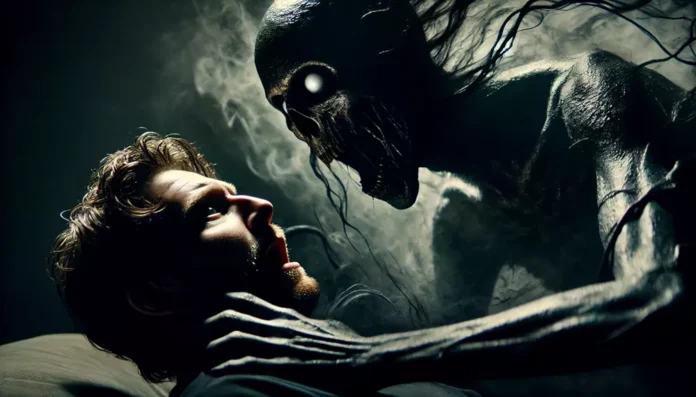
Hallucination InducementInvisibility
  • Weaknesses
Fog BlindnessSlow Movement

Ethereal Being – Overview

Ethereal Beings are mythological entities characterized by their otherworldly presence and tenuous connection to the physical realm. They often embody abstract concepts, existing at the intersection of the material and metaphysical domains. Across various cultures, they serve as intermediaries between the divine and mortal worlds, influencing events and imparting knowledge or warnings. Ethereal Beings are central to mythological systems, reflecting human attempts to understand phenomena beyond ordinary perception and experience.

Defining Characteristics

Physical Form and Morphology

Ethereal Beings typically possess fluid, often translucent forms that defy precise categorization. Their appearances may change depending on the observer’s perception or the cultural context. Common features include luminous bodies, shifting outlines, and a lack of clearly defined mass. These traits emphasize their connection to realms beyond the physical, reinforcing their status as intermediaries and messengers of the divine or supernatural.

Ontological Nature

Mythologically, Ethereal Beings are seen as liminal entities, occupying spaces between reality and the abstract. They often represent spiritual or cosmic forces, transcending natural laws. They can serve as embodiments of universal concepts like fate, time, or destiny. Their existence highlights tensions between the physical world and the broader, often mysterious, universe. This duality allows them to bridge gaps between mortal comprehension and divine intent.

Mythological Role and Function

Place in Mythological Systems

Ethereal Beings frequently feature in cosmologies as participants in creation myths, enforcers of cosmic order, or agents of divine will. They interact with gods, humans, and nature, influencing fate and consequence. Often, they guard boundaries between realms, ensuring stability within mythological frameworks. Their actions and presence reinforce the interconnectedness of various cosmological layers and the balance maintained among them.

Perception and Meaning

Cultures perceive Ethereal Beings diversely, as protectors, omens, or embodiments of universal forces. They can be harbingers of change or stability, depending on context. Symbolically, they represent the unknown and the mysterious, challenging perceptions of reality. Their appearances can signify transitions, transformations, or revelations, reflecting cultural attitudes toward the metaphysical and the divine.

Distinction from Related Beast Types

Conceptual Boundaries

Ethereal Beings differ from elemental entities, which are more associated with natural phenomena. Unlike spirits or ghosts, they do not represent individual souls. They are not bound by mortal concerns. They also diverge from humanoid monsters or animal-based creatures, as their existence transcends physical limitations. Their essence is fundamentally tied to abstract, cosmic, or divine principles, rather than tangible characteristics.

Common Sources of Confusion

Confusion arises when Ethereal Beings are conflated with spirits or deities due to their incorporeal nature. Scholarly analysis differentiates them through their symbolic roles and cosmic functions. Unlike spirits, they lack personal histories. They are less anthropomorphic than deities. Their existence is primarily conceptual, providing a broader metaphysical framework beyond individual narratives or personal attributes.

Canonical Beasts Associated with This Beast Type

Djinn

Djinn originate from pre-Islamic Arabian mythology. They are renowned for their transformative abilities and ethereal nature, existing between the seen and unseen worlds. They exemplify Ethereal Beings through their complex roles as both protectors and tricksters.

Yōkai

Yōkai, from Japanese folklore, are diverse entities ranging from benevolent to malevolent. Their ethereal qualities and fluid forms place them among Ethereal Beings. They reflect cultural beliefs about the supernatural and the boundaries between worlds.

Aes sídhe

The Aes sídhe are seen in Irish mythology as fairies or otherworldly inhabitants. They are ethereal in their ability to influence human affairs from their hidden realms. Their presence and actions illustrate the intersection of mortal and divine influences.

Historical Distribution and Cultural Context

Ethereal Beings appear across diverse cultures, from ancient Mesopotamian and Egyptian cosmologies to Celtic and East Asian traditions. They often emerge in societies with rich oral traditions that explore connections between the seen and unseen. Historical contexts include periods of religious upheaval or social change, where metaphysical frameworks offer explanations for complex phenomena.

Scholarly Interpretation and Uncertainty

Variation in Definitions

Definitions of Ethereal Beings vary, with some cultures emphasizing their spiritual roles while others focus on cosmic functions. Academic perspectives differ, with some viewing them as metaphorical constructs and others as essential components of mythological systems. This variation reflects differing cultural priorities and epistemologies.

Limits of Available Evidence

The nature of Ethereal Beings often results in limited historical evidence. Much of what is known comes from oral traditions or fragmented texts. Scholarly uncertainty persists, as interpretations must be cautious not to conflate distinct cultural beliefs. No verified sources describe specific rituals universally associated with these beings.

Mythological Role Across Cultures

Ethereal Beings address shared human concerns, such as understanding the universe and our place within it. They symbolize the unknown and help bridge the gap between mundane experiences and metaphysical realities. Their recurrence across traditions underscores universal quests for meaning, continuity, and connection within mythological systems. Recognizing their cross-cultural presence aids comparative interpretation, revealing commonalities and differences in human spiritual and philosophical inquiries.