
back to top

Spider

Spider creatures are mythological entities known for weaving webs and embodying themes of cunning and creativity across various cultures.

Relevant Beasts
Asia
Human-Animal Shifter
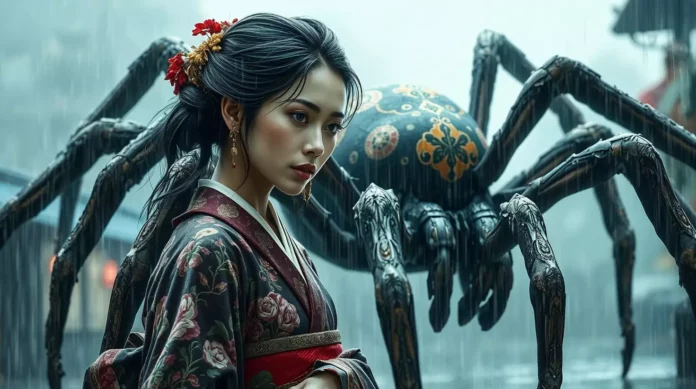
Jorogumo - Japanese Folklore
Japan

Jorogumo

The Jorogumo is a captivating yet terrifying creature from Japanese folklore. Known for her ability to shapeshift into a...
  • Skills
HypnosisMental Powers
  • Weaknesses
Fire VulnerablePiercing Kill
Africa
Spider
Ghana

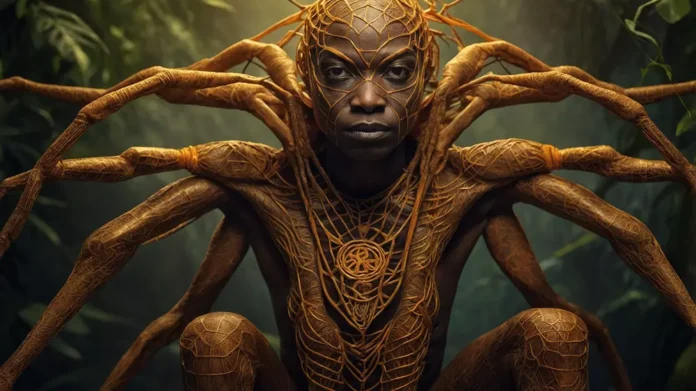
Anansi

Anansi is a cunning spider figure in African and Caribbean folklore, known for his wit and trickery, often embodying...

  • Skills
Animal CommunicationDisguising Illusion
  • Weaknesses
Impulsive ReactionOverconfidence

Spider – Overview

The term “Spider” refers to a category of mythological beasts recognized for their shared form and ontological traits. In mythologies worldwide, spiders symbolize creation, cunning, and interconnectedness. These creatures often embody the idea of weaving or constructing worlds, reflecting their influence over fate and destiny. Across cultures, spiders are seen as tricksters, creators, or even as mediators between realms, entrapping the unwary in their webs or guiding the lost through labyrinthine paths. This beast type is not confined to one culture but is a recurring motif that underscores human fascination with the natural world and its underlying connections.

Defining Characteristics

Physical Form and Morphology

Mythological spiders typically possess characteristics reminiscent of their natural counterparts, including multiple legs and an ability to spin webs. They might be depicted with exaggerated sizes or humanoid features, signifying their role beyond mere animals. Their morphology often includes the ability to change forms, reflecting their dual nature as both creators and deceivers. This physical adaptability allows them to interact with other beings, both mortal and divine, fulfilling their various roles within mythological tales.

Ontological Nature

As supernatural entities, mythical spiders often inhabit a liminal space between worlds, bridging the natural and the metaphysical. They are commonly portrayed as spiritual beings with cosmic influence, capable of shaping destinies. Their existence symbolizes the interconnectedness of all things, representing the web of life itself. This ontological ambiguity allows them to serve as mediators in mythological narratives, illustrating the fine line between reality and illusion, order and chaos.

Mythological Role and Function

Place in Mythological Systems

Spiders occupy a unique niche within mythological cosmologies, often associated with creation myths or the maintenance of cosmic balance. They may appear as tricksters, challenging the status quo and forcing other characters to confront hidden truths. In some traditions, they are revered as divine artisans, crafting the universe with meticulous care. Their interactions with gods, humans, and natural forces underscore their role as pivotal figures in the maintenance of the world’s fabric.

Perception and Meaning

Culturally, spiders are seen as both feared and respected figures, embodying dual roles as creators and destroyers. They are viewed as omens or symbols of patience and strategy, demonstrating nature’s complexity. This duality makes them powerful metaphors for the balance between life and death, creation and destruction. Their symbolic presence reflects cultural values and fears, acting as intermediaries to help societies navigate existential uncertainties.

Distinction from Related Beast Types

Conceptual Boundaries

Spiders are distinct from elemental beings and animal-based creatures through their symbolic emphasis on weaving and fate. While elemental beings represent specific natural forces, spiders encapsulate the intricate web of existence itself. Unlike humanoid monsters or spirits, spiders are often more abstract in their representation, emphasizing their role in cosmological narratives rather than physical interactions.

Common Sources of Confusion

The association of spiders with other creatures stems from their shape-shifting abilities and omnipresence in nature. They are sometimes confused with trickster figures like crows or foxes due to their cunning nature. Comparative mythology distinguishes spiders by focusing on their unique symbolic associations with weaving and destiny, which are not typically emphasized in other beast types.

Canonical Beasts Associated with This Beast Type

Anansi

Originating from West African folklore, Anansi is a quintessential example of the spider type. Known as a trickster and culture hero, Anansi’s tales emphasize wisdom and cunning, embodying the spider’s archetypal traits.

Arachne

In Greco-Roman mythology, Arachne’s story showcases the spider’s creative prowess. Turned into a spider for her hubris in weaving, Arachne represents the transformative and punitive aspects of this beast type.

Loki

While primarily a Norse god, Loki possesses traits akin to the spider, such as deception and transformation. His cunning and ability to weave complex plots illustrate the spider’s influence beyond simple trickery.

Historical Distribution and Cultural Context

The spider motif appears globally, from African and Native American stories to Asian and European myths. Its presence is especially notable in oral traditions, where the spider’s traits of weaving and cunning are celebrated. Historical contexts often reflect societal values, with spiders symbolizing creation and interconnectedness in agrarian societies. During periods of social upheaval, they may symbolize chaos or change, reflecting their dual nature in maintaining or disrupting order.

Scholarly Interpretation and Uncertainty

Variation in Definitions

Interpretations of the spider beast type vary significantly across cultures and historical periods. In some traditions, they are revered as creators, while in others, they are tricksters or deceivers. Scholars debate the boundaries of this category, with some emphasizing the spider’s role in cosmological narratives, while others focus on its trickster aspects. These variations reflect the diverse roles spiders play within different cultural and mythological frameworks.

Limits of Available Evidence

While many cultures include spiders in their mythologies, specific details are often ambiguous or poorly documented. No verified sources comprehensively describe every aspect of the spider’s role across all cultures. Scholarly interpretations rely on fragmentary evidence, oral traditions, and comparative analysis, leading to varied conclusions about the spider’s mythological significance. This scarcity of concrete evidence underscores the importance of cautious interpretation when studying this beast type.

Mythological Role Across Cultures

The recurrence of spider motifs in mythology highlights universal human concerns, such as the creation and maintenance of order, the nature of fate, and the balance between chaos and control. Spiders symbolize the intricate connections within the world, serving as metaphors for complex social and cosmic relationships. Their ability to weave narratives reflects humanity’s need to understand and narrate its place in the universe. Recognizing the spider’s symbolic role aids in the comparative study of mythologies, revealing shared cultural themes and existential questions.