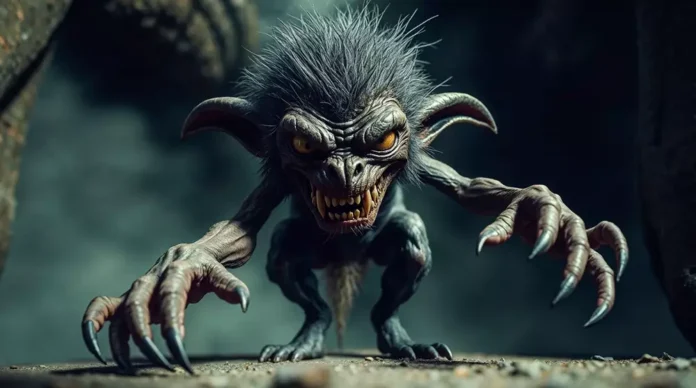
Trickster Fae – Overview
Trickster Fae represent a category of mythological entities characterized by deceitful, cunning, and playful behaviors. They are often depicted as shape-shifting spirits or beings that disrupt the natural order. These entities challenge norms, provoke reflection, and reveal truths.
Across various cultures, Trickster Fae are known for their ability to transform and manipulate reality. They frequently embody paradoxes, acting both as creators and destroyers. Their presence in mythological narratives serves as a catalyst for change and insight.
Typically, Trickster Fae occupy liminal spaces, existing between established boundaries. Their actions often lead to unintended consequences, which highlight the unpredictable nature of life. They challenge rigid structures, prompting societies to reconsider moral and ethical norms.
Defining Characteristics
Physical Form and Morphology
Trickster Fae are often depicted with ambiguous and fluid forms. They may appear as animals, humans, or hybrids, reflecting their shape-shifting abilities. Their mutable nature symbolizes their role as boundary-crossers and agents of chaos.
In many traditions, these beings take on animal forms like foxes, ravens, or hares. Such forms emphasize their connection to the natural world and their capacity for disguise. They are often associated with elements of mischief and cleverness.
Ontological Nature
Trickster Fae are considered supernatural entities that defy conventional classifications. They exist simultaneously within and outside the ordinary world, embodying the tension between order and chaos. Their liminal nature reflects their ability to transcend limitations.
These beings are seen as essential components of the cosmic balance. While they disrupt established norms, their actions often lead to restoration and renewal. They exemplify the transformative power inherent in mythological systems.
Mythological Role and Function
Place in Mythological Systems
Trickster Fae occupy pivotal roles in mythological frameworks, acting as mediators between divine and mortal realms. They engage with gods, humans, and nature, often serving as messengers or instigators of change. Their actions illuminate hidden truths.
Within these systems, Trickster Fae challenge the status quo, provoking thought and innovation. Their presence is integral to the balance between order and chaos. They embody the unpredictability and complexity of the universe, facilitating growth and understanding.
Perception and Meaning
Cultures generally perceive Trickster Fae as both threats and allies. They are seen as protectors of sacred knowledge and catalysts for transformation. Their actions can be seen as punishments or lessons, depending on context.
Symbolically, Trickster Fae represent change, ambiguity, and the potential for new beginnings. They embody the duality of light and darkness, reflecting the complexity of human experience. Their narratives encourage reflection on morality and ethics.
Distinction from Related Beast Types
Conceptual Boundaries
Trickster Fae are distinct from elemental beings and spirits due to their inherent ambiguity and shape-shifting nature. Unlike elemental beings, they embody change rather than specific natural forces. Their role is more transformative and disruptive.
Unlike undead entities or humanoid monsters, Trickster Fae are not bound by physical limitations. Their existence is fluid, allowing them to navigate multiple realms. This distinguishes them from beings with fixed forms or purposes.
Common Sources of Confusion
Trickster Fae are often conflated with cultural heroes or deities due to shared themes of transformation. However, trickster figures lack the divine authority of gods. They operate independently, serving as agents of chaos rather than order.
Scholars distinguish Trickster Fae through their playful, subversive tendencies. These characteristics set them apart from more predictable mythological figures. Their presence is defined by unpredictability, contrasting with the structured nature of other entities.
Canonical Beasts Associated with This Beast Type
Loki
Loki, a Norse figure, epitomizes Trickster Fae attributes. Known for his cunning and shape-shifting abilities, he destabilizes the divine order. His actions reveal the complexities of the Norse cosmos and challenge moral perspectives.
Nanabozho
Nanabozho, a figure from Anishinaabe mythology, exemplifies the Trickster Fae role. As a creator and a deceiver, he shapes the world, teaching lessons through his mischief. His dual nature highlights the intertwining of creation and chaos.
Anansi
Anansi, from West African folklore, is another key representative of this type. As a spider, he embodies cleverness and subversion. His tales reflect cultural values and convey wisdom through trickery and storytelling.
Historical Distribution and Cultural Context
Trickster Fae appear in diverse cultures, from Indigenous American tribes to African and Norse traditions. They emerge in societies where boundary-crossing and transformation are central themes. Their presence reflects universal human experiences.
Historically, these entities have been documented in both oral and written traditions. They are often prevalent in societies undergoing transition or facing existential questions. Their narratives persist across various epochs, adapting to cultural changes.
Scholarly Interpretation and Uncertainty
Variation in Definitions
Definitions of Trickster Fae vary widely among scholars and cultures. Some emphasize their role in maintaining cosmic balance, while others focus on their disruptive tendencies. Interpretations often reflect prevailing cultural and historical contexts.
Limits of Available Evidence
No verified sources describe a definitive origin for Trickster Fae. Historical records are often fragmentary or interpretative. Scholars must rely on comparative mythology to reconstruct their roles, acknowledging the limits of current understanding.
Mythological Role Across Cultures
Trickster Fae recur across mythologies due to their embodiment of universal human concerns. They address themes of transformation, moral ambiguity, and resistance to authority. Recognizing their significance aids in understanding mythological systems comparatively.
By challenging norms, Trickster Fae provoke reflection and adaptation. Their narratives provide insights into cultural values and fears. They serve as mirrors to society, encouraging introspection and resilience in the face of change.