back to top

Trickster Spirit

Trickster Spirit represents cunning and transformation in myths, embodying change and chaos across diverse cultures and narratives.

Relevant Beasts
Africa
Spider
Ghana

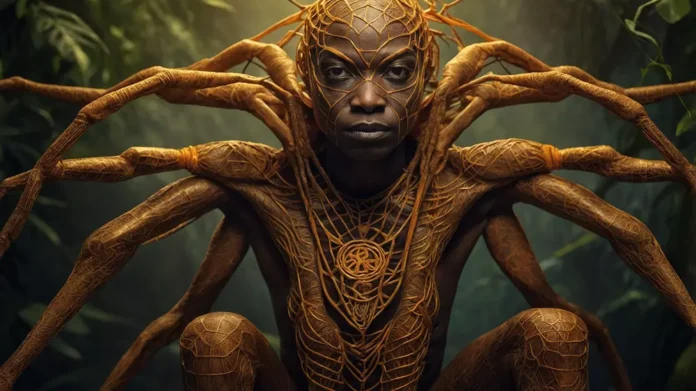
Anansi

Anansi is a cunning spider figure in African and Caribbean folklore, known for his wit and trickery, often embodying...
  • Skills
Animal CommunicationDisguising Illusion
  • Weaknesses
Impulsive ReactionOverconfidence
Alaska Native
Trickster Spirit
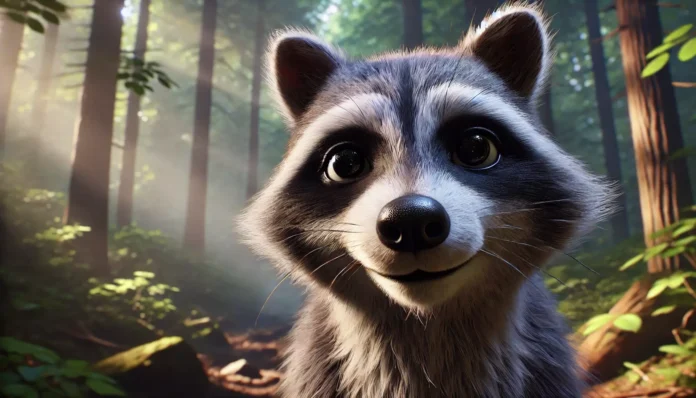
Azeban - the trickster racoon
Alaska Native

Azeban

Azeban is a trickster raccoon spirit from Abenaki folklore, known for creating confusion and mischief without harm.

  • Skills
StealthTrickery
  • Weaknesses
Silver WeakWater Dependent

Trickster Spirit – Overview

The Trickster Spirit is a mythological beast type characterized by its cunning, deceptive nature, and ability to disrupt norms and expectations. These spirits are often agents of change, transformation, and chaos. Their role transcends simple mischief to embody deeper philosophical and moral questions. Across cultures, they’ve been seen as necessary for challenging the status quo, introducing unpredictability, and prompting evolution in both stories and societies.

Defining Characteristics

Physical Form and Morphology

Trickster Spirits tend to possess mutable physical forms, often shifting appearances to suit their needs. Common attributes include an animal-like structure, notably combining human and animal traits. This hybrid morphology symbolizes their ability to navigate different worlds, embodying both earthly and otherworldly qualities. Their form often reflects their need to adapt and deceive.

Ontological Nature

Ontologically, Trickster Spirits are liminal beings, existing on the fringes of the natural and supernatural realms. They often circumvent established boundaries, blurring lines between the physical and spiritual worlds. Their essence challenges rigid classifications, allowing them to act as intermediaries, connectors, or disruptors within the cosmic order. This liminality underscores their transformative influence.

Mythological Role and Function

Place in Mythological Systems

In many mythological systems, Trickster Spirits serve as catalysts for change, often opposing the rigid structures maintained by gods or societal norms. They engage in acts that may appear chaotic but serve to question or alter existing power dynamics. Their interactions with humans, deities, and natural forces illustrate their role as necessary provocateurs who encourage growth and adaptation.

Perception and Meaning

Culturally, Trickster Spirits are perceived in varied lights: they may be viewed as dangerous disruptors, wise instructors, or embodiments of chaos and creativity. Their actions often reveal hidden truths, expose hypocrisy, or test moral integrity. These spirits frequently embody dualities, being simultaneously feared and revered, reflecting their complex relationship with their cultural mythologies.

Distinction from Related Beast Types

Conceptual Boundaries

Unlike elemental beings, Trickster Spirits are not bound to a single natural force; instead, they leverage multiple aspects of reality. They differ from spirits and undead entities, which are often more passive or bound to specific realms. Their defining feature is intentional disruption rather than adherence to a particular natural or moral order.

Common Sources of Confusion

Trickster Spirits are sometimes conflated with deities or demons due to their powerful influence. However, they are distinct in their role as boundary-breakers rather than enforcers of divine will. Scholars distinguish them by emphasizing their unique function as cultural and moral questioners who provoke reflection rather than merely exert power.

Canonical Beasts Associated with This Beast Type

Loki

Originating from Norse mythology, Loki exemplifies the Trickster Spirit through his shape-shifting abilities and cunning nature. He challenges the gods’ plans, often acting as a catalyst for unforeseen consequences. Loki’s actions embody the transformative chaos central to trickster narratives, making him a quintessential example.

Raven

In Native American traditions, Raven acts as a Trickster Spirit, particularly in the Pacific Northwest. Known for its intelligence and problem-solving abilities, Raven often creates or alters the world through clever schemes. This bird symbolizes the unpredictable and transformative aspects attributed to trickster entities.

Anansi

Anansi, from West African folklore, is a spider who embodies the trickster archetype. Renowned for his wit and storytelling prowess, Anansi frequently outsmarts larger, more powerful beings. His tales emphasize the value of intellect over brute strength, illustrating the trickster’s role in subverting norms and expectations.

Historical Distribution and Cultural Context

Trickster Spirits appear globally, from Native American lore to African, Norse, and Greco-Roman mythologies. They thrive in cultures where storytelling serves as both entertainment and moral instruction. Historically, these spirits emerge in societies grappling with change, symbolizing uncertainty and the necessity of adaptability for survival.

Scholarly Interpretation and Uncertainty

Variation in Definitions

Different cultures and scholars may define Trickster Spirits based on varying traits, such as their moral ambiguity or transformative power. Some view them as chaotic forces, while others as cultural heroes. This variability reflects differing cultural values and narrative functions assigned to these spirits over time.

Limits of Available Evidence

The historical record on Trickster Spirits is often fragmented, with oral traditions playing a significant role in their preservation. This can lead to ambiguities in interpretation. No verified sources describe a singular, cohesive myth for all trickster figures, leading to divergent understandings across cultural contexts.

Mythological Role Across Cultures

Trickster Spirits recur in various mythologies due to their role in addressing universal human concerns, such as the challenges of change, adaptability, and the questioning of authority. They embody the tension between order and chaos, serving as reminders of the fluidity and unpredictability inherent in life. By recognizing their role, scholars can compare mythological systems, offering insights into cultural values and worldviews.