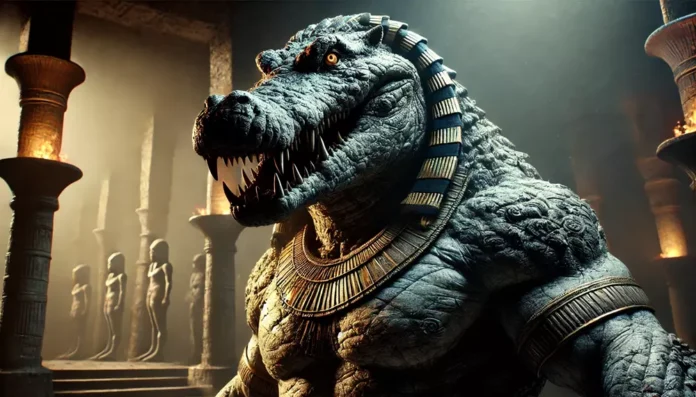
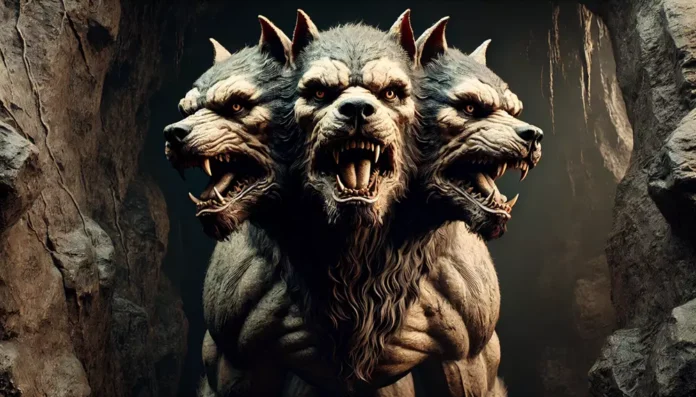
Underworld Giant – Overview
The Underworld Giant is a beast type found in various mythological traditions. It embodies immense size and strength, often linked with the subterranean realms. These giants typically serve as guardians, punishers, or boundary keepers, reflecting their role in mythic narratives.
Common traits of the Underworld Giant include their formidable size and ability to influence the earthly and supernatural realms. They are often seen as ancient beings who possess wisdom or knowledge of hidden truths. The giants are integral to cosmological narratives, connecting them to the underworld.
In many traditions, Underworld Giants are either antagonistic or custodial figures. They serve to regulate interactions between the world of the living and the underworld, underscoring their formidable presence. Their characteristics often embody themes of chaos and order within mythological systems.
Defining Characteristics
Physical Form and Morphology
Underworld Giants are typically depicted with enormous, formidable physiques, reflecting their immense power. Their bodies often possess exaggerated features, such as large limbs and massive heads, symbolizing their strength and connection to the subterranean domain.
Common visual forms include grotesque or fearsome appearances, setting them apart from other mythological beings. Their morphological traits often include rugged and earthy textures, emphasizing their underworld associations. These physical characteristics underscore their role as boundary guardians.
Despite variations across cultures, Underworld Giants consistently exhibit traits that evoke both awe and fear. Their imposing forms serve as a deterrent to transgressing boundaries between realms. This consistency highlights their universal role in mythological narratives.
Ontological Nature
Underworld Giants are frequently conceptualized as liminal entities, existing between the mundane and the supernatural. They often embody elemental or cosmic forces, linking them to the earth or the underworld. These giants are seen as hybrids of physical and spiritual realms.
As supernatural entities, their existence is often portrayed as eternal or ancient, suggesting a primordial connection to creation myths. This ontological nature reinforces their role as keepers of hidden or forbidden knowledge. They frequently operate outside traditional time and space constraints.
Their hybrid nature allows them to function as mediators between mortal and divine realms. This responsibility underscores their importance in maintaining cosmic balance. As liminal beings, they challenge and uphold the natural order, influencing mythological systems significantly.
Mythological Role and Function
Place in Mythological Systems
Underworld Giants are pivotal within mythological frameworks, often serving to delineate the boundaries between life and death. They act as gatekeepers, controlling access to the underworld. These giants interact with gods, humans, and spirits, highlighting their integrative role.
In many myths, they are antagonists to heroes, serving as challenges or tests. Their presence can symbolize the dangers of the underworld or the trials of mortality. This interaction underscores their function in illustrating themes of struggle and transcendence.
Underworld Giants often embody moral lessons, representing unchecked power or the need for balance. They highlight cultural values by embodying chaos subdued by order. This moral framing reinforces the giants’ symbolic significance in cosmological narratives.
Perception and Meaning
Cultures generally perceive Underworld Giants as formidable and awe-inspiring. They are seen as threats to be overcome or allies to be respected. Their dual nature as protectors and punishers highlights complex cultural attitudes towards power and the unknown.
Symbolically, these giants can embody the earth’s raw power or the mysteries of the afterlife. They represent the unknown and the potential for both destruction and protection. This ambiguity adds depth to their mythological roles, reflecting human fears and aspirations.
Their presence often indicates a transition point in narratives, symbolizing the movement from one state of being to another. This role as transitional figures emphasizes their importance in mythological storytelling and cultural interpretation, reinforcing their mythic significance.
Distinction from Related Beast Types
Conceptual Boundaries
Underworld Giants differ from elemental beings and spirits through their dual physical and spiritual nature. Unlike purely spiritual entities, they possess physical forms that interact with the world. This duality distinguishes them within mythological frameworks.
While elemental beings embody specific natural forces, Underworld Giants bridge multiple realms. They serve as mediators rather than singular force embodiments. This multifaceted role differentiates them from other supernatural creatures, underscoring their unique mythological function.
Unlike humanoid monsters, these giants are not defined solely by monstrous traits. Their connection to the underworld and cosmic functions distinguishes them from purely physical threats. This connection reinforces their role as boundary keepers and moral symbols.
Common Sources of Confusion
Underworld Giants are sometimes confused with undead entities due to their association with death. However, their role as guardians, not reanimated beings, sets them apart. This distinction is crucial for scholarly interpretation and comparative mythology studies.
Their hybrid nature can lead to conflation with other liminal beings, like spirits or demigods. Scholars distinguish them by emphasizing their physical presence and underworld connections. This clarification helps maintain clear conceptual boundaries in mythological analysis.
Misclassification can occur when their symbolic roles are generalized. The giants’ specific association with underworld narratives is often overlooked. Recognizing their unique functions within myths helps avoid such misconceptions and enriches cultural interpretations.
Canonical Beasts Associated with This Beast Type
Hrungnir
Hrungnir, from Norse mythology, exemplifies the Underworld Giant. Known for his immense strength, he is a powerful adversary of the gods. His representation as a boundary figure aligns with the typical traits of this beast type.
Antaeus
In Greek mythology, Antaeus embodies the Underworld Giant. He draws strength from the earth, illustrating the connection between giants and the underworld. His role as a formidable opponent to Hercules emphasizes his mythological significance.
Ymir
Ymir, also from Norse mythology, is a primordial giant associated with creation. His body forms the earth, illustrating the cosmological role of giants. Ymir’s destruction by the gods marks a transition in the mythic order, highlighting his lasting impact.
Historical Distribution and Cultural Context
Underworld Giants appear across various cultures, including Norse, Greek, and other Indo-European traditions. Their presence is noted from ancient to medieval periods, reflecting a widespread mythological archetype. The giants often emerge in societies with rich oral traditions.
The distribution of this beast type suggests a shared human fascination with boundary figures. These giants often appear in cultures with a strong underworld or afterlife concept. Their consistent presence indicates a universal symbolic role in mythological thought.
Regional variations exist, with some cultures emphasizing their destructive nature, while others highlight protective roles. This duality reflects differing cultural attitudes towards death and the supernatural. The giants’ adaptability underscores their enduring mythological presence.
Scholarly Interpretation and Uncertainty
Variation in Definitions
Scholarly definitions of Underworld Giants vary across cultural and academic contexts. Some frameworks emphasize their physical attributes, while others focus on symbolic roles. This variation highlights the complexity of their mythological significance.
Academic interpretations often differ on the giants’ moral implications. Some view them as purely antagonistic, while others see moral ambiguity. These divergent perspectives reflect varying cultural narratives and scholarly approaches to mythological analysis.
The underworld connection is a consistent theme, yet interpretations of its significance vary. This diversity illustrates the giants’ multifaceted nature and their adaptability in different cultural and scholarly contexts. Understanding these differences enriches comparative mythology studies.
Limits of Available Evidence
Evidence for Underworld Giants predominantly comes from mythological texts and oral traditions. However, gaps and ambiguities exist, particularly in lesser-documented cultures. The reliance on ancient sources limits comprehensive understanding and demands cautious interpretation.
Some myths are fragmentary, leading to speculative reconstructions. Scholars must navigate these uncertainties without definitive conclusions. This challenge underscores the importance of critical analysis and interdisciplinary approaches in studying mythological beasts.
While established interpretations exist, many aspects remain uncertain. The giants’ roles and attributes can vary significantly, complicating attempts at a singular definition. Acknowledging these limits is vital for responsible and accurate mythological scholarship.
Mythological Role Across Cultures
The recurrence of Underworld Giants across cultures reflects shared human concerns about mortality and the unknown. These giants embody boundary challenges and confrontations with death. They serve as crucial symbols in understanding life’s transitions and human limitations.
The giants’ roles often address themes of power, order, and chaos. By embodying fears and aspirations, they facilitate understanding of cultural values and existential questions. Recognizing their role across traditions enriches comparative mythology and enhances cultural literacy.
By comparing the giants’ roles, scholars can discern universal patterns in mythological thinking. This analysis helps identify common human themes and the giants’ enduring relevance. Their mythological presence offers insights into the complexities of human belief systems.