back to top

Water Serpent

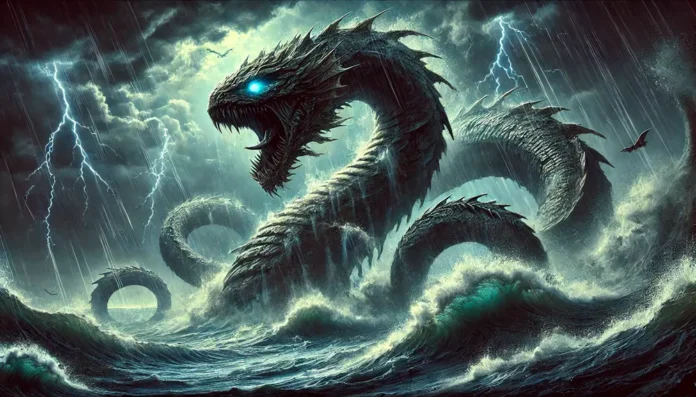
Water Serpent embodies aquatic power and transformation in myths, often symbolizing chaos, creation, or guardianship across cultures.

Relevant Beasts
Amazon
Water Serpent
Yacumama – Amazonian mythology | South America
Amazon

Yacumama

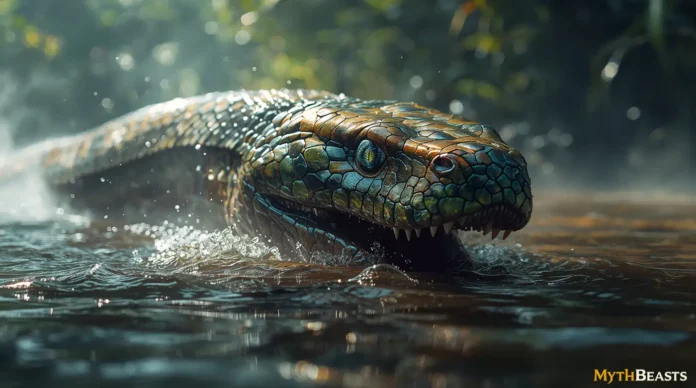
Yacumama is an Amazonian water serpent from Indigenous folklore, classified as a supernatural guardian of rivers.
  • Skills
Element ControlWater Breathing
  • Weaknesses
Dry Land HarmEnvironmental Limits

Water Serpent – Overview

Water Serpents are mythological beasts characterized by their serpentine form and elemental association with water bodies. They are often depicted as long, sinuous creatures with the ability to navigate aquatic environments seamlessly. This beast type embodies both the fluidity of water and the mysterious, often dangerous, nature of the serpent. Across various cultures, Water Serpents function as intermediaries between the human and supernatural worlds, symbolizing both creation and destruction in mythological narratives. Their recurring presence in myths underscores their significance in explaining natural phenomena and embodying elemental forces.

Defining Characteristics

Physical Form and Morphology

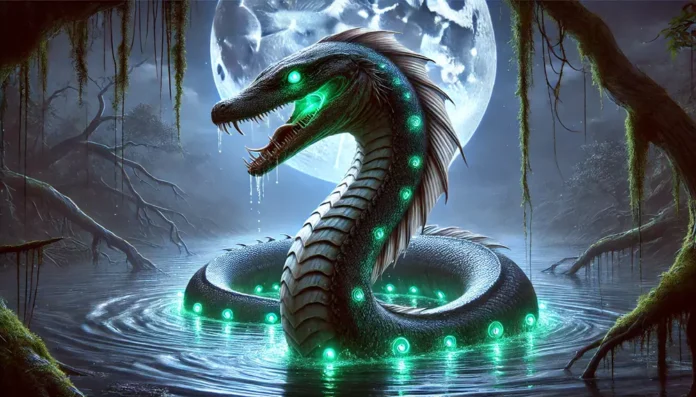
Water Serpents typically possess elongated, snake-like bodies, often with features that enhance their aquatic adaptability, such as fins or gills. Their scales are usually depicted in colors that reflect their watery environments, like blues, greens, and silvers. While the physical appearance may vary slightly between cultures, the core serpentine structure and aquatic traits remain consistent, emphasizing their role as masters of water. Some traditions also describe them as possessing mesmerizing eyes or hypnotic abilities to further signify their otherworldly nature.

Ontological Nature

In mythological contexts, Water Serpents are often seen as liminal beings that straddle the boundary between the natural and supernatural realms. They are sometimes considered guardians of sacred waters or embodiments of divine wrath when nature is transgressed. These creatures can also represent the chaotic and untamed aspects of the natural world, serving as a reminder of the power and unpredictability of water. Their existence is frequently tied to cosmogonies, where they play roles in creation myths or represent the serpentine chaos from which order is derived.

Mythological Role and Function

Place in Mythological Systems

In many mythological systems, Water Serpents are integral to maintaining the balance between land and water, often mediating between gods and humans. They can act as protectors of treasures hidden in water or as harbingers of floods and storms. Their presence in myths highlights the dual nature of water as a life-giving force and a potential source of destruction. Some traditions view them as custodians of wisdom, where they are believed to possess ancient knowledge or secret truths about the world’s origins or future.

Perception and Meaning

Cultures often perceive Water Serpents as embodiments of both fear and reverence. They are seen as powerful protectors or dangerous adversaries, depending on their relationship with humans. In some traditions, they are worshipped as deities or revered in rituals to ensure safe passage across waters. Symbolically, they represent transformation and regeneration, reflecting the cyclical nature of water’s influence on life. This dual perception underscores their complex role as both nurturers and destroyers within the mythological landscape.

Distinction from Related Beast Types

Conceptual Boundaries

Water Serpents differ from other elemental beings by their strong emphasis on both serpentine and aquatic characteristics. Unlike spirits or humanoid monsters, they are deeply connected to specific physical landscapes, such as lakes or rivers. Their identity is tied to the water’s elemental power, distinguishing them from land-bound serpents or aerial dragons. While they share some traits with other water-associated creatures, their unique morphology and mythological functions set them apart as distinct entities within the broader category of mythological beasts.

Common Sources of Confusion

The Water Serpent is sometimes conflated with dragons or sea monsters due to overlapping characteristics like size and affinity with water. However, scholars differentiate them by focusing on the Water Serpent’s specific symbolic role related to water as a transformative element. Misinterpretations may also arise from cultural translations where similar creatures are named differently, leading to confusion in distinguishing between genuine Water Serpents and other mythical water beings. Academic comparisons emphasize the Water Serpent’s role in myth over merely its appearance or habitat.

Canonical Beasts Associated with This Beast Type

The Nāga

Nāgas in Hindu and Buddhist traditions exemplify Water Serpents, embodying both protection and danger. They are often depicted as guardians of water bodies, possessing immense power and wisdom, central to these belief systems.

Quetzalcoatl

Quetzalcoatl, from Mesoamerican mythology, is another iconic Water Serpent. Often depicted as a feathered serpent, it signifies both wind and water, embodying creation, fertility, and the cyclical nature of life and death.

The Loch Ness Monster

Though primarily modern folklore, the Loch Ness Monster reflects traditional Water Serpent traits. Its association with Scotland’s Loch Ness places it within a broader context of water-dwelling serpentine creatures in Celtic mythology.

Historical Distribution and Cultural Context

Water Serpents appear in diverse mythologies globally, including Asian, Mesoamerican, and European cultures. Their presence in regions with significant water bodies, like rivers and lakes, underscores their role as elemental forces. Historically, these creatures thrived in oral traditions, evolving as symbols of natural phenomena. Their cultural context often reflects the critical importance of water in sustaining life and shaping societies. As societies navigated the challenges posed by water, Water Serpents emerged as potent symbols of the environment’s power and mystery.

Scholarly Interpretation and Uncertainty

Variation in Definitions

Interpretations of Water Serpents vary across cultures and academic disciplines, influenced by regional myths and historical contexts. Some view them as embodiments of chaos, while others emphasize their protective roles. Scholars debate their precise classification, sometimes placing them within broader categories like dragons or sea creatures. These variations reflect cultural differences in understanding and depicting these mythological entities. Despite differing interpretations, the central themes of water-related symbolism and serpentine characteristics remain consistent across cultures.

Limits of Available Evidence

Evidence about Water Serpents is often limited due to the oral nature of many traditions and the lack of written records. Archaeological and iconographic evidence can provide insights, but interpretations are often speculative. Scholars must navigate ambiguities in differentiating between Water Serpents and related creatures, acknowledging the fluid boundaries within mythological classifications. Continued research and comparative studies aim to clarify these distinctions, but many aspects of their mythological roles remain debated or unresolved.

Mythological Role Across Cultures

Water Serpents recur across mythologies due to their embodiment of universal human concerns such as water’s life-sustaining and destructive powers. They symbolize humanity’s relationship with nature, mediating between the known and unknown. Recognizing their role helps interpret mythological systems by highlighting shared cultural functions like environmental balance and spiritual protection. Their presence in disparate traditions underscores the commonality of water as a vital and awe-inspiring element, shaping human culture and belief systems throughout history.