
back to top

Water Shifter

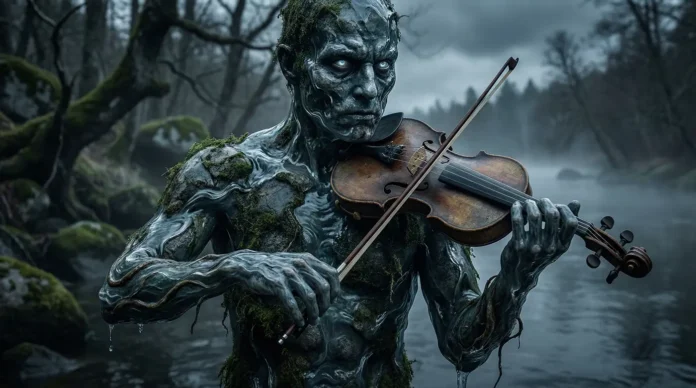
Water Shifter creatures are known for their ability to transform, symbolizing adaptability and change in various mythological traditions.

Relevant Beasts
Celtic
Water Shifter
Kelpie - A water spirit in the form of a dark, ghostly horse with wet, shimmering mane and intense eyes
Celtic

Kelpie

The Kelpie is a shape-shifting water spirit from Scottish folklore, known to appear as a horse and lure victims...

  • Skills
Element ControlIllusions
  • Weaknesses
Blessed WeaponDivine Restrictions

Water Shifter – Overview

Water Shifters are mythological entities characterized by their transformative abilities related to aquatic environments. They possess the power to alter their forms, often reflecting water’s mutable nature. These beings are present in various mythologies, embodying the fluidity and unpredictable aspects of water. This category is not a single entity but a conceptual classification encompassing multiple mythological beings that share these transformative traits.

Defining Characteristics

Physical Form and Morphology

Water Shifters typically exhibit forms that are fluidic and adaptable, mirroring the essence of water itself. They are often depicted with traits resembling aquatic animals, such as scales, fins, or webbed appendages. Their ability to change form allows them to navigate different environments, emphasizing their connection to water. This adaptability is central to their identity, setting them apart from static mythological creatures.

Ontological Nature

Water Shifters are often understood as liminal entities that bridge the natural and supernatural worlds. Their existence underscores the dynamic and transitional qualities of water, emblematic of both creation and destruction. They occupy a unique place in mythology, often serving as intermediaries between humans and the divine or natural worlds. Their hybrid nature challenges the boundaries of physical existence, aligning them with cosmic and elemental forces.

Mythological Role and Function

Place in Mythological Systems

In mythological systems, Water Shifters frequently interact with gods, humans, and natural elements, embodying the fluidity of water. They may serve as custodians of water bodies, influencing weather patterns or guiding souls across metaphysical boundaries. Their presence often represents the balance between chaos and order, integrating them into broader cosmological frameworks.

Perception and Meaning

Cultures often perceive Water Shifters as multi-faceted entities, serving as protectors or harbingers of change. They may be seen as threats when associated with natural disasters or as beneficial forces providing fertility and cleansing. Their symbolic significance lies in embodying the dual nature of water, offering both life and peril, thus reflecting cultural interpretations of these forces.

Distinction from Related Beast Types

Conceptual Boundaries

Water Shifters differ from elemental beings by their specific association with water’s transformative properties. Unlike spirits or undead entities, they are defined by their fluid form and adaptability. While humanoid monsters might share transformative traits, Water Shifters are distinct in their elemental linkage, emphasizing their role as dynamic agents within water-based environments.

Common Sources of Confusion

Confusion often arises due to Water Shifters’ overlapping traits with other aquatic or shape-shifting entities. Scholars distinguish them by emphasizing their specific connection to water and its inherent fluidity. Unlike animal-based creatures that inhabit water, these beings are defined by their transformative essence, not merely their habitat, highlighting their unique mythological role.

Canonical Beasts Associated with This Beast Type

Nāga

Originating from Hindu and Buddhist traditions, Nāga are serpentine beings associated with water bodies. They are renowned for their ability to transform between serpent and human forms, embodying the fluid nature of water.

Selkies

From Celtic folklore, selkies are seal-like creatures with the ability to transform into humans by shedding their skins. This transformation highlights their strong connection to water and its mutable properties.

Yacuruna

Amazonian mythology describes Yacuruna as water spirits who can shape-shift into human or animal forms. They inhabit the depths of rivers, showcasing the transformative essence central to Water Shifters.

Historical Distribution and Cultural Context

Water Shifters appear across diverse cultures, from the Celtic coasts to the rivers of Amazonia, demonstrating their historical distribution. They are found in regions where water plays a crucial role in daily life and belief systems. Often emerging in cultures with strong aquatic ties, their presence reflects the integral role of water in shaping mythological narratives. Their historical contexts reveal insights into how societies relate to and interpret the element of water.

Scholarly Interpretation and Uncertainty

Variation in Definitions

Interpretations of Water Shifters vary, influenced by cultural contexts and historical periods. Some frameworks emphasize their protective nature, while others focus on their chaotic potential. Scholarly definitions often differ, reflecting diverse mythological narratives and analytical approaches.

Limits of Available Evidence

No verified sources describe Water Shifters uniformly across contexts, leading to diverse interpretations. Evidence is often fragmented, with many myths lacking comprehensive documentation. Scholars rely on comparative analysis to bridge these gaps, acknowledging the limits of available evidence.

Mythological Role Across Cultures

Water Shifters recur across mythologies due to their embodiment of universal human concerns, such as transformation, adaptability, and the dual nature of water. They address symbolic needs, representing themes of change, rebirth, and the unknown. Understanding their role helps interpret mythological systems comparatively, highlighting shared cultural functions and human experiences. Their recurrence underscores the archetypal significance of water in shaping human imagination and belief.