Summary
Adlet are dog-legged humanoid beings from Inuit oral tradition, remembered as strange people living beyond familiar settlement. Their stories come from Arctic North American lore, where distance, hunger, ice, family tension, and isolation often become supernatural threats.
The main recorded accounts checked here describe the Adlet as human above and dog-like below. They are not werewolves or moon-bound shapeshifters.
They belong to a different mythic pattern: a people born from a troubling family story, then pushed into the wilderness.
The best-known recorded version appears in Franz Boas’s The Central Eskimo, published in 1889. Boas connects the Adlet with traditions from Baffin Land, Greenland, Labrador, and areas west of Hudson Bay, where the name and meaning shift by region.
History/Origin
The Adlet enter written scholarship through nineteenth-century ethnographic work, especially Franz Boas’s The Central Eskimo. Boas did not invent the tale.
He recorded and compared Inuit oral traditions during a period when Arctic stories reached printed anthropology through colonial-era documentation.
Because the story comes from oral tradition, no fixed first date can be given. For the Myth Beasts period field, Pre-Colonial North America fits the creature’s cultural setting.
The written record only shows when outsiders documented the tale, not when Inuit storytellers began sharing it.
In Boas’s account, the tale appears under the title Origin of the Adlet and of the Qadlunait. An old man named Savirqong lives with his daughter, Niviarsiang.
She refuses human suitors, then chooses Ijirqang, a red-and-white spotted dog.
Their children divide into two groups, creating the Adlet and the Qadlunait, identified in Boas’s account with Europeans. Boas also explains that the name changes across regions, with Labrador, Hudson Bay, Baffin Land, and Greenland traditions using related forms differently.
“a fabulous tribe with dogs’ legs and a human body.” (Franz Boas, The Central Eskimo)
Name Meaning
The name appears in older sources as Adlet, Adla, Adlat, Erqigdlit, or Irqigdlit, depending on region and transcription. Inuit dialects and older scholarly transcriptions vary by region, so one universal spelling would give a false sense of certainty.
Signe Rink gives one useful Greenlandic explanation. She says the term atlat means “the others,” referring to Indians rather than Inuit in that version’s cultural framing.
This meaning should stay cautious because Boas shows that the name changes by region.
That name history makes the Adlet more than simple monsters. They show how folklore can turn distance into otherness.
People beyond the familiar coast become strange, feared, partly human, and partly animal in stories about survival and separation.
Appearance
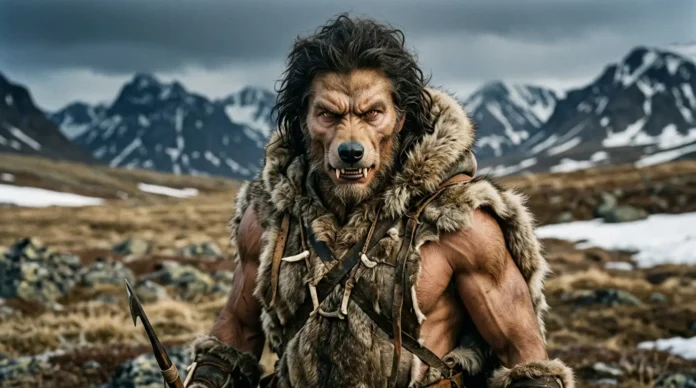
The classic Adlet form combines a human upper body with a dog-like lower body. Boas says their lower half resembled a dog and had hair over it, except the soles, while the upper half had the form of a human being.
This body makes the Adlet unsettling because they stand close to humanity without fully belonging to it. Their dog-like lower half suggests animal ancestry and a life outside ordinary settlement, while the human torso suggests social intelligence.
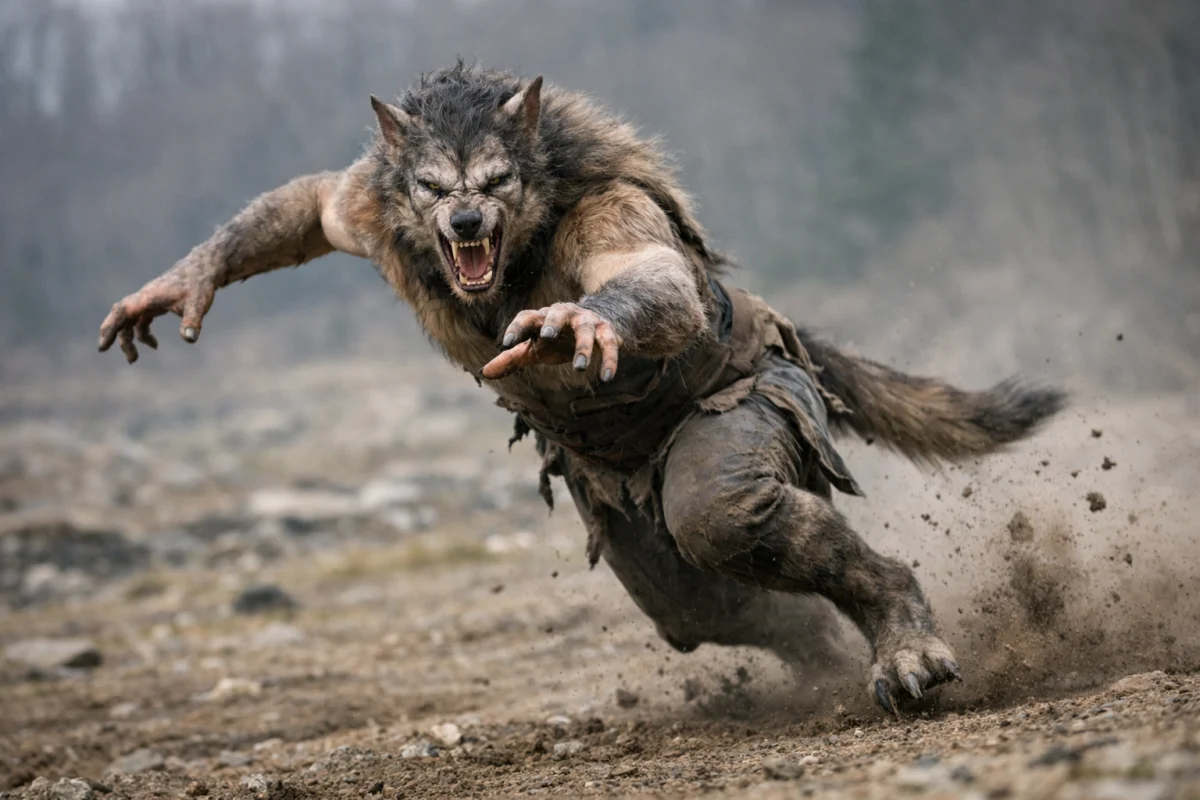
The Adlet should not be treated as werewolves. The checked sources describe them as a born hybrid people, not humans who transform.
That difference matters because the Adlet function as a mythic tribe of outsiders, not as cursed individual monsters.
Famous Folklore Stories
Origin of the Adlet and of the Qadlunait
Boas gives the most important Adlet origin tale in his account from Baffin Land tradition. Niviarsiang refuses human suitors, then marries Ijirqang, a white-and-red spotted dog.
Their strange family becomes the beginning of two different peoples in the recorded story.
“They had ten children, five of whom were Adlet and five dogs.” (Franz Boas, The Central Eskimo, Origin of the Adlet and of the Qadlunait, 1889)
After the children grow older, their appetite strains the household. Boas says the Adlet are human above and dog below.
The family’s hunger pushes Savirqong, Niviarsiang’s father, toward betrayal, because he must provide food for everyone.
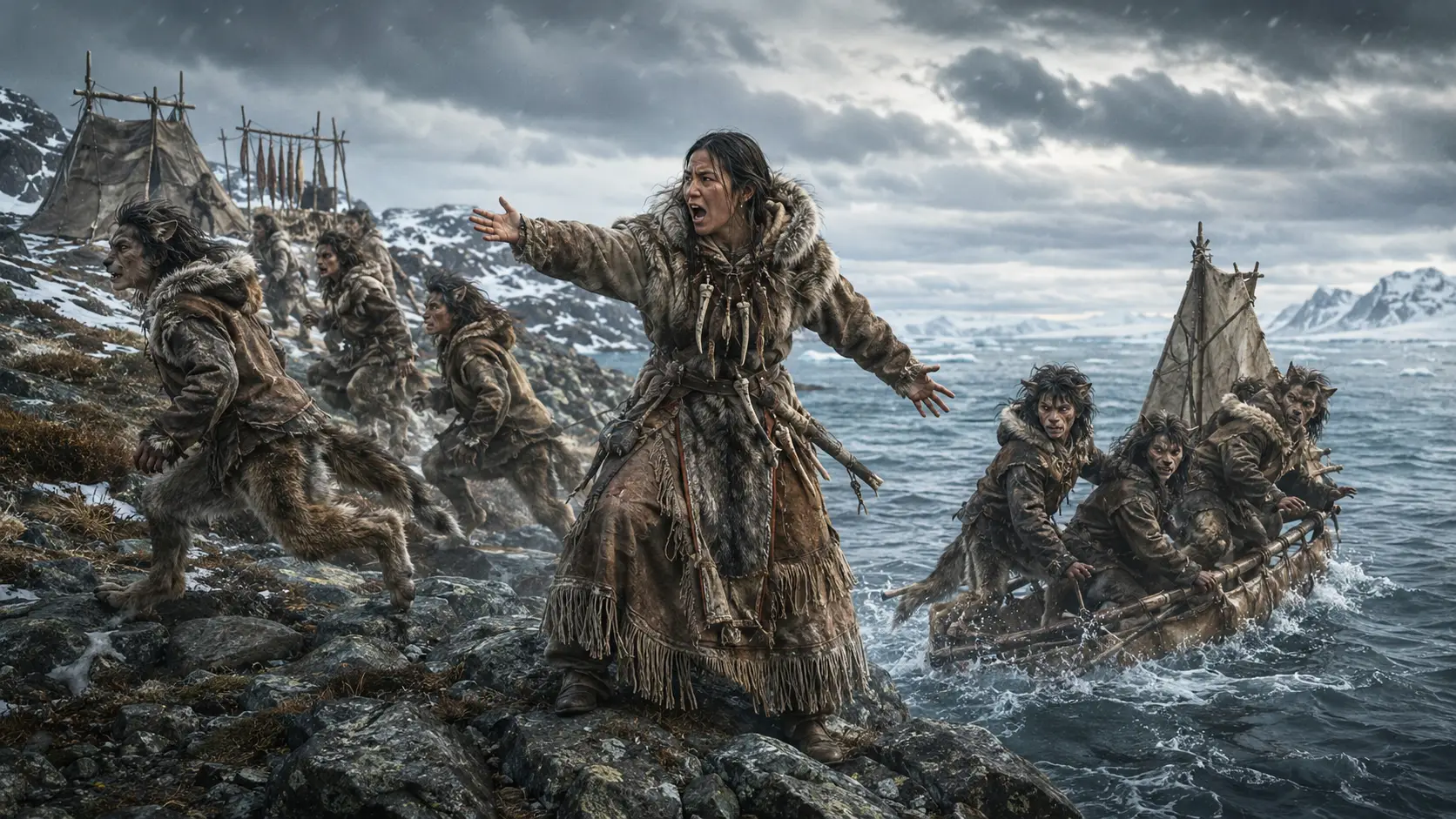
Savirqong moves the family to an island and tricks Ijirqang with boots weighted by stones instead of food. The dog dies in the crossing.
Niviarsiang then protects her children by sending them away before her father can harm them further.
The dog children travel over the sea and become the Qadlunait, identified by Boas with Europeans. The Adlet move inland and become a feared people beyond ordinary Inuit settlement, turning a family conflict into an origin myth about distance and otherness.
The Woman Who Married a Dog
Kroeber’s Smith Sound version keeps the dog-marriage theme but changes key details. The father angrily threatens his daughter with a dog husband after she refuses suitors.
She warns him not to repeat the threat, but the dog enters the house.
“You two be qablunat (Europeans), and go away from here, and dress in clean clothes.” (A. L. Kroeber, Tales of the Smith Sound Eskimo, The Woman Who Married a Dog, 1899)
This version sends the woman to an island named Qemiunaarving, near Qangirdluxssuang Bay. The dog brings her food from her father by floating it over the water, until the father tries to stop the visits through a dangerous trick.
The mother later separates her children into pairs and gives them new identities. Some become qablunat, some become wolves, some become Tornit, and others become inugaudligat.
Kroeber notes that most related Eskimo versions usually keep only Qadlunait and Adlet.
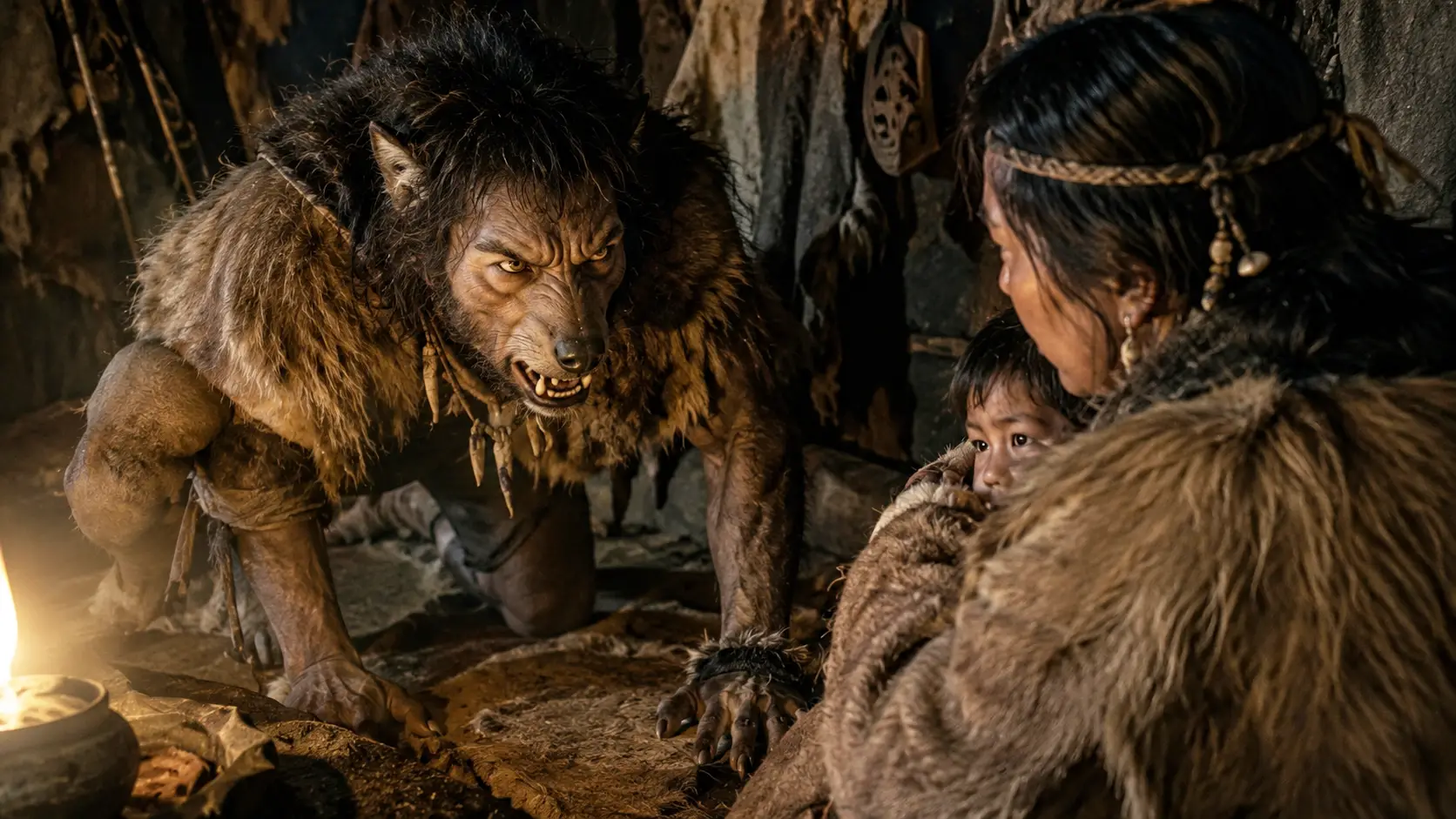
This variant matters because it shows how flexible the Adlet tradition could be. The same core pattern, rejected marriage, dog husband, island exile, strange children, explains different peoples depending on the storyteller, region, and local mythic geography.
The Tornit and the Adlit
Kroeber also records a separate Smith Sound tale where two Tornit live among dangerous Adlit and fear for their lives. The Adlit are not origin figures here.
They act as threatening neighbors, making this story a direct encounter tale.
“when they started, their sledges of course broke down, and the tornit escaped.” (A. L. Kroeber, Tales of the Smith Sound Eskimo, The Tornit and the Adlit, 1899)
At night, one Tornit wakes quietly, prepares a sledge, harnesses the waiting dogs, and calls his companion. Before leaving, the pair cuts the thongs fastening the crossbars to the Adlit sledges, turning a simple escape into a clever survival trick.
The dogs bark, and the Adlit wake. They hurry outside and try to pursue the two Tornit, but the damaged sledges collapse when they start.
The Tornit escape because they understand the tools, timing, and risk better than their pursuers.
This story keeps the Adlet tradition focused on fear and isolation, but it also changes the lesson. The heroes do not win through strength.
They survive by staying quiet, noticing their surroundings, and breaking the chase before it can begin.
Research tracking for Further Reading: Boas directly supports the Niviarsiang, Ijirqang, Adlet, and Qadlunait origin story. Kroeber directly supports both The Woman Who Married a Dog and The Tornit and the Adlit.
EBSCO was used only as a secondary cross-check for the broader Adlet tradition.
Cultural Impact
Adlet stories preserve a sharp Arctic storytelling idea: the unknown is not empty. It has people, hunger, memory, and danger.
The tales turn distance into social meaning, especially where coast, inland travel, and contact with outsiders shaped fear.
They also show how family stories can explain whole peoples. In Boas and Kroeber, the Adlet come from a broken household, not from random evil.
That makes them useful for exploring ancestry, separation, and the uneasy line between human and animal.
Their impact today sits mostly in folklore study, myth databases, fantasy games, and Arctic creature lists. Modern retellings sometimes push them toward horror, but the older stories carry stranger themes: kinship, exile, survival, and cultural distance.
Similar Beasts
Cynocephali
Cynocephali are dog-headed people from classical and medieval lore. Like Adlet, they mix human and canine traits, but they usually have dog heads rather than dog lower bodies.
The similarity comes from shared dog-human boundary imagery.
Werewolves
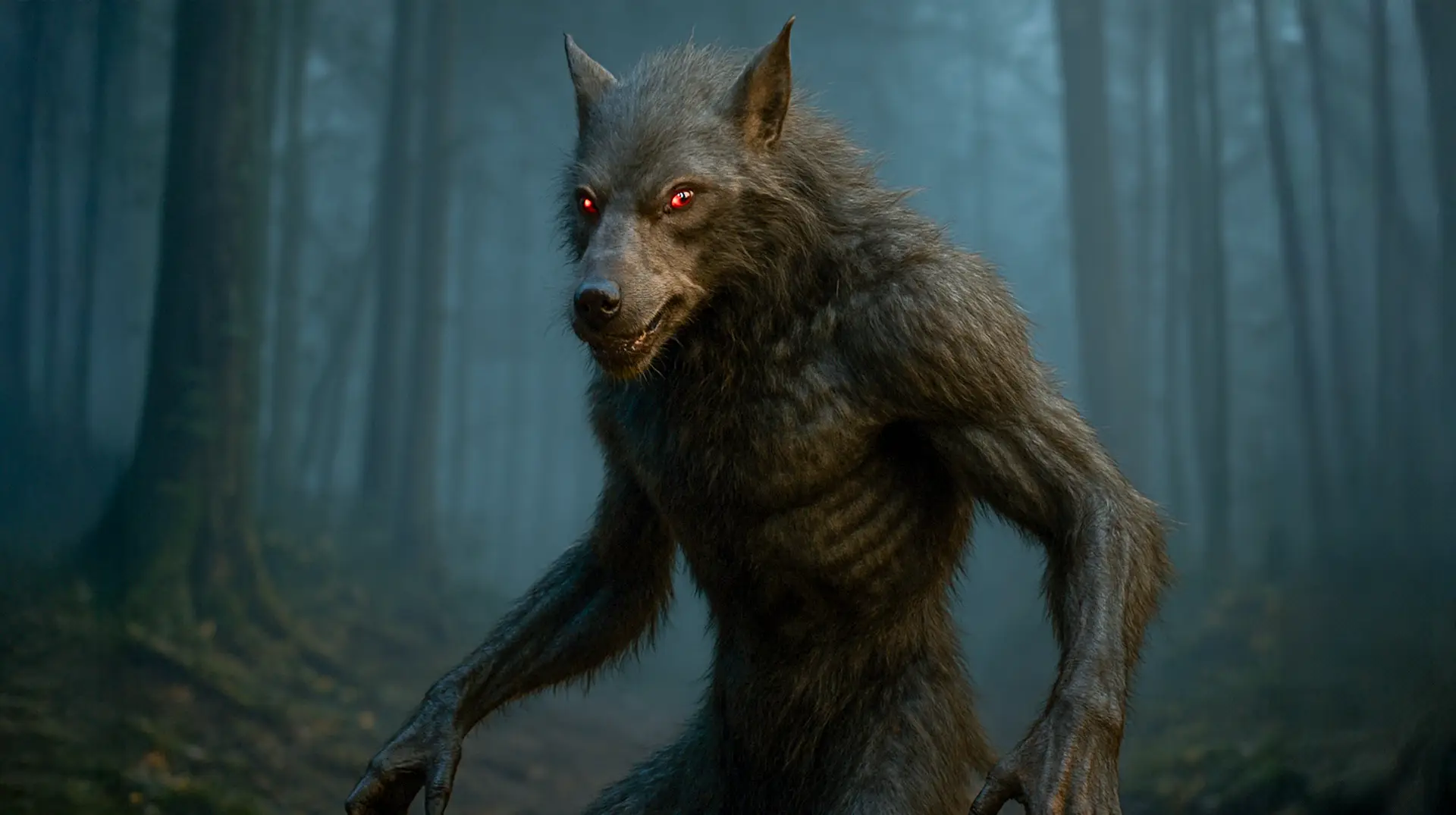
Werewolves combine human and wolf identity in European folklore. They differ from Adlet because they usually transform from human into wolf or wolf-like form, while Adlet stories describe a born hybrid people with dog ancestry.
Lobisón
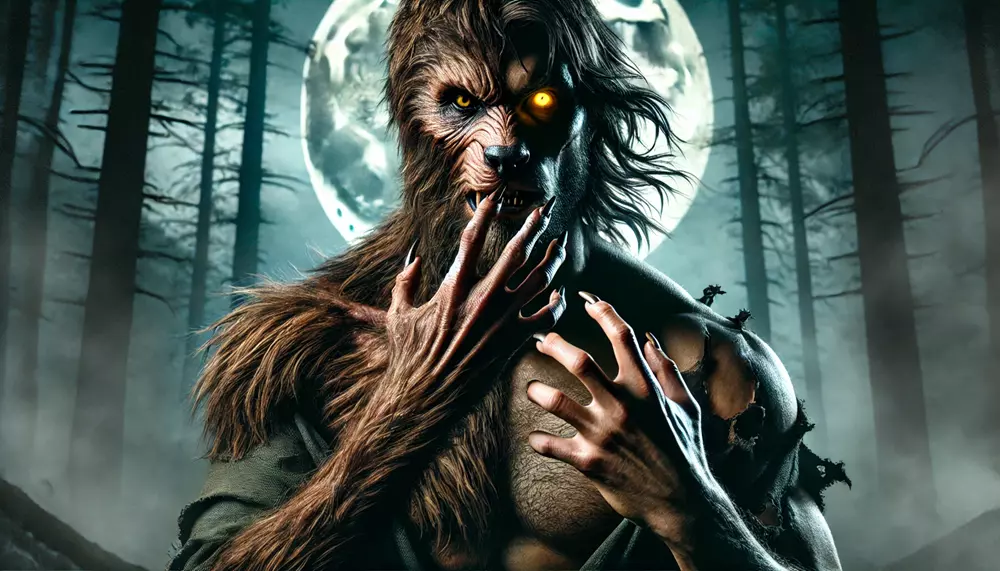
The Lobisón is a werewolf-like figure from Galician and South American folklore, linked to curses, full moons, and seventh-son traditions. Like Adlet, it blends human and canine fear, but it usually transforms from human to beast, while Adlet are born dog-human beings within Inuit origin stories of exile and otherness.
Read more about Lobisón
Tornit
Tornit appear in Inuit stories as powerful earlier beings or strange neighboring people. Kroeber records a tale where Tornit escape from Adlit, making them useful comparison figures within the same Arctic story world.
Dog Husband Tales
Dog husband tales appear across northern story traditions. They often explain outsiders, ancestry, or unusual peoples through a woman’s marriage to a dog and the birth of strange children.
Adlet stories belong to this wider pattern.
Religion/Ritual
No verified source checked for this article shows a formal Adlet cult, offering, festival, or ritual practice. The Adlet seem to belong mainly to oral narrative rather than organized worship, temple practice, or ceremonial devotion.
That absence matters. Inuit traditions include rich relationships with animals, spirits, taboos, and survival rules, but the Adlet do not appear as central ritual figures in the checked Boas, Kroeber, Rink, or secondary materials.
Their spiritual role works through story. They warn that kinship, hunger, outsiders, and animals can cross boundaries in dangerous ways.
The myth teaches through narrative pressure rather than prayer, sacrifice, or public ceremony.
Scientific or Rational Explanations
A rational reading sees Adlet stories as social geography turned into myth. Inuit communities knew coast, sea ice, inland travel, and neighboring groups through lived experience.
The Adlet translate unfamiliar inland peoples and dangerous distance into memorable supernatural form.
Another explanation comes from the wider dog-husband pattern found in northern traditions. These stories use animal marriage and hybrid children to explain ancestry, outsiders, or unusual human groups without asking the listener to treat the tale as biology.
Their dog-like bodies may also reflect the cultural closeness of people and dogs in Arctic life. Studies of Inuit dog traditions note that dogs held practical and spiritual importance, which helps explain why canine ancestry could carry strong mythic meaning.
Modern Cultural References
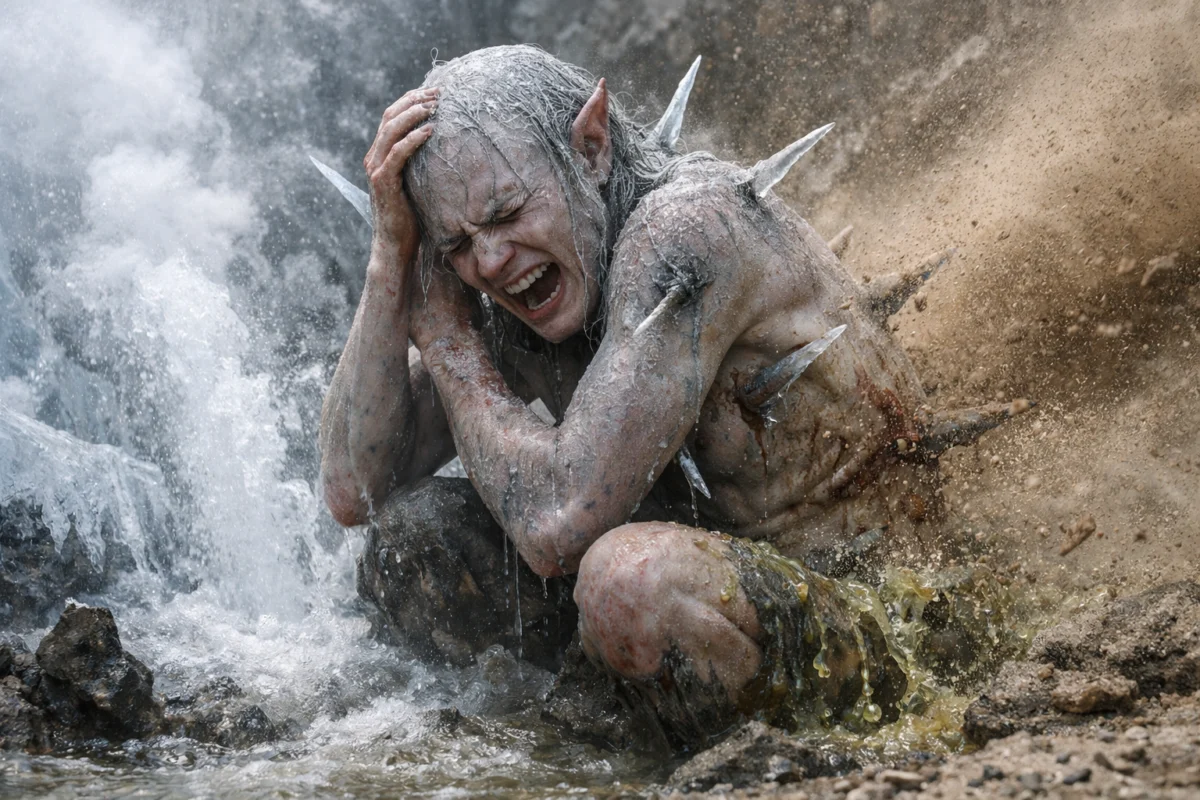
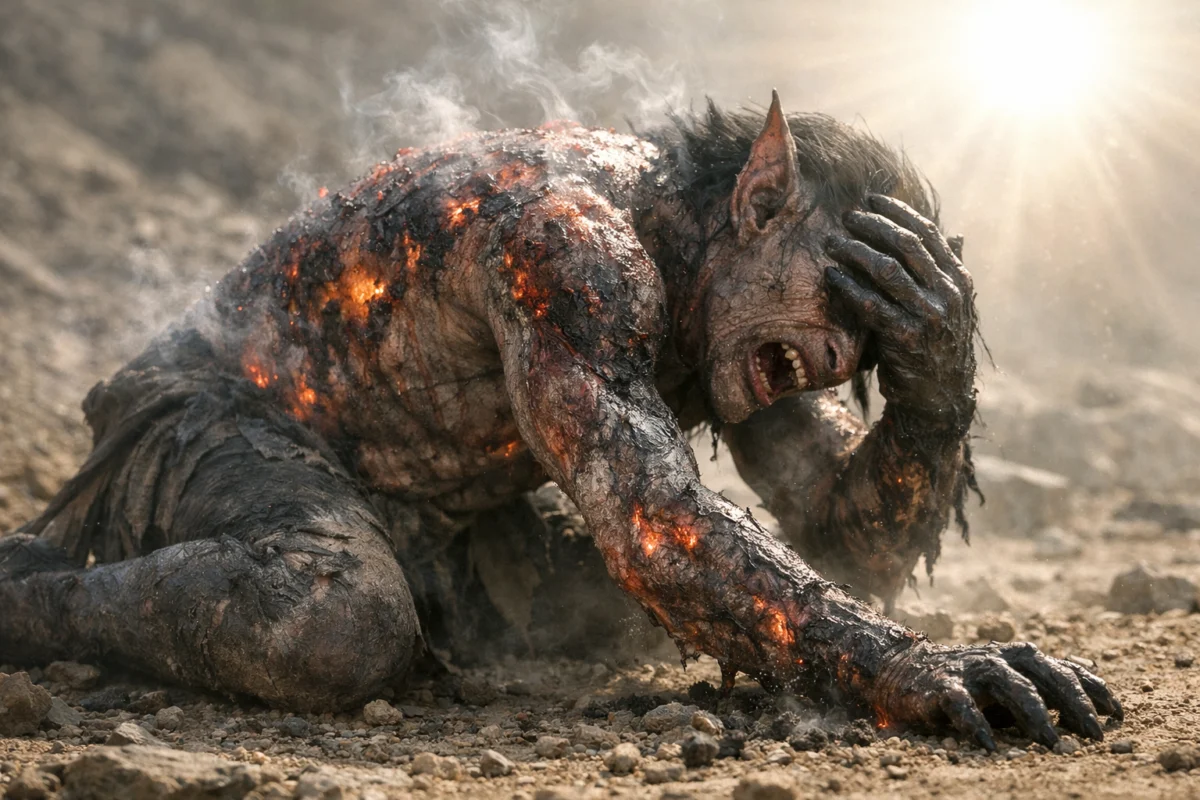
Pathfinder Roleplaying Game: Bestiary 3 includes an Adlet monster entry. The game changes the Inuit dog-legged being into a snowy, wolf-like humanoid with cold powers, combat statistics, a spear, arctic terrain movement, and fire vulnerability.
Pathfinder Second Edition also uses Adlet as a game creature. Archives of Nethys lists it in Monster Core 2, gives it dog-like legs and tails, and adds abilities such as Wolfstorm, Avenging Bite, cold immunity, and fire weakness.
Adlet of Inuits – Half-Man, Half-Dog Creatures That Feasted on Inuit Villages is a children’s mythology eBook by Professor Beaver. Barnes & Noble lists it under kids’ myths and fables, showing the Adlet in modern educational folklore publishing.
Mythlok presents the Adlet as “The Inuit Werewolf,” a modern online label that makes the creature more familiar to horror and monster fans. This framing works as pop mythology, but it simplifies the older dog-human ancestry tradition. (Mythlok)
Conclusion
The Adlet survive because they are more complex than a simple Arctic monster. Their stories combine fear, family, hunger, outsiders, and animal ancestry, then place those tensions beyond the edge of ordinary settlement.
Boas, Kroeber, and Rink show that the tradition shifted by region. Sometimes the Adlet explain inland peoples. Sometimes they belong to an origin story about Europeans.
Sometimes they appear as dangerous neighbors in a survival tale.
Modern culture sometimes turns them into wolf-men, game monsters, or horror creatures. The older material feels stranger and more human.
The Adlet are frightening because they begin inside a family, then carry that broken family into the wilderness.
Further Reading
The Central Eskimo by Franz Boas, Smithsonian Repository, 1889.
Primary scholarly source for Niviarsiang, Ijirqang, Adlet, Qadlunait, Baffin Land context, and publication metadata.
https://repository.si.edu/items/f9426c62-fd82-40bd-8232-63d9dd8992b2
The Central Eskimo by Franz Boas, Project Gutenberg, 1889 text edition.
Readable full-text version used for Adlet story quotes, body description, regional names, and tale structure.
https://www.gutenberg.org/files/42084/42084-h/42084-h.htm
Tales of the Smith Sound Eskimo by A. L. Kroeber, Journal of American Folk-Lore, 1899.
Original source for The Woman Who Married a Dog and The Tornit and the Adlit.
https://www.jstor.org/stable/534175
The Girl and the Dogs: An Eskimo Folk-Tale with Comments by Signe Rink, American Anthropologist, 1898.
Explains the Greenlandic version, Adlet or Adlat naming, Qavdlunait, Irqigdlit, and “the others” meaning.
https://www.kb.dk/e-mat/dod/130021033260.pdf
Adlet (mythology) by Richard Sheposh, EBSCO Research Starters, 2023.
Secondary overview used to cross-check Adlet appearance, regions, dog-human origin, and modern summary claims.
https://www.ebsco.com/research-starters/history/adlet-mythology
Dogs in the Spiritual World of Traditional Inuit Society of Canada by Nobuhiro Kishigami, 1993.
Supports background on dogs, spirits, and Inuit cultural meaning behind canine-human mythic boundaries.
https://minpaku.repo.nii.ac.jp/record/7380/files/KN_HNS_1993_p15-26.pdf
Adlet – Monsters by Archives of Nethys, Pathfinder RPG Database.
Modern culture source for the Pathfinder first-edition Adlet monster, cold abilities, and fire weakness.
https://www.aonprd.com/MonsterDisplay.aspx?ItemName=Adlet
Adlet – Monsters by Archives of Nethys, Pathfinder Second Edition Database.
Modern culture source for the second-edition Adlet creature and game-mechanics reinterpretation.
https://2e.aonprd.com/Monsters.aspx?ID=4011
Adlet of Inuits – Half-Man, Half-Dog Creatures That Feasted on Inuit Villages by Professor Beaver, Barnes & Noble.
Modern children’s mythology listing showing Adlet in educational folklore publishing and kid-focused retellings.
https://www.barnesandnoble.com/w/adlet-of-inuits-half-man-half-dog-creatures-that-feasted-on-inuit-villages-mythology-for-kids-true-canadian-mythology-legends-folklore-professor-beaver/1138517455
Adlet: The Inuit Werewolf Legends of the North by Mythlok.
Modern web example showing how Adlet get reframed as werewolf-like creatures in pop mythology.
https://mythlok.com/adlet/
Werewolf by Encyclopaedia Britannica.
Used only for comparison with werewolves, especially the transformation difference between werewolves and Adlet.
https://www.britannica.com/art/werewolf
Argentina Has a Superstition That Seventh Sons Will Turn into Werewolves by Smithsonian Magazine, 2014.
Used for Lobisón comparison and the seventh-son werewolf tradition in modern South American folklore.
https://www.smithsonianmag.com/smart-news/argentina-has-superstition-7th-sons-will-turn-werewolves-180953746/