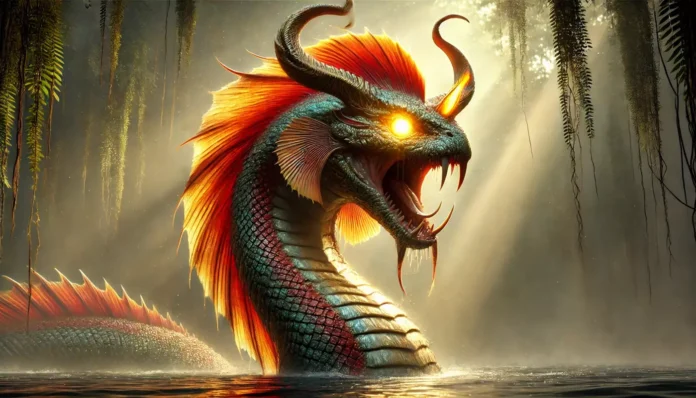
Overview of the Pre-Colonial North America Period
“Pre-Colonial North America” describes the continent’s diverse histories before sustained European colonization, rather than one unified era. Its boundaries vary regionally because colonization began at different times and proceeded unevenly.
Indigenous societies included Mississippian communities, Pueblo peoples, Haudenosaunee nations, Inuit communities, and many others. These names encompass distinct political histories and languages, not a single cultural or religious system.
Settled agriculture, seasonal mobility, trade, and urban centers shaped different lifeways across the continent. Such variation matters because supernatural beings belonged to particular landscapes, communities, and historical traditions.
Mythological knowledge helped communities interpret relationships among humans, animals, ancestors, and places. Its importance cannot be separated from locally grounded practices of subsistence, kinship, governance, and remembrance.
Cultural and Religious Worldviews
Dominant Belief Systems
No single belief system dominated pre-colonial North America. Religious ideas differed among nations and changed over time, so continent-wide generalizations risk obscuring meaningful differences in cosmology.
Many recorded Indigenous traditions describe humans as participants in relationships with animals, spirits, ancestors, or powerful places. The details vary, and surviving documentation does not establish one shared doctrine.
Some societies represented the cosmos through layered regions or directional relationships. These structures are documented in particular cultural contexts, but cannot safely be treated as universal Indigenous models.
Animals could possess agency or spiritual significance within specific traditions. Such understandings do not imply that all communities regarded animals identically or classified them as supernatural beings.
Role of Myth in Daily Life
Stories could transmit community knowledge about conduct, kinship, origins, or relations with the environment. Their social function depended on the audience and tradition, rather than following one continental pattern.
Some narratives explain why particular customs or social relationships matter. Their interpretation requires attention to cultural context, since similar story motifs may carry different meanings between communities.
Storytelling could strengthen collective identity by connecting people to ancestors, homelands, or shared events. Evidence rarely permits precise reconstruction of how every narrative functioned in daily life.
Mythological Beasts and Supernatural Entities
Common Types of Mythical Creatures
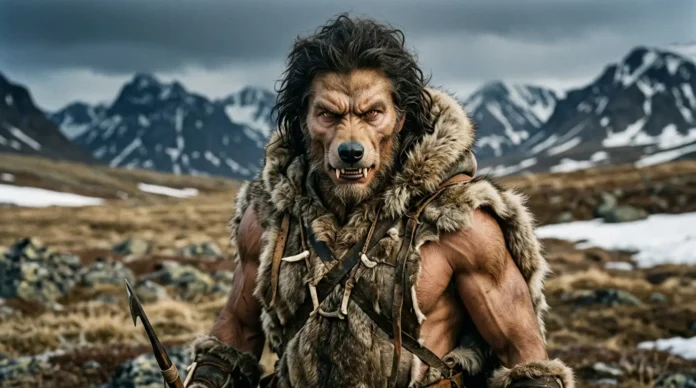
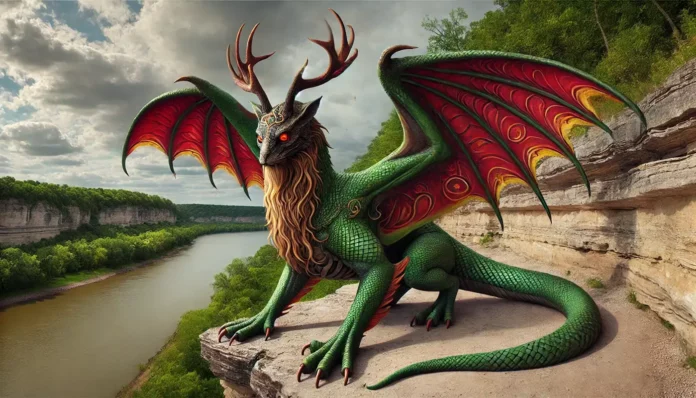
Recorded traditions include animal persons, transformative beings, dangerous spirits, and powerful entities associated with particular places. These categories are analytical descriptions, not a shared Indigenous taxonomy.
Some narratives feature beings whose forms or identities shift between human and animal. Their classification differs among traditions, so transformation should not be assumed to mean the same thing everywhere.
Water-associated beings appear in multiple regional traditions, but their names and roles differ. Treating them as one pan-Indigenous creature would erase distinctions in local belief and storytelling.
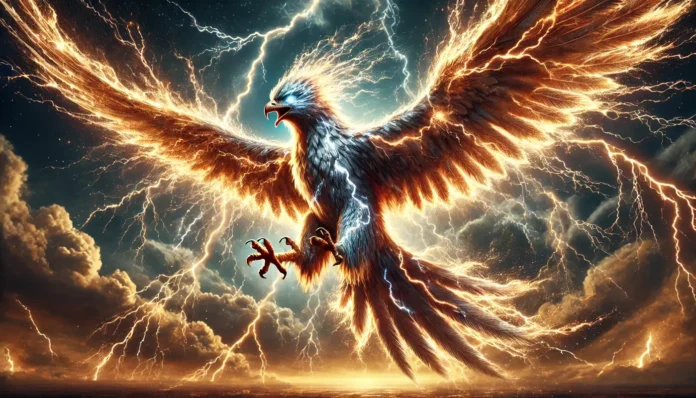
Thunder beings are documented in several Indigenous cultural settings. Their meanings and relationships with other powers vary, and surviving accounts do not justify a single continent-wide interpretation.
Symbolism and Meaning
A creature’s significance often arose from its relationship to a specific landscape or livelihood. This connection makes regional context essential when interpreting animal or spirit imagery.
Some beings express cultural concerns about boundaries between human communities and other forms of agency. This is an interpretive framework, not proof that every tradition used creatures symbolically.
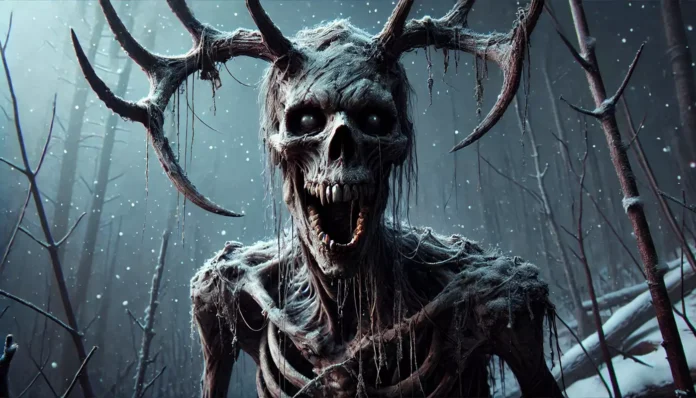
Dangerous entities could mark risks associated with particular places or conduct in some narratives. Their presence should not be reduced to psychological symbolism without community-specific evidence.
Folklore Traditions and Storytelling
Oral and Written Transmission
Oral transmission was central to many Indigenous storytelling traditions. Narratives could be remembered and retold through community practices, although specific performance conventions are not equally documented.
Some North American societies used systems of inscription, notation, or pictorial record. These forms should not automatically be equated with alphabetic writing or treated as direct transcripts of spoken myths.
Much surviving written documentation was recorded after European contact. Such sources can preserve important knowledge, but translation, transcription, and colonial circumstances complicate historical interpretation.
No verified sources describe this for every community or period. Claims about particular storytelling settings require evidence tied to the people, date, and region concerned.
Regional Variations
In the Arctic, Inuit traditions developed within distinctive environments and histories. Their beings and narratives cannot be combined casually with those of agricultural societies farther south.
Pueblo communities of the Southwest maintained traditions rooted in their own settlements and ceremonial histories. These differ from northeastern Haudenosaunee traditions in language, place, and cultural framing.
Mississippian imagery provides material evidence for religious concepts, but objects alone rarely identify a specific narrative. Interpretation must distinguish archaeological inference from recorded oral tradition.
Regional differences are not merely variations on one common mythology. Shared motifs, where documented, do not establish identical meanings or historical relationships between cultures.
Relationship Between Humans and the Mythical World
Fear, Protection, and Reverence
Some supernatural beings were approached with caution because narratives associated them with danger. The degree and meaning of that danger depended on a particular tradition’s accounts.
Other beings could be understood as protectors or sources of assistance in specific contexts. It would be inaccurate to classify all powerful entities as benevolent guardians.
Relationships with nonhuman powers could express obligations between people and their surroundings. This interpretation is supported in some contexts, but should not be generalized across Indigenous societies.
Some stories connect unusual beings with rules governing conduct or social relations. Their moral function must be established from culturally situated evidence rather than inferred from creature categories alone.
Influence on Art and Material Culture
Animal and supernatural imagery appears in archaeological materials from several regions. A depicted figure does not, by itself, establish the name or narrative identity of a being.
Mississippian engraved shell and copper objects include imagery interpreted by researchers as religiously significant. Specific meanings remain debated because material evidence rarely explains its own symbolic context.
Architecture and monumental landscapes could express cosmological relationships in particular societies. Claims connecting a structure to a specific myth require evidence beyond resemblance or modern interpretation.
Clothing, tools, and ceremonial objects may carry culturally meaningful designs. Their significance cannot be reconstructed reliably without contextual evidence about makers, use, and community interpretation.
Transition and Legacy of the Pre-Colonial North America Period
European colonization transformed many Indigenous communities through disease, displacement, missionization, and political pressure. These changes affected the conditions under which traditions could be transmitted and documented.
Indigenous storytelling did not simply disappear after colonization. Communities continued adapting and maintaining traditions, although particular histories differ and should not be compressed into one outcome.
Later folklore records may combine Indigenous knowledge with colonial interpretation or translation. Researchers therefore distinguish community continuity from the changing forms through which outsiders recorded it.
Contemporary Indigenous accounts can preserve living traditions, but they are not interchangeable with evidence for every pre-colonial period. Historical continuity requires careful, specific documentation.
Historical Reliability and Interpretation
Archaeology, oral histories, colonial-era documents, and ethnographic records provide different kinds of evidence. None independently supplies a complete account of pre-colonial belief systems.
Colonial documents may misrepresent Indigenous concepts through unfamiliar languages or religious assumptions. Their descriptions require comparison with community knowledge and other relevant evidence where available.
Archaeological objects reveal material practices but seldom disclose the full meanings assigned by their makers. Symbolic interpretations should therefore be identified as interpretations, not established facts.
Historical distinctions between belief, narrative, and material evidence matter for taxonomy. A creature recorded in a later account cannot automatically be assigned to every earlier community.
Because sources are uneven, uncertainty must remain explicit. Responsible classification identifies the specific people, region, and evidence involved rather than presenting North America as one mythological tradition.