Introduction
The Grindylow is a creature rooted in English folklore, particularly associated with the Yorkshire and Lancashire regions. This aquatic being is often depicted as a menace to children, residing in murky waters.
Grindylows are considered part of a broader category of water spirits found in various European mythologies. They share characteristics with creatures like the Scottish kelpie and the Germanic nixie, all known for their aquatic habitats.
These creatures are typically used in cautionary tales, warning children of the dangers lurking in water bodies. Such stories likely served as a means to keep children away from potentially hazardous areas.
Despite their fearsome reputation, Grindylows have also captured the imagination of modern culture, appearing in literature and media. Their role in folklore continues to intrigue those interested in mythological studies.
History/Origin
The Grindylow belongs to regional English folklore, particularly in the marshlands and waterways of Yorkshire and Lancashire in northern England.
Unlike medieval bestiary creatures, the Grindylow does not appear prominently in illuminated manuscripts or classical myth collections. Instead, it survives primarily through oral tradition, passed between rural communities as a cautionary tale tied to real environmental danger.
The earliest documented references emerge in 19th-century folklore collections, where local storytellers described a small, malevolent water spirit that lurked in stagnant pools, canals, and muddy riverbanks.
These accounts emphasize their function rather than their mythology. The Grindylow existed to explain sudden drownings, missing children, or unseen movement in murky water.
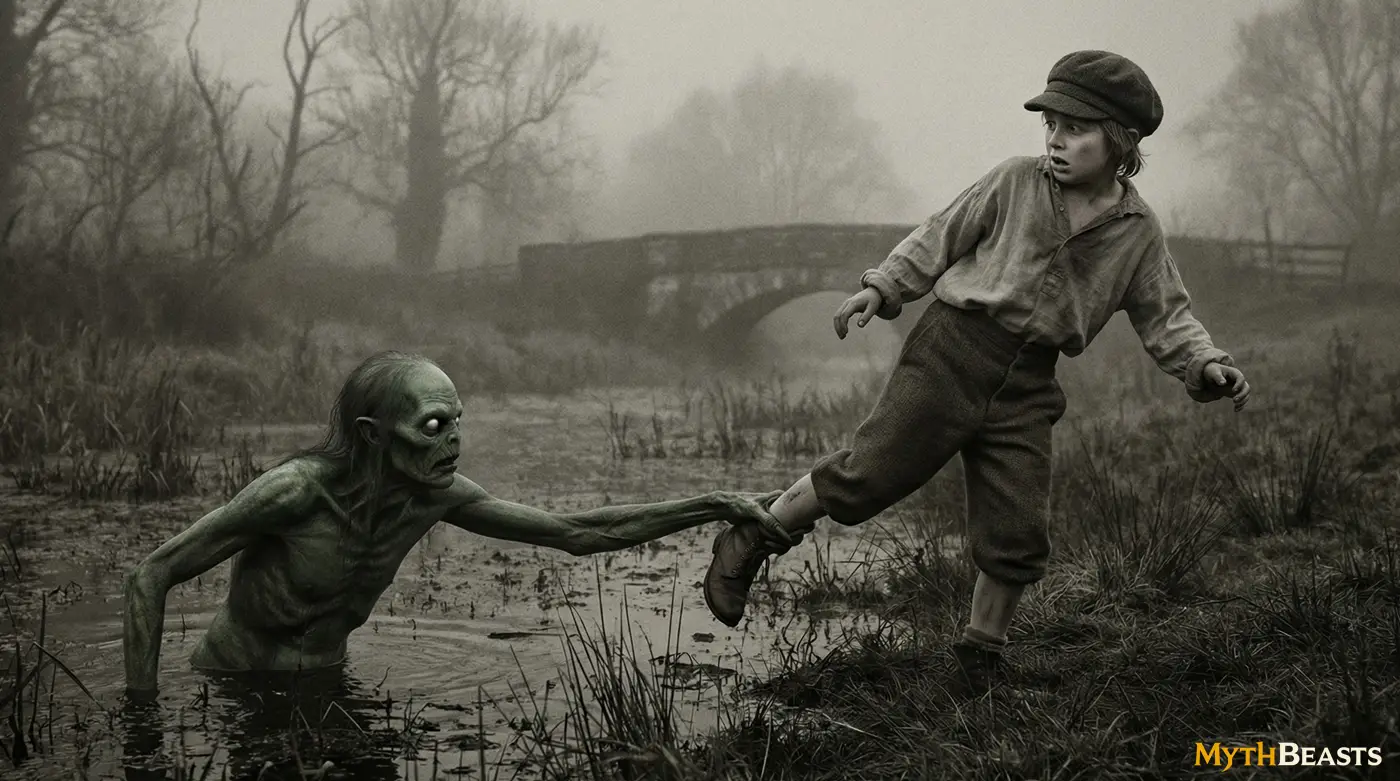
Importantly, the creature belongs to a wider northern European tradition of freshwater spirits, but it remains distinctly English in tone and scale.
Unlike the grand river deities of Slavic lore or the shape-shifting Nøkk of Scandinavia, the Grindylow is intimate and local. It is a creature of village ponds and neglected marshes.
Its origin reflects landscape-specific fear, not epic myth.
Name Meaning
The name “Grindylow” is believed to derive from the Old English words “grynde” or “grindan,” which mean to grind or crush. This etymology reflects the creature’s menacing nature.
Another possible origin for the name is the Old Norse word “grindill,” which could refer to a gate or barrier. This suggests a connection to the creature’s role in guarding watery realms.
The suffix “low” might be linked to the Old English “hlaw,” meaning hill or burial mound. This could imply a connection to ancient burial practices or sacred sites near water bodies.
While the exact etymology remains uncertain, the name Grindylow consistently evokes a sense of danger and mystery, fitting for a creature of folklore.
Appearance
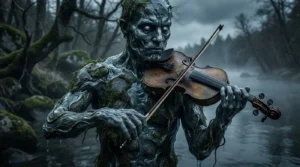
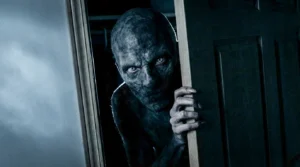
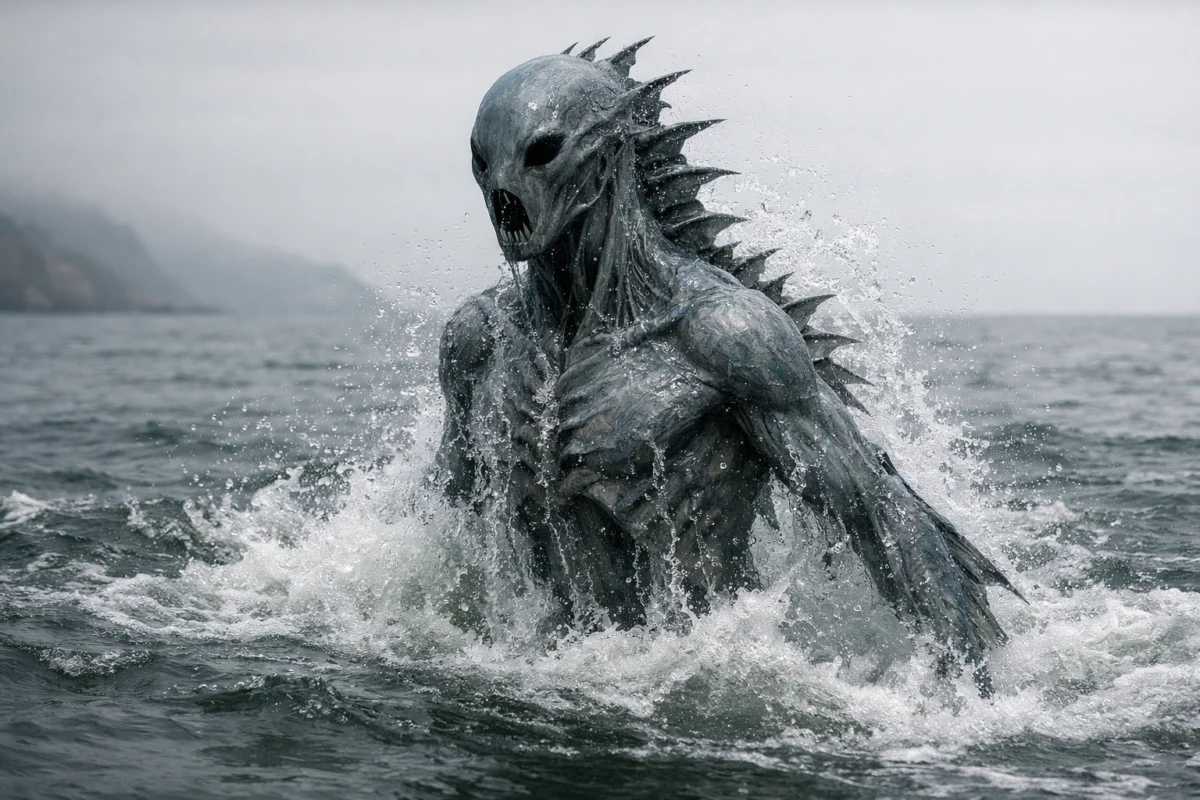
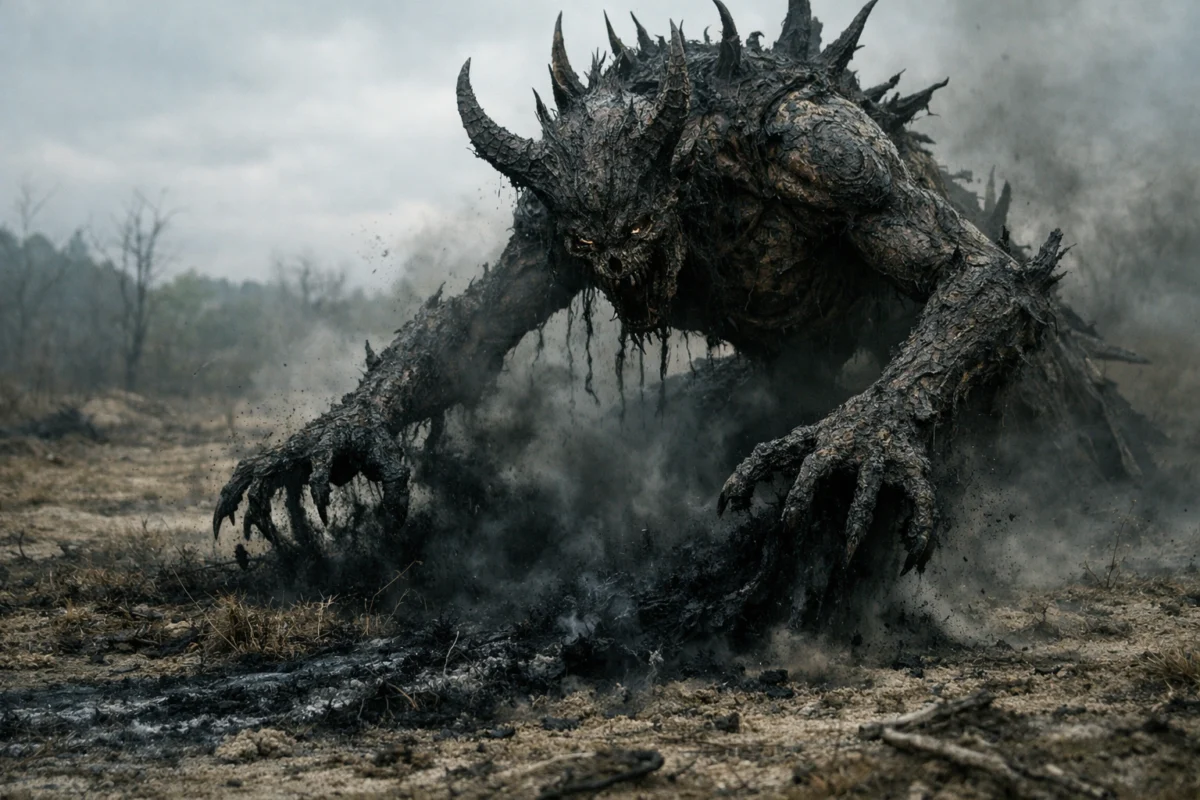
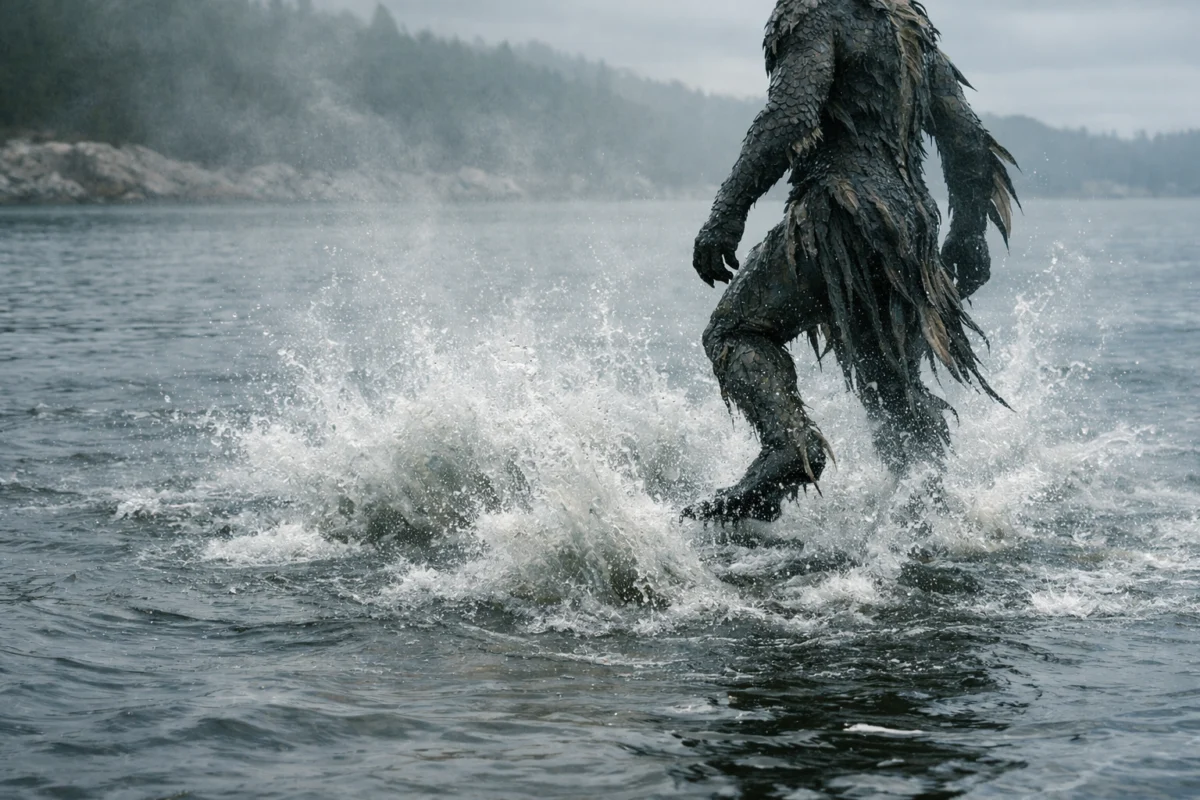
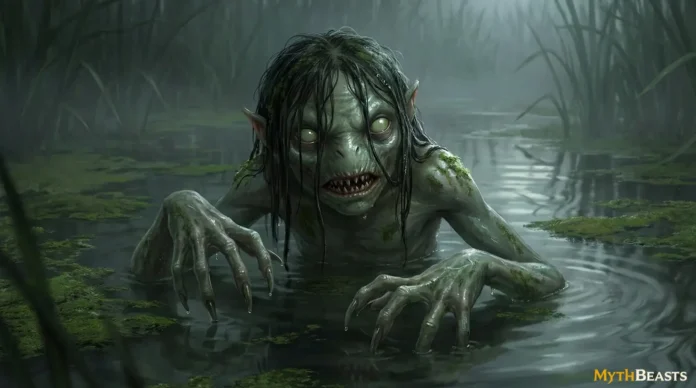
In traditional English folklore, the Grindylow is described as a small, humanoid water creature with a slimy or moss-covered body adapted to marsh environments.
Accounts consistently mention long, sinewy arms and strong fingers, capable of gripping prey and pulling it beneath the water’s surface. Its skin is often imagined as greenish, gray, or mud-colored, blending with reeds and algae.
Unlike modern fantasy portrayals, early descriptions do not emphasize elaborate facial features, armor, or monstrous exaggeration. The creature is not enormous.
It is not a dragonlike predator. It is closer in scale to a goblin or emaciated child-sized spirit. Its menace lies in stealth rather than strength.
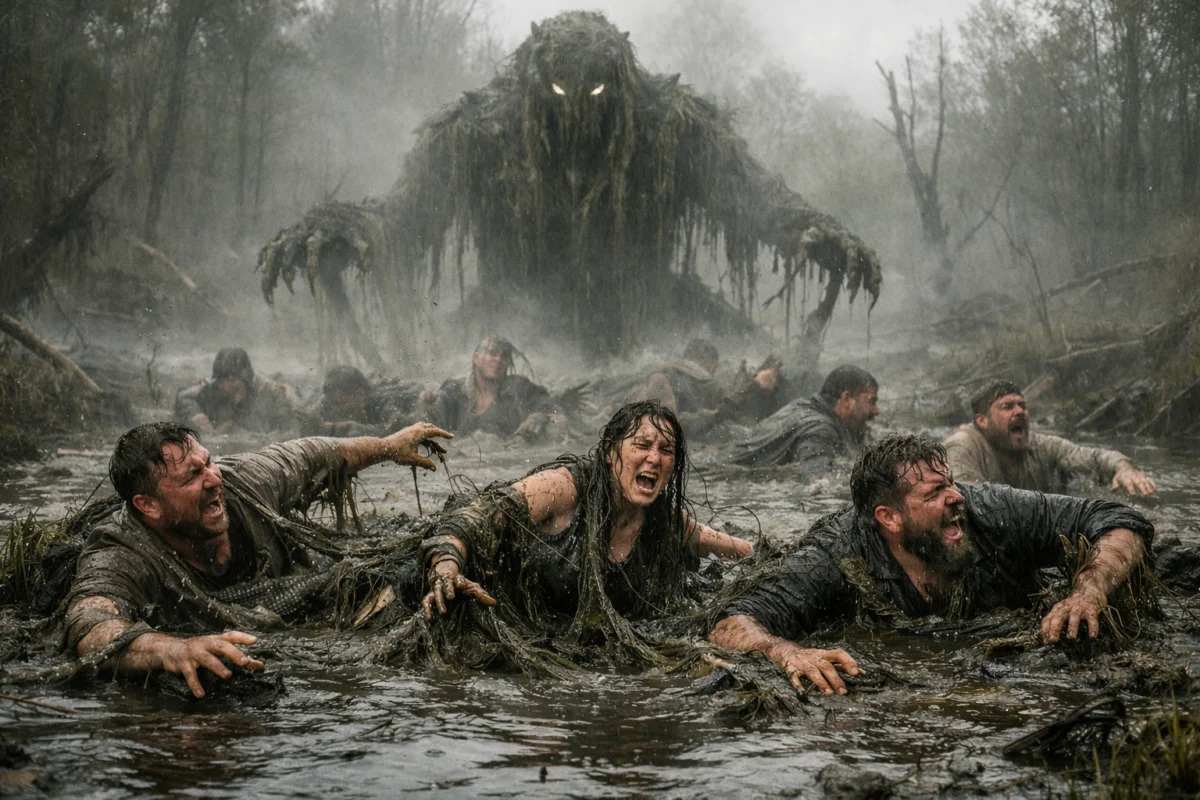
Its habitat shapes its form. Tangled weeds, murky depths, and stagnant ponds define its aesthetic. Some traditions describe webbed limbs or dripping hair, but these details vary.
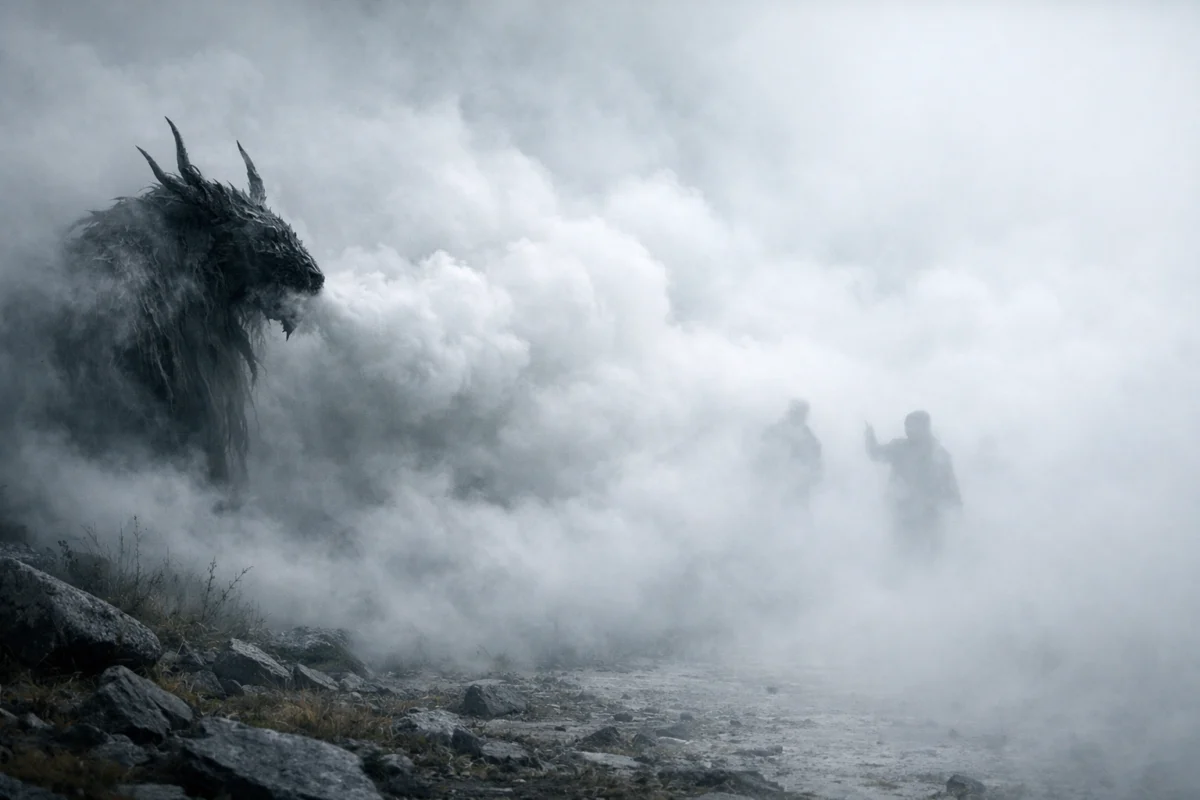
What remains constant is its ambiguity. The Grindylow is glimpsed briefly before its disappearance. It is rarely fully seen.
Folklore preserves an impression of anatomical precision.
Background Story
The Grindylow functions primarily as a cautionary water spirit, used to warn children against wandering too close to ponds, canals, and marshes. In rural northern England, waterways were unpredictable and often deadly.
Sudden drop-offs, hidden currents, and thick weeds could trap even strong swimmers. The Grindylow personified these risks.
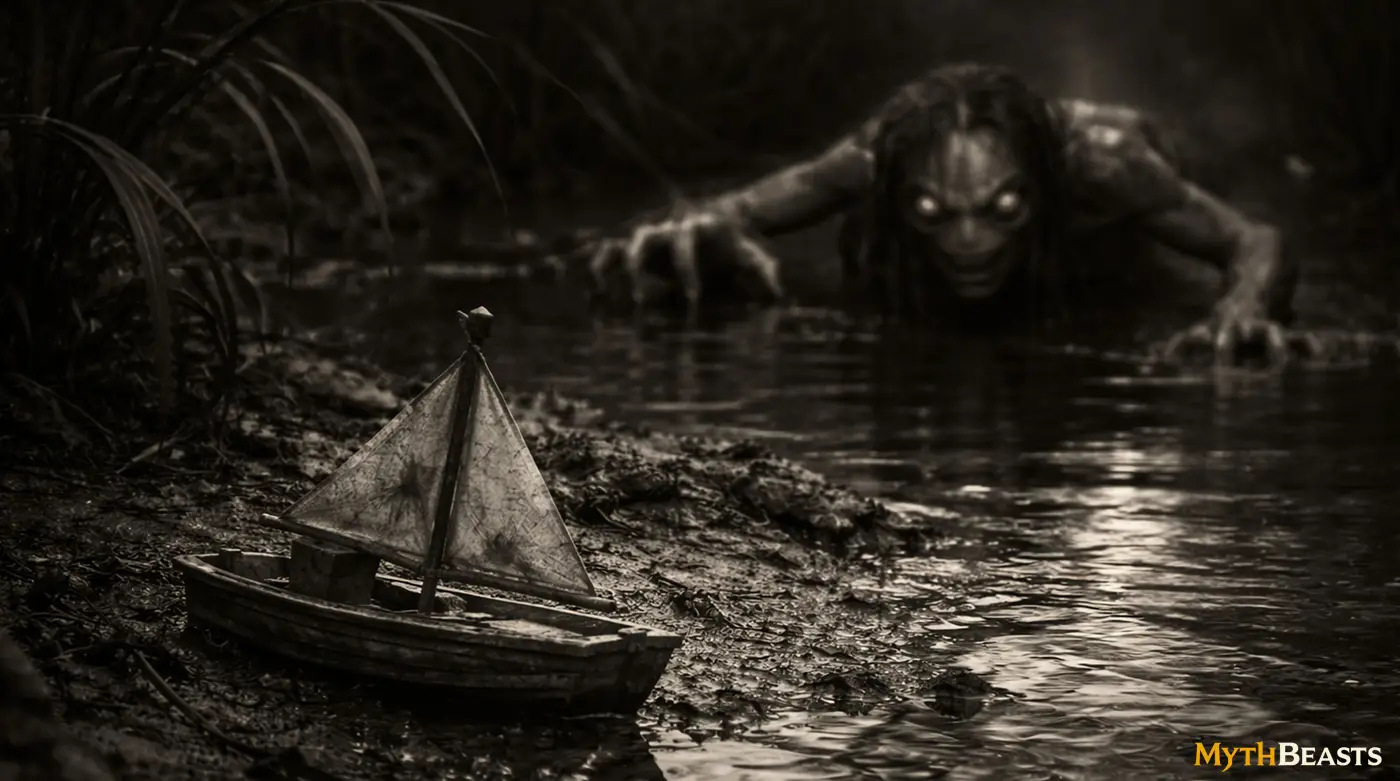
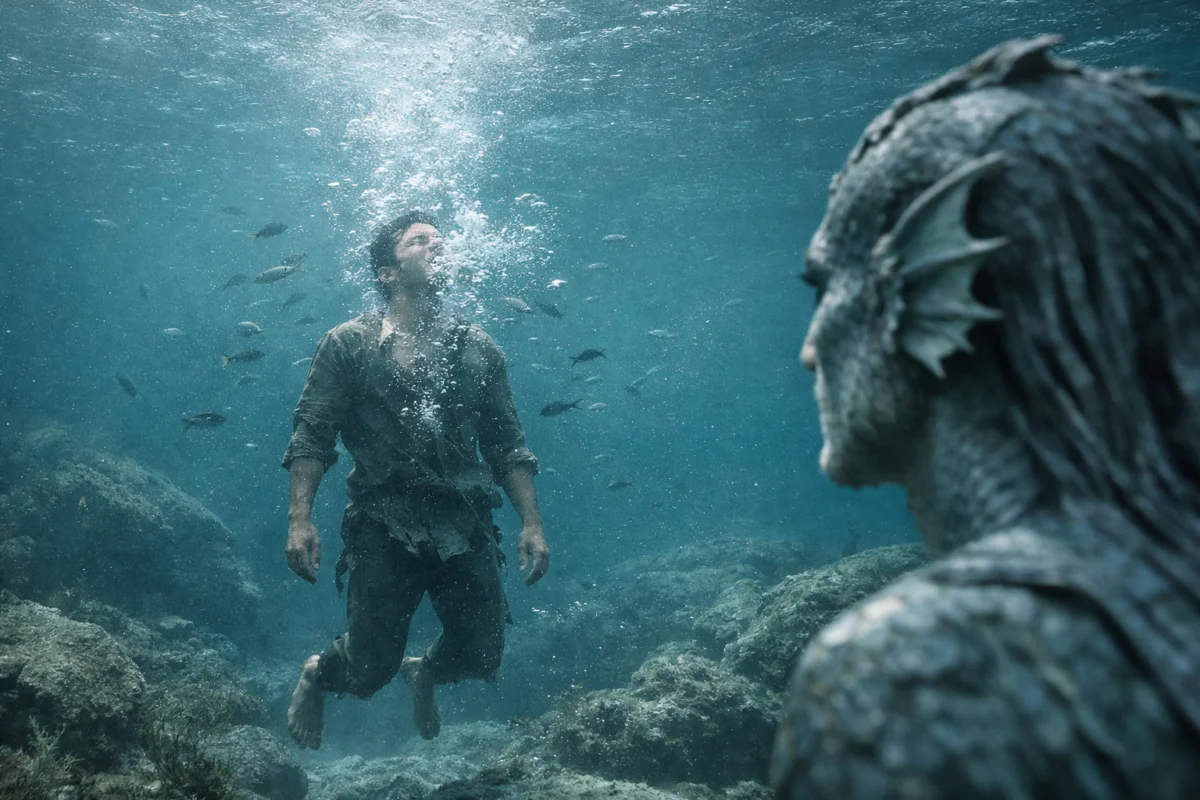
Stories typically describe a child leaning too close to the water’s edge, only to feel unseen hands grasp their ankles. The creature pulls downward, silently and swiftly.
There is no elaborate battle, no dialogue. The danger is immediate and practical. Survival depends on distance from the water, not heroism.
Unlike mythic beings tied to cosmic symbolism, the Grindylow operates on a local scale. It is not worshiped, bargained with, or summoned.
It exists as an environmental warning. Its narrative role aligns with similar English figures such as Jenny Greenteeth.
The background stories are brief, repetitive, and instructional. Their purpose was behavioral control, not mythic grandeur.
Famous Folklore Stories
The Grindylow of Yorkshire
The Grindylow is often associated with the folklore of Yorkshire, England. In tales from this region, Grindylows are depicted as aquatic creatures lurking in ponds and marshes, waiting to snatch misbehaving children.
These stories served as cautionary tales, warning children to stay away from dangerous waters. The Grindylow was described as having long, sinewy arms, perfect for pulling unsuspecting victims into the depths.
Such tales were particularly prevalent during the 19th century, reflecting societal concerns about child safety near water. The stories were passed down orally, often shared around firesides to instill caution in children.
The Lancashire Grindylow
In Lancashire, the Grindylow also appears in local folklore, with similar traits to its Yorkshire counterpart. The creature is said to inhabit the murky waters of the region’s bogs and fens, preying on unwary children.
These stories were part of a broader tradition of water spirits in British folklore, emphasizing the dangers of natural water bodies. The Grindylow was often blamed for mysterious drownings or disappearances.
Though the stories varied slightly, the core message remained consistent: respect the water, or face the consequences. Such tales were crucial in communities reliant on agriculture and fishing.
Cultural Impact
The Grindylow has had a notable impact on British folklore, serving as a symbol of the dangers associated with water bodies. Historically, it was a tool for parents to caution children against playing near perilous waters.
In modern times, the Grindylow has been reinterpreted in various cultural contexts, appearing in literature and media. Its depiction in popular culture often emphasizes its eerie and menacing characteristics.
Modern scholars view the Grindylow as a reflection of societal fears, particularly concerning child safety and the unpredictability of nature. These interpretations highlight the creature’s role in cultural storytelling.
The Grindylow’s presence in literature has expanded beyond folklore, appearing in fantasy novels and films. This modern portrayal often includes magical elements, enhancing its mythical status.
Despite these modern adaptations, the Grindylow remains rooted in its original folklore context, symbolizing the enduring power of myth in shaping cultural narratives and societal values.
Similar Beasts
Grindylow compared to Kelpie and Nixie
| Aspect | Grindylow | Kelpie | Nixie |
|---|---|---|---|
| Region | Primarily found in Yorkshire and Lancashire regions of England. | Commonly associated with Scottish folklore and the Highlands. | Linked to Germanic folklore, often found in riverine settings. |
| Habitat | Resides in murky waters, often near lakes and marshes. | Typically inhabits lochs and rivers, especially in Scotland. | Dwells in freshwater bodies, particularly rivers and streams. |
| Appearance | Often depicted as a small, greenish creature with long fingers. | Usually portrayed as a horse-like creature with aquatic features. | Described as a beautiful maiden, often with fish-like traits. |
| Behavior | Known for being mischievous and threatening to children. | Can be both benevolent and malevolent, depending on the tale. | Generally seen as playful but can be dangerous if provoked. |
| Cultural Significance | Used in cautionary tales to warn children about water dangers. | Symbolizes the dual nature of water, both nurturing and perilous. | Represents the allure and risks associated with water bodies. |
| Modern Depictions | Appears in various modern stories, including films and books. | Featured in folklore-inspired literature and contemporary adaptations. | Often included in fantasy genres, showcasing their mythical nature. |
Kelpie

Kelpies are water spirits from Scottish folklore, often depicted as shape-shifting horses. Like the Grindylow, they are associated with water and are known for luring individuals to their doom in deep waters. Read More
Nixies
Nixies, from Germanic folklore, are water spirits similar to Grindylows. They inhabit rivers and lakes, sometimes appearing as beautiful maidens. They share the Grindylow’s association with water and danger.
Boggart

Boggarts are mischievous spirits in English folklore, sometimes linked to water. While not exclusively aquatic, their unpredictable nature and potential for harm resonate with Grindylow characteristics.
Jenny Greenteeth
Jenny Greenteeth is another water spirit from English folklore, known for dragging children into ponds. Her green skin and predatory nature align her closely with the Grindylow’s menacing traits.
Selkie
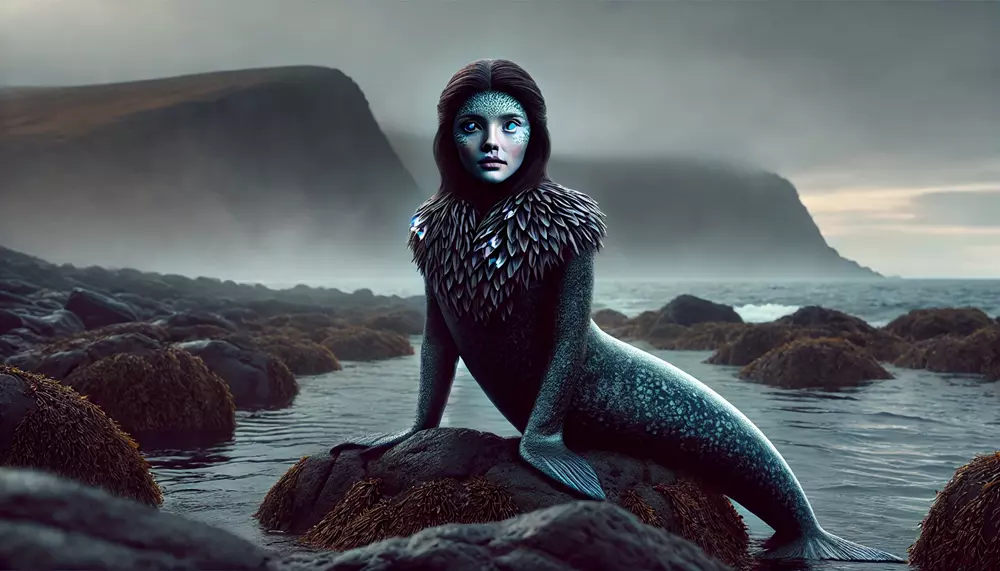
Selkies, from Scottish and Irish folklore, are seal-like creatures that can shed their skins to become human. While not malevolent, their connection to water and transformation echoes the Grindylow’s mysterious nature. Read More
Grindylow Compared to the Harry Potter Version
Folklore Grindylow
In Northern English folklore, the Grindylow is a small, lurking water spirit tied to ponds, bogs, and slow rivers. Stories use it as a warning sign for dangerous water and soft ground.
The folklore version reads like folk horror: gaunt humanoid shape, slick skin, long grabbing fingers, and a habit of hiding in weed and murk.
Its power in the story is not magic rules or spells. It is atmosphere and fear. It turns a real hazard into a creature kids remember.
Harry Potter Grindylow in the Books
Rowling keeps the Northern English link, but frames the Grindylow as a creature you can physically encounter underwater. In the Goblet of Fire passage you shared, it is described as a small water demon with long fingers and fangs, appearing from weed and grabbing hold during an underwater moment.
That puts the creature into an action beat rather than a campfire warning. It becomes a direct obstacle in a scene.
Harry Potter Grindylow in the Films
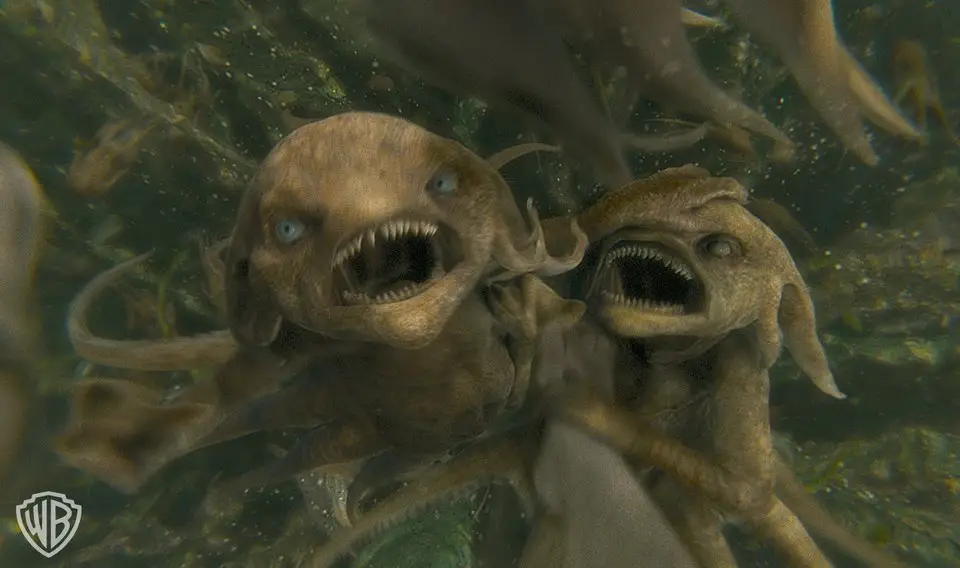
The film pipeline pushes the Grindylow even further from folklore. The production approach described in your text shows wide concept exploration, then a clear design target: a humanoid upper body with piranha-like teeth, plus a tentacled lower body, often summarized as a nasty child crossed with an octopus.
Technical choices also shape the final look: digital maquettes, custom shaders for translucent skin, and animation systems for tentacle motion and swarm behavior. Those choices prioritize readability on screen and dynamic movement underwater.
What Changed and Why
Folklore uses the Grindylow to explain fear of water and enforce caution. Harry Potter keeps the name and aquatic threat, but turns it into a creature with an engineered screen design.
The book version stays closer to a grabby water demon. The film version becomes a tentacled, digitally animated predator built for fast underwater action.
Grindylow Compared to the Harry Potter Version
| Feature | Folklore Grindylow | Harry Potter Book Version | Harry Potter Film Version |
|---|---|---|---|
| Origin | Northern English folklore | Inspired by Northern English lore | Reimagined by film design teams |
| Story role | Warning figure tied to real hazards | Underwater threat in a set piece | Action creature built for visuals |
| Typical look | Small humanoid, spindly limbs, clawed fingers | Small water demon, long fingers, fangs | Humanoid top, tentacled lower body, exaggerated teeth |
| Mood | Rural dread, unseen danger | Suspense during an encounter | High-energy attack beats |
| Symbolism | Water danger and local fear | Magical world obstacle | Spectacle and movement underwater |
| Design driver | Oral tradition and place | Text description | Concept art, maquettes, VFX, animation systems |
Religion/Ritual
No verified sources describe rituals or religious practices involving the Grindylow. Its role in folklore was primarily as a cautionary figure, not a subject of worship or ritualistic significance.
While some may speculate about possible rituals, there is no historical evidence supporting such claims. The Grindylow’s impact remains within the realm of folklore and cautionary tales.
The lack of religious or ritualistic context suggests the Grindylow was more a product of cultural storytelling than spiritual belief. Its stories were designed to educate rather than invoke religious reverence.
Some modern interpretations might explore hypothetical rituals, but these are speculative and lack historical backing. The Grindylow’s presence in folklore remains its most significant contribution to cultural narratives.
Overall, the Grindylow’s absence from religious contexts underscores its role as a mythological creature rooted in practical caution, rather than spiritual or ritualistic traditions.
Scientific or Rational Explanations
Historians and anthropologists suggest that Grindylow legends may have originated from practical concerns about water safety. These tales served as early public safety warnings, emphasizing the risks associated with natural water bodies.
Some theories propose that the Grindylow stories were a means to explain mysterious drownings or disappearances, attributing them to a mythical creature rather than natural causes or accidents.
Anthropologists view the Grindylow as part of a broader tradition of water spirits in folklore, reflecting human attempts to personify and rationalize the unpredictable and often dangerous nature of water.
While the Grindylow is not based on any known animal, its characteristics may have been inspired by sightings of unfamiliar aquatic life, misunderstood through the lens of folklore and imagination.
These interpretations highlight the Grindylow’s role in cultural storytelling, serving as a narrative device to convey important safety messages and explain natural phenomena in a pre-scientific world.
Modern Cultural References
Harry Potter and the Goblet of Fire, film, directed by Mike Newell, 2005. The Grindylow appears as a water-dwelling creature in the Triwizard Tournament’s second task.
It poses a threat to the competitors. IMDB
Fantastic Beasts and Where to Find Them, book, J.K. Rowling, 2001. This fictional textbook includes Grindylows as part of the magical creatures studied by wizards, describing their habitat and behavior. Wizarding World
The Witcher 3: Wild Hunt, video game, CD Projekt Red, 2015. Grindylows are depicted as hostile aquatic creatures that players may encounter during their quests. Official Site
Doctor Who: The Waters of Mars, TV episode, BBC, 2009. Although not directly named, creatures reminiscent of Grindylows feature in this episode, contributing to the eerie atmosphere. BBC
The Last Apprentice: Curse of the Bane, novel, Joseph Delaney, 2005. Grindylows appear as menacing water spirits that the protagonist must confront, adding tension to the narrative. HarperCollins
Conclusion
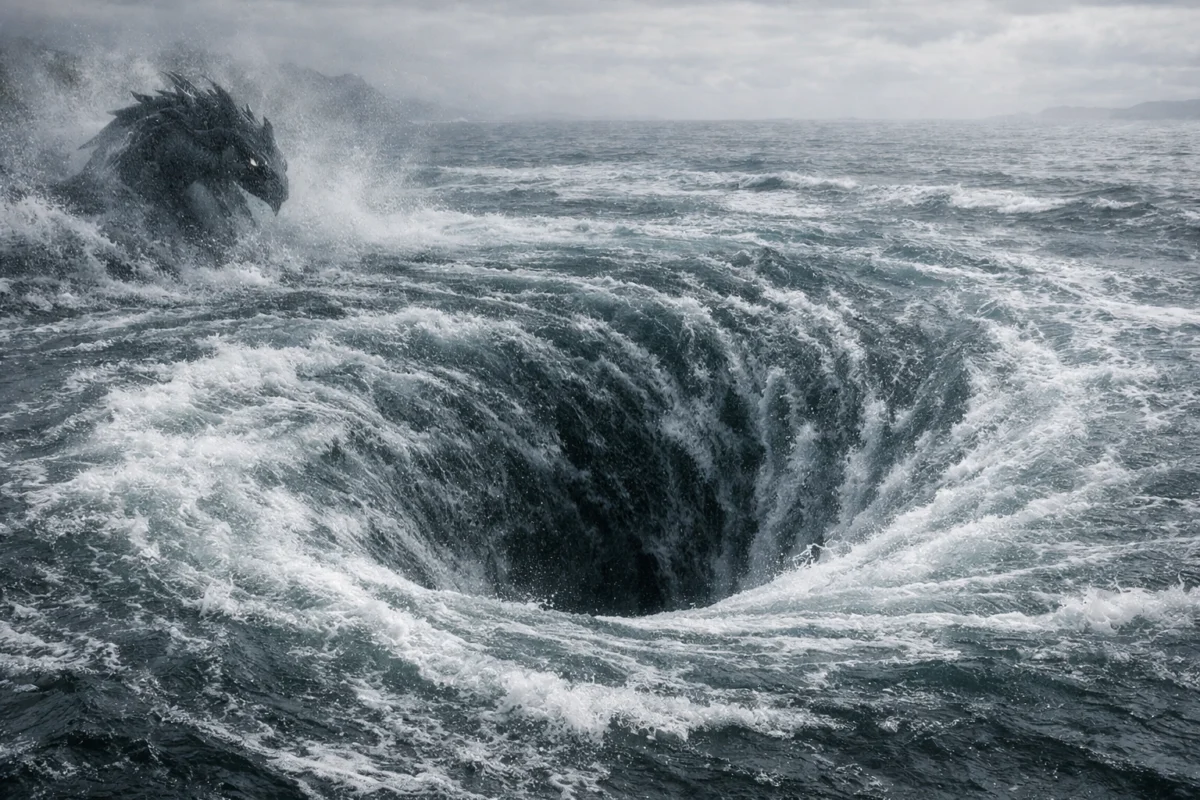
The Grindylow, a mythical water creature, has captivated imaginations with its sinister reputation. Often depicted as lurking in lakes and ponds, it embodies the fears associated with the unknown depths of water.
Its portrayal varies, but consistently, it serves as a warning against venturing into dangerous waters.
In modern culture, the Grindylow continues to inspire stories and adaptations. Its presence in literature, film, and games highlights its enduring appeal.
Symbolically, it represents the hidden dangers of nature, reminding us of the power and unpredictability of the natural world.
Further Reading
Elizabeth Mary Wright, Rustic Speech and Folk-lore (1913), section on “Grindylow, Jenny Green-teeth, and Nelly Long-arms”. Clear period source describing the Grindylow as a water demon that seizes children near pits, ponds, and wells. (Project Gutenberg)
William Henderson, Notes on the Folk-lore of the Northern Counties of England and the Borders (1879 edition). Classic Folklore Society era collection for Northern England water bogies and related traditions. (Internet Archive)
Michael Aislabie Denham, The Denham Tracts (edited for the Folklore Society, late 19th century; scans available). Useful for regional bogey and water-spirit naming clusters that sit near Grindylow lore. (Internet Archive)
Harry Potter film design context and the Hogwarts lake version: Monster Legacy’s article on lake denizens, including Grindylows and the film design process. (Monster Legacy)