back to top

Basque

Basque mythology embodies a worldview of nature-centric spirituality and unique mythic beings shaping their cultural identity.

Relevant Beasts

Basque
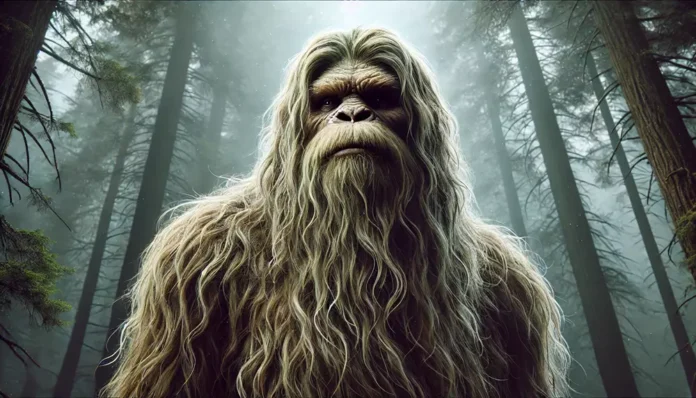
Forest Guardian
Basajaun - Spain Mythlogoy
Basque

Basajaun

Basajaun is a wild hairy giant from Basque folklore, a guardian of the forests and livestock.

  • Skills
Control & SummoningNature Control
  • Weaknesses
Element SensitivitiesFire Vulnerable
Basque
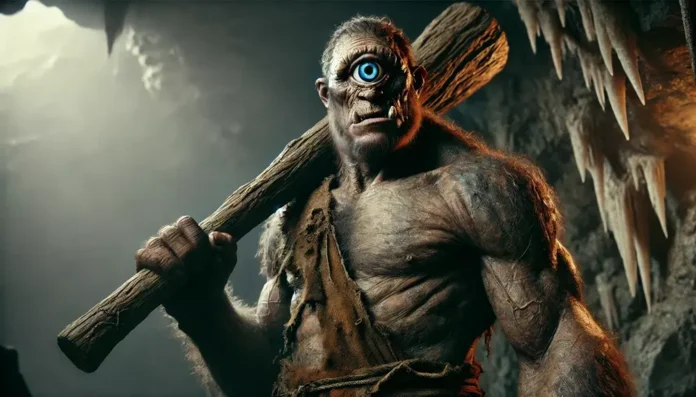
Cyclopean Form
Tartalo - Basque folklore
Basque

Tartalo

Tartalo is a cyclopean giant from Basque folklore, known for his strength and predatory nature.

  • Skills
Physical StrengthTitan Grip
  • Weaknesses
Blunt ForceCave Dependent

Basque – an Overview

The Basque people inhabit the western Pyrenees, straddling the border between France and Spain. They are one of Europe’s oldest known populations, with linguistic and cultural roots tracing back thousands of years. Basque culture and mythology are distinct, characterized by a unique language isolates not clearly connected to any other linguistic group. This cultural richness provides a fascinating context for exploring ancient mythological traditions.

Historical and Environmental Context

Time Frame and Location

The Basque region has been continuously inhabited since prehistoric times. Archaeological evidence suggests human presence dating back to the Paleolithic era, highlighting a deep historical connection to this land. Geographic isolation afforded by the Pyrenees contributed to the preservation of unique cultural elements in the Basque region.

Contact and Cultural Exchange

While the Basque people experienced relative isolation due to geographical barriers, there were periods of significant interaction with neighboring cultures. The Romans, Visigoths, and later the Franks influenced Basque society, contributing to a complex cultural tapestry. However, Basque culture has retained its distinct identity despite these interactions.

Mythological Framework

Worldview and Cosmological Concepts

The Basque cosmology centers around a belief in natural forces and ancestral spirits. Nature is revered, and many myths emphasize harmony with the earth. This worldview reflects the importance of the environment in shaping Basque mythological beliefs.

Spiritual or Supernatural Categories

Basque mythology features a variety of spirits and deities, often linked to natural elements. Mari, a prominent figure, is considered the goddess of nature, associated with weather and fertility. Such supernatural entities underscore the cultural emphasis on natural harmony.

Folklore and Narrative Tradition

Recurring Mythological Themes

Common themes in Basque folklore include the struggle between good and evil, transformation, and the power of nature. These narratives often reflect moral lessons and societal values, emphasizing the interconnectedness of all life.

Transmission and Preservation

Mythological stories were traditionally passed down through oral tradition, ensuring cultural continuity. In recent centuries, efforts to document these narratives have helped preserve them in written form, safeguarding them for future generations.

Mythological Beasts and Non-Human Entities

Lamia

Lamia are mythical female creatures in Basque folklore, often depicted with bird-like features. They are tied to the natural environment, embodying elements of both danger and benevolence. Their stories reflect complex human interactions with nature.

Symbolic Roles of Creatures and Forces

Creatures like the Basajaun, a protective forest spirit, symbolize guardianship of natural resources. They serve as reminders of the importance of respecting and preserving the environment, aligning with core Basque values.

Internal Variation and Temporal Change

Regional variations in Basque mythology exist, with differing interpretations and representations across the territory. Some areas emphasize specific deities or stories, reflecting localized cultural influences over time.

Related Cultural Origins and Myth Sources

Basque mythology shares similarities with neighboring Celtic and Iberian traditions, though it retains a distinct identity. Comparative studies reveal both shared and unique elements, enriching the understanding of this cultural heritage.

Evidence Limits and Scholarly Uncertainty

There are significant gaps in textual evidence for early Basque mythology. Archaeological records are limited, and much of the knowledge is reconstructed from later sources. Scholarly debate exists over interpretations and classifications. No verified sources describe many early belief structures, reflecting the challenges of studying ancient Basque culture.