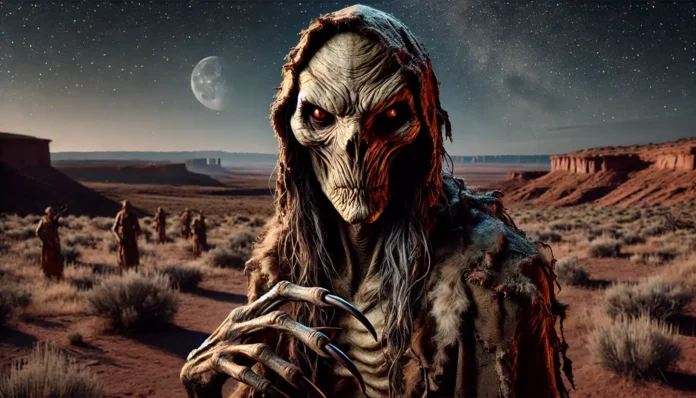
Introduction to Navajo Mythology
Navajo mythology is a rich tapestry of stories and beliefs deeply rooted in the cultural history of the Navajo people. It reflects their worldview, values, and social structures. The mythology is complex.
Central to Navajo mythology are the stories of creation, which describe the emergence of the world and the people. The myths offer explanations for natural phenomena and emphasize harmony and balance.
Unlike many Western mythologies, Navajo tales serve a functional purpose, often used to teach moral lessons and preserve cultural practices. This emphasis is central to understanding their significance.
Creation Myths
The Navajo creation myth begins in a series of underground worlds. These worlds are inhabited by various creatures and beings who ascend to the surface. Each world contributes to the people’s development.
The emergence story is not only a tale of creation but also of transformation. As beings move through different worlds, they undergo significant changes, demonstrating the importance of adaptability.
Beings such as the Holy People play significant roles in these stories. They guide and instruct the emerging beings, showing the deep connection between the spiritual and material worlds in Navajo thought.
Symbolism and Interpretation
Symbols in Navajo mythology often have dual meanings, representing both the physical and spiritual realms. For example, the coyote is both a trickster and a teacher, reflecting complex layers of meaning.
The central concept of hózhó, or harmony, is a recurring theme. Many stories emphasize restoring balance, illustrating the cultural importance of living in accordance with nature and community.
In contrast to Western mythologies, which may focus on individual heroism, Navajo myths emphasize collective well-being. This reflects the community-oriented nature of Navajo social structures.
Cultural Functions
Navajo myths serve multiple functions beyond storytelling. They are integral to rituals and ceremonies, reinforcing cultural identity and providing spiritual guidance. This multi-functionality is essential for cultural continuity.
Storytelling is a way to pass down history and tradition. The oral nature of Navajo myths means they are adaptable, with stories evolving to meet contemporary contexts while retaining their core teachings.
Unlike static written traditions, these oral narratives are dynamic, allowing for reinterpretation. This flexibility ensures that Navajo mythology remains relevant to successive generations.
Comparative Analysis
When compared to other Native American mythologies, Navajo stories often focus more on the interrelationship between humans and nature. This relationship is crucial in understanding the Navajo worldview.
For instance, whereas some cultures may emphasize the power of deities, Navajo mythology focuses on balance and harmony. This distinction highlights the unique cosmological role within Navajo beliefs.
Furthermore, Navajo myths often emphasize the moral consequences of one’s actions. This moral framing is less about divine retribution and more about communal and environmental harmony.
Conclusion
Navajo mythology is a complex and dynamic system of beliefs and stories. It is deeply intertwined with cultural traditions and societal norms. Understanding this mythology offers insights into Navajo values.
The emphasis on harmony, transformation, and community distinguishes Navajo mythology from other traditions. This unique focus underscores its importance in preserving the cultural identity of the Navajo people.
As a living tradition, Navajo mythology continues to adapt and evolve. It remains a vital part of the cultural heritage, offering guidance and insight into the human experience and natural world.