Zulu – an Overview
The Zulu culture is a significant indigenous group in Southern Africa, primarily located in what is now KwaZulu-Natal, South Africa. It is noted for its strong traditions and rich history. The Zulu people emerged as a distinct cultural group in the early 19th century. Established through a unification process under the leadership of King Shaka, the Zulu played a pivotal role in the regional dynamics of Southern Africa.
Zulu society, deeply rooted in its unique customs and practices, reflects a complex interplay of historical influences. The combination of indigenous belief systems and the impact of colonial interactions defines much of its cultural framework. It is essential to understand the Zulu not merely as a historical entity but also as a living cultural tradition.
Historical and Environmental Context
Time Frame and Location
The Zulu kingdom, founded in the early 19th century, reached its zenith under King Shaka. It expanded rapidly across the southeastern regions of Africa. Geographically, the Zulu heartland is characterized by a diverse range of environments, from coastal plains to mountainous regions. The landscape significantly influenced the Zulu’s agricultural practices and settlement patterns, shaping their socio-economic structures.
Contact and Cultural Exchange
Zulu interactions with neighboring groups and British colonizers were complex, involving both conflict and exchange. The Anglo-Zulu War epitomizes the struggle for dominance and the transformative impact of European interventions. Despite this, the Zulu retained core cultural elements while selectively adapting external influences, showcasing resilience and adaptability.
Mythological Framework
Worldview and Cosmological Concepts
No verified sources describe cosmological concepts explicitly within this context. However, traditional beliefs often emphasize the interconnectedness of the natural and spiritual worlds. The Zulu worldview integrates the roles of ancestors, nature, and the supernatural in a cohesive cosmology.
Spiritual or Supernatural Categories
Zulu spirituality is deeply entwined with the veneration of ancestors, who are considered intermediaries between the living and the divine. Spirits, both benevolent and malevolent, inhabit their belief system, influencing daily life and social practices. Ancestral spirits, or “amadlozi,” play a crucial role in maintaining harmony and guiding the community.
Folklore and Narrative Tradition
Recurring Mythological Themes
Zulu folklore is rich with themes of heroism, moral lessons, and the interplay between humanity and the supernatural. Stories often depict the adventures of cultural heroes, such as Shaka, whose legacy transcends historical fact and enters the realm of myth. These narratives preserve cultural values and historical memory.
Transmission and Preservation
Oral tradition is the primary means of preserving Zulu mythology and history. Storytelling, music, and dance serve as vehicles for transmitting cultural knowledge across generations. This oral heritage remains dynamic, allowing adaptation while retaining core elements of Zulu identity.
Mythological Beasts and Non-Human Entities
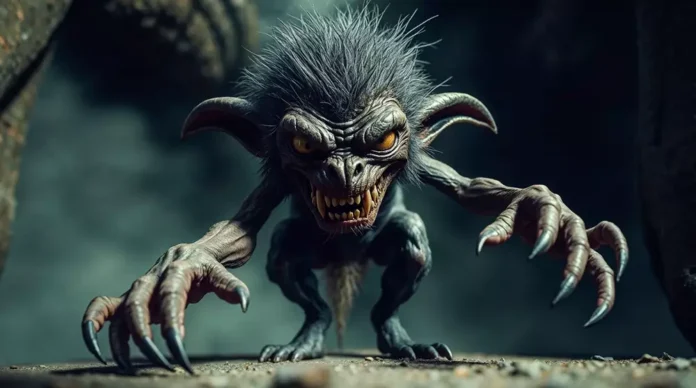
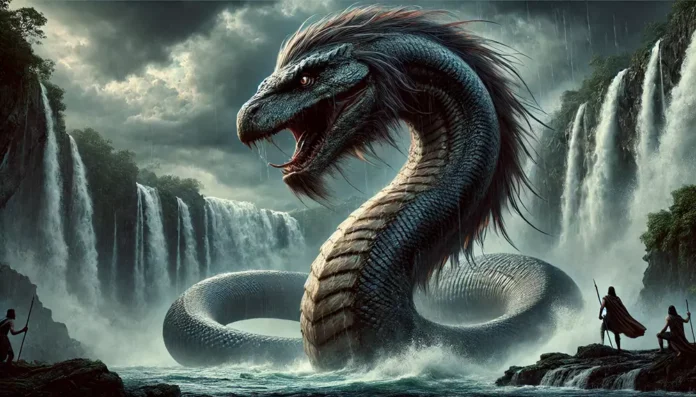
Zulu mythology includes various non-human entities integral to their cultural identity. These beings often symbolize natural phenomena or moral principles, reflecting the Zulu’s relationship with the environment.
Umvelinqangi
Umvelinqangi, often regarded as the Zulu creator deity, is a central figure in their cosmology. This entity embodies the origin of life and the universe, underscoring the Zulu belief in a supreme, omnipresent force.
Symbolic Roles of Creatures and Forces
Symbolism in Zulu mythology often aligns animals and natural forces with specific societal roles or moral lessons. For example, the lion symbolizes strength and leadership, while the elephant represents wisdom and community. These symbols reinforce cultural values and communal identity.
Internal Variation and Temporal Change
Despite a strong cultural core, the Zulu have experienced variations over time due to external pressures and internal dynamics. Changes in leadership, colonial influences, and modernity have introduced variations in practices and beliefs. Yet, the foundational elements of Zulu culture remain resilient, adapting to new contexts while preserving traditional identity.
Related Cultural Origins and Myth Sources
The Zulu share cultural and linguistic ties with other Nguni groups, such as the Xhosa and Swazi. These connections are evident in overlapping linguistic features and similar mythological themes. While each group maintains distinct cultural identities, shared origins facilitate mutual understanding and cultural exchange.
Evidence Limits and Scholarly Uncertainty
Significant gaps exist in the textual and archaeological records of Zulu mythology. Much of the knowledge comes from oral traditions, which pose challenges for scholarly validation. Interpretation varies among researchers, reflecting diverse perspectives on Zulu cultural history. No verified sources describe cosmological concepts explicitly for this context, highlighting the need for cautious interpretation.