back to top

Elemental Beings

Elemental Beings encompass mythological stories and themes linked to natural elements, representing forces of nature and symbolic meanings.

Relevant Beasts

Mississippian
Sacred Animal
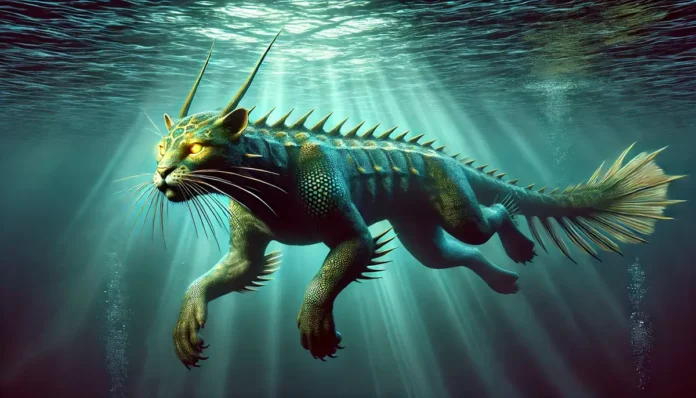
Mishipeshu - the water panther - North American folklore
Mississippian

Mishipeshu

Mishipeshu, the legendary water spirit of Anishinaabe folklore, is a powerful and protective creature. Often depicted as a mix...

  • Skills
Enhanced StaminaSwamp Manipulation
  • Weaknesses
Blunt ForceDry Land Harm
Africa
Sea Monster
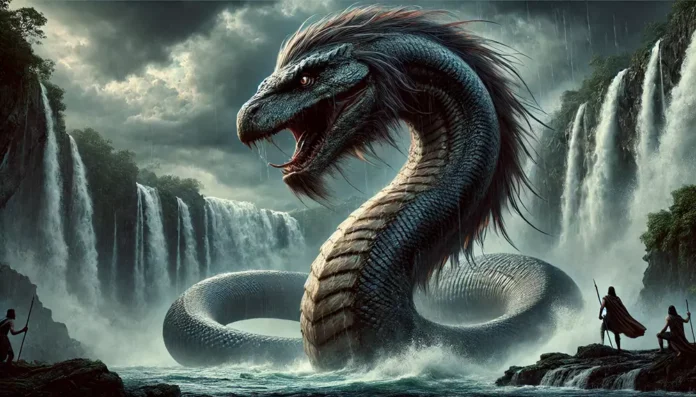
Inkanyamba - Zulu Mythology
Zulu

Inkanyamba

Inkanyamba is a massive water serpent from Zulu folklore, known to cause storms and whirlwinds.

  • Skills
Control WeatherStorm Control
  • Weaknesses
Dry Land HarmWeather

Elemental Beings – an Overview

Elemental Beings in mythology refer to a recurring pattern where entities embody natural elements like earth, water, fire, and air. These beings serve as intermediaries, connecting human experiences with the elemental forces of nature. They are not merely spirits, but integral embodiments of nature’s raw power. These beings appear in various forms across cultures, often influencing the human realm through their interactions with these natural elements. Understanding them offers insight into how ancient societies perceived and symbolized the world around them.

Core Characteristics and Themes

Narrative Function

Elemental Beings often serve crucial narrative functions in myths. They are depicted as guardians or antagonists, influencing mythical heroes’ journeys or the fate of communities. Their interactions with humans typically illustrate consequences of respecting or defying nature’s power. They act as agents of change, bringing about natural phenomena or enforcing cosmic laws. This lore type provides a framework for explaining the unpredictable and powerful forces of nature that ancient peoples encountered in their environment.

Symbolic Meaning

Symbolically, Elemental Beings represent the human struggle to understand and coexist with natural forces. They embody fundamental concepts such as creation, destruction, and transformation. Water beings might symbolize life and renewal, while fire creatures could represent destruction and purification. These beings also reflect cultural fears or values, such as the importance of respecting nature’s boundaries. As symbols, they embody both the benevolent and malevolent aspects of the elements they represent, emphasizing duality within nature.

Cultural Context and Worldview

Relationship to Religion and Belief

Elemental Beings often play significant roles within religious and cosmological systems, representing divine aspects of nature. They may be worshipped as deities or revered within rituals aimed at ensuring harmony with the environment. In many cultures, these beings are invoked during ceremonies to protect communities or to bring about desired weather conditions. Their presence in religious contexts underscores an understanding of the elements as living forces, integral to the cosmological balance and human survival.

Role in Social or Moral Order

In terms of social and moral order, Elemental Beings reinforce cultural norms by illustrating the consequences of human actions. Myths involving these beings often convey moral lessons about respecting nature and its powers. By embodying natural laws, they serve as reminders of the delicate balance between humanity and the environment. The stories often emphasize themes of humility and caution, warning against hubris and the dangers of attempting to control or disrespect elemental forces.

Associated Mythological Beings

Common Creature Archetypes

Common archetypes associated with Elemental Beings include water nymphs, fire spirits, earth giants, and air sylphs. These creatures often have humanoid characteristics combined with features symbolizing their respective elements. Water nymphs might be depicted as flowing and fluid, while fire spirits might appear as fiery and volatile. Each archetype encapsulates the characteristics of its element, influencing the narrative’s direction through their interactions with the human world.

Non-Creature Manifestations

Elemental Beings may also manifest as phenomena rather than creatures, such as storms, earthquakes, or volcanic eruptions. These manifestations are considered direct actions of the beings, embodying their elemental powers. In some cultures, elemental phenomena are seen as the unmediated expression of divine will or the natural order. These non-creature manifestations highlight the power and unpredictability of nature, reinforcing human dependence on the goodwill of these elemental forces.

Variations Across Cultures

Regional Interpretations

Interpretations of Elemental Beings vary significantly across cultures. In Greek mythology, nymphs are often associated with specific natural features, while in Hindu traditions, devas may represent elemental forces. In contrast, Norse myths might depict beings like jotnar as primal, elemental forces. These variations illustrate cultural differences in conceptualizing nature’s power, though all reflect an overarching theme of elemental interaction with the human world.

Shared Structural Patterns

Despite regional differences, certain structural patterns remain consistent across cultures. Elemental Beings are typically portrayed as powerful, with abilities tied directly to their elements. They often serve as mediators between humans and the divine or natural world. Such consistency suggests a common human impulse to personify nature’s forces, reflecting a shared understanding of the environment’s role in human existence and the need to respect its power and influence.

Persistence and Transmission

Oral and Written Traditions

The persistence of Elemental Beings in mythologies is largely due to their transmission through both oral and written traditions. Oral storytelling, often embedded within cultural rituals, ensures these stories’ survival across generations. In written form, these myths have been preserved in religious texts and literature, allowing for broader dissemination and adaptation over time. This dual transmission method underscores their cultural significance and enduring relevance.

Adaptation Over Time

Over time, Elemental Beings have adapted to reflect changing cultural and environmental contexts. In modern interpretations, they might be viewed through ecological lenses, emphasizing conservation. Historical periods also influenced their depictions; industrialization may have diminished their traditionally revered status. Such adaptations illustrate their flexibility and the evolving human relationship with nature, ensuring their continued relevance in explaining humanity’s place within the natural world.

Scholarly Interpretation and Uncertainty

Symbolic vs Literal Readings

Scholars often debate whether Elemental Beings should be interpreted symbolically or literally. Symbolic readings focus on their representation of natural forces and human values. Literal interpretations might consider them as expressions of religious beliefs or cosmological explanations. This duality in interpretation reflects broader discussions in mythology about the role of myth as allegory versus its role as historical belief, illustrating the complexities in analyzing ancient narratives.

Limits of Historical Evidence

The study of Elemental Beings is limited by the availability of historical evidence. Many oral traditions have not been recorded in detail, and much of the written evidence is fragmented. Consequently, scholars must rely on interpretations and reconstructions to fill these gaps. No verified sources describe every cultural context for these beings, highlighting the challenges in forming a comprehensive understanding of their mythological roles and significance across diverse traditions.

Classification Notes

Distinction from Related Lore Types

Elemental Beings differ from spirits or deities primarily through their direct embodiment of natural elements. Unlike deities, which often have broader domains, Elemental Beings are intrinsically linked to specific natural phenomena. This distinction is crucial for understanding their role as representatives of elemental forces rather than as abstract divine entities, emphasizing their unique place in mythological taxonomies.

Use in Mythological Taxonomy

In mythological taxonomy, Elemental Beings serve as a classification category due to their consistent thematic and functional roles across cultures. By embodying elemental forces, they provide a framework for understanding human interaction with the environment. Their classification allows for comparative analysis, facilitating cross-cultural studies of mythological narratives and illustrating the universality and particularity of human attempts to personify and engage with nature’s forces.