800 CE - 888 CE. The Carolingian Empire, founded by Charlemagne, marked a revival of art, culture, and learning in Western Europe. It laid the groundwork for the Holy Roman Empire and influenced European politics for centuries.
The Carolingian Empire spanned from the late eighth to the ninth century, largely encompassing modern-day France, Germany, and parts of Italy. This era followed the Merovingian dynasty and was characterized by strong centralized rule under Charlemagne and his successors. The period is noted for its cultural renaissance, which included a revival of art, literature, and education. It was also a time of significant religious change, with the expansion of Christianity influencing societal values. This historical backdrop is essential for understanding how myth and folklore flourished as tools for social cohesion and cultural transmission. Absent modern scientific explanations, supernatural beliefs filled existential gaps, shaping communal life and individual identity.
Cultural and Religious Worldviews
Dominant Belief Systems
During the Carolingian Empire, Christianity was the predominant religious framework, providing a cosmological narrative that unified the empire. However, remnants of pre-Christian pagan beliefs persisted, particularly in rural areas. These older traditions often merged with Christian teachings, creating syncretic belief systems. The natural world was seen as imbued with divine presence, a perspective that informed both daily practices and broader cosmological views. Religious texts played a vital role in disseminating these beliefs, yet oral tradition remained influential. Such syncretism highlights the complexity of religious life in this period, as old gods became Christian saints or demons.
Role of Myth in Daily Life
Myths and folklore served as moral and educational tools, reinforcing the social and ethical norms of the time. They were not mere entertainment but integral to understanding one’s place within the community and the cosmos. Through stories of saints, heroes, and mythical beings, people learned about virtue, vice, and divine justice. These narratives were often used in sermons, ensuring their penetration into the daily lives of the populace. Community celebrations and rituals frequently revolved around these mythological tales, fostering a shared cultural identity. This communal storytelling helped preserve historical and cultural continuity throughout the empire.
Mythological Beasts and Supernatural Entities
Common Types of Mythical Creatures
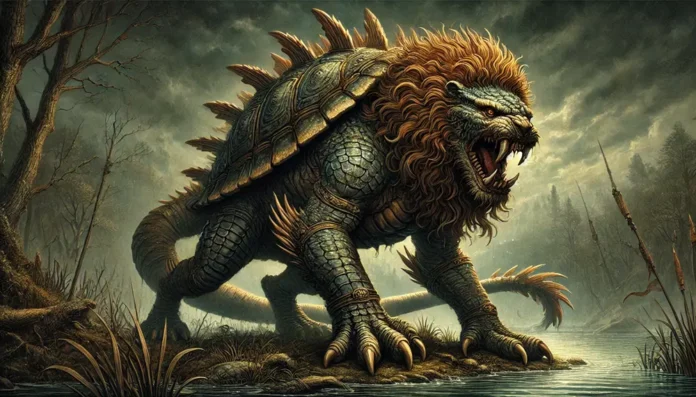
The Carolingian period featured a variety of mythological creatures, each serving distinct roles within the cultural imagination. Dragons, often depicted as malevolent forces, symbolized chaos and evil. Giants were remnants of pagan folklore, representing untamed nature. Benevolent beings like fairies or protective household spirits also featured prominently. These creatures often reflected societal values, such as the triumph of good over evil or the protection of the community. It is essential to note that these beings were not universally perceived in the same way across the empire, reflecting regional variations in belief.
Symbolism and Meaning
Mythical creatures served as symbols for complex human emotions and societal values. Dragons, for instance, often represented greed or heresy, reflecting the church’s moral teachings. Meanwhile, guardian spirits symbolized familial loyalty or community protection. The duality of these creatures reflected the moral struggles of the time, embodying both the fears and aspirations of the people. Their symbolic functions were deeply intertwined with religious narratives, which provided moral and spiritual guidance. Understanding these symbols offers insight into the cognitive and cultural frameworks of the period, revealing the interplay between belief and societal organization.
Folklore Traditions and Storytelling
Oral and Written Transmission
Folklore was primarily transmitted orally, a practice that ensured its fluidity and adaptability. Storytellers, often respected community figures, played a crucial role in preserving these narratives. Written texts began to appear in monasteries, where monks recorded popular tales, sometimes blending them with Christian themes. This dual transmission method allowed folklore to reach broader audiences while maintaining its adaptability. The transition from oral to written forms marked a significant cultural shift, influencing how myths were perceived and valued. This period laid the groundwork for future literary traditions, solidifying the importance of storytelling in cultural preservation.
Regional Variations
Differences in regional folklore emerged due to geographical, cultural, and historical factors. While some myths were widespread, others were unique to specific areas, reflecting local concerns and traditions. For instance, Alpine regions often featured mountain spirits and giants, whereas coastal areas had tales of sea monsters. Such variations demonstrate the adaptability of folklore to local environments and cultural needs. These differences were not merely superficial but often reflected deeper variations in worldview and cosmology. Understanding these regional distinctions is essential for a comprehensive study of Carolingian myth and folklore.
Relationship Between Humans and the Mythical World
Fear, Protection, and Reverence
People perceived mythical creatures as both threats and protectors, shaping their actions and beliefs. Dangerous creatures like dragons were feared, while benevolent spirits were revered and sought for protection. Rituals often involved offerings or prayers to ensure favorable outcomes. This dual perception influenced social rituals and personal behavior, reflecting the complex relationship between humans and the supernatural. Such beliefs provided explanations for natural events and personal misfortunes, integrating the mythical into daily life. The reverence for these entities underscores their significance in maintaining social order and spiritual balance.
Influence on Art and Material Culture
Mythological themes were prevalent in Carolingian art and material culture, manifesting in sculptures, manuscripts, and architectural elements. Dragons and saints adorned church facades, while mythical scenes were depicted in illuminated manuscripts. These artistic expressions served both decorative and didactic purposes, reinforcing religious and cultural narratives. The integration of mythological motifs into everyday objects reflects their cultural significance. This period saw a blending of artistic styles, influenced by the diverse cultures within the empire. The richness of Carolingian art offers a visual testament to the era’s mythological imagination and its role in shaping collective identity.
Transition and Legacy of the Carolingian Empire Period
The mythological concepts of the Carolingian era evolved significantly in subsequent periods, influencing medieval folklore and religious thought. As the empire declined, myths adapted to new cultural and political contexts, merging with emerging traditions. Some mythical creatures persisted, while others faded into obscurity. The legacy of this period is evident in the continuity of certain narratives and motifs within later European folklore. The adaptability of these myths ensured their survival, allowing them to influence literature, art, and culture for centuries. Analyzing these transitions sheds light on the enduring power of myth in shaping human experience.
Historical Reliability and Interpretation
Interpreting mythological material from the Carolingian period presents challenges due to the scarcity and bias of sources. Monastic records offer valuable insights but often reflect Christian perspectives, potentially skewing interpretations. Archaeological findings provide additional context but require careful analysis. Scholars must navigate these limitations to construct informed interpretations of mythological beliefs. This endeavor involves balancing historical fact with symbolic meaning, acknowledging the interpretive nature of myth. Understanding these complexities is crucial for appreciating the role of mythology in shaping cultural and spiritual life during the Carolingian Empire.