back to top

Sassanian Empire

Relevant Beasts
Asia
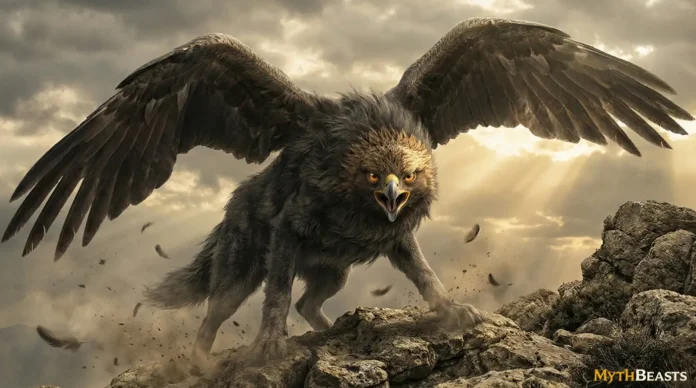
Giant Bird
Chamrosh - Guardian bird - Persian and Zoroastrian folklore
Iran

Chamrosh

A mighty guardian bird beneath the sacred tree on Mount Alborz that gathers seeds, spreads them across the earth,...

  • Skills
Animal CommunicationControl & Summoning
  • Weaknesses
Consecrated LandDivine Restrictions

Overview of the Sassanian Empire Period

The Sassanian Empire, spanning from 224 to 651 CE, was a pivotal period in ancient Persia. It prominently influenced regional dynamics through its interactions with the Roman and Byzantine Empires. During this era, the empire’s cultural richness fostered significant developments in mythological narratives, folklore traditions, and supernatural beliefs. Its strategic location and thriving trade routes facilitated the exchange of ideas, which affected the mythological landscape. This period’s religious and social structures offered fertile ground for mythological and folkloric evolution, ultimately impacting cultural storytelling.

Cultural and Religious Worldviews

Dominant Belief Systems

The religious fabric of the Sassanian period was woven predominantly with Zoroastrianism. This faith, focused on dualism and cosmic struggle, deeply influenced societal and cosmological views. The Zoroastrian doctrine emphasized a constant battle between the forces of good, led by Ahura Mazda, and evil, represented by Angra Mainyu. This dichotomy offered a framework through which natural and supernatural phenomena were interpreted and shaped the mythological narratives of the time.

Role of Myth in Daily Life

Myths and legends were integral to the social and moral fabric of Sassanian society. They acted as vehicles for transmitting cultural values, reinforcing social norms, and solidifying community identity. Rituals often incorporated mythological elements to affirm ethical teachings, while stories served as moral guidelines. These myths were not only entertainment but also vital in the education and socialization processes, embedding cultural wisdom and historical memory into everyday life.

Mythological Beasts and Supernatural Entities

Common Types of Mythical Creatures

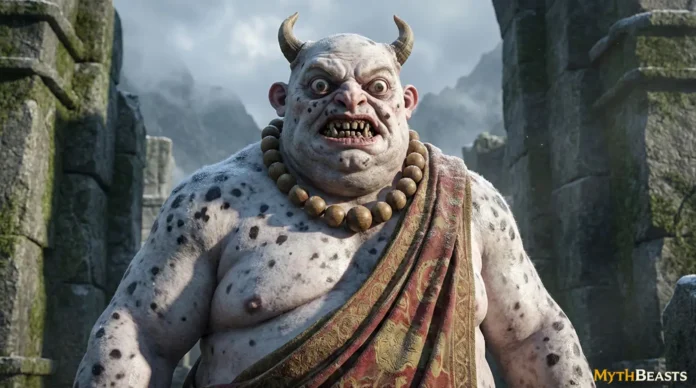
The Sassanian era witnessed the prevalence of diverse mythological creatures, such as divs (demons), peris (fairy-like beings), and simurghs (mythical birds). These entities were emblematic of broader cosmological concepts rather than individual narratives. They often represented opposing forces within the Zoroastrian dualistic worldview, reflecting the ongoing struggle between order and chaos. This pattern underscored the role of supernatural entities in illustrating moral dichotomies and societal values.

Symbolism and Meaning

In Sassanian culture, mythological creatures frequently possessed dual symbolism. For instance, the simurgh was a complex symbol of wisdom and healing, transcending mere mythical representation. It exemplified divine favor and spiritual insight, bridging the natural and supernatural realms. Similarly, divs symbolized chaos and moral corruption, serving as cautionary figures that reinforced ethical norms. These symbolic roles highlighted cultural values, offering psychological and spiritual insights into societal beliefs.

Folklore Traditions and Storytelling

Oral and Written Transmission

Folklore and myths were primarily transmitted orally, ensuring their propagation across generations. This oral tradition was complemented by inscriptions and later literary works like the Shahnameh, which preserved these narratives. The combination of oral and written forms ensured that these stories remained central to cultural identity, allowing consistent reinterpretation and adaptation over time. This dual transmission method facilitated a rich, evolving tapestry of mythological lore within the Sassanian context.

Regional Variations

Within the Sassanian Empire’s expansive territory, regional variations in mythology and folklore were inevitable. For example, Western regions, influenced by Greco-Roman thought, might depict mythological entities differently from Eastern regions, which had stronger connections to Indian and Central Asian traditions. These variations often resulted in distinct cultural expressions of similar mythological themes, reflecting local beliefs and environmental factors while maintaining a cohesive identity across the empire.

Relationship Between Humans and the Mythical World

Fear, Protection, and Reverence

The perception of mythological entities in the Sassanian period was complex, encompassing fear, reverence, and the belief in protective powers. Creatures like the simurgh were revered for their benevolent attributes, perceived as guardians and sources of wisdom. Conversely, beings such as divs incited fear, acting as embodiments of chaos and moral decline. This dual perception underscored the ethical and spiritual dimensions attributed to these entities, influencing individual and communal behaviors.

Influence on Art and Material Culture

Mythological themes were prominently featured in Sassanian art and material culture. Palaces, ceremonial objects, and textiles often depicted creatures like the simurgh, symbolizing royal authority and divine favor. These artistic representations reinforced the cultural and spiritual significance of mythological narratives while serving aesthetic and functional purposes. The integration of mythological motifs into everyday objects highlighted the intertwined nature of myth, art, and identity in Sassanian society.

Transition and Legacy of the Sassanian Empire Period

The decline of the Sassanian Empire marked a significant transition in the region’s mythological landscape. Many concepts persisted, evolving through assimilation into Islamic traditions and influencing subsequent folklore. The Zoroastrian dualistic framework, for example, resonated in the ethical dichotomies found in later cultural narratives. Despite historical upheavals, the mythological themes of the Sassanian period left an indelible mark on the cultural storytelling traditions of the broader Middle Eastern and Central Asian regions.

Historical Reliability and Interpretation

The study of Sassanian mythology faces challenges due to the limited availability of primary sources and the reliance on later interpretations. Historians and scholars often rely on textual analysis and archaeological findings to reconstruct mythological themes. Symbolic interpretations of material culture and comparative studies with neighboring traditions help bridge these gaps. However, differentiating between historical beliefs and mythological embellishments remains complex, requiring careful scholarly consideration to avoid conflating documented history with folklore.