
back to top

Ice Manipulation

Ice Manipulation is a mythological skill involving control over ice and cold, often linked to deities and legendary figures with frost powers.

Relevant Beasts

Celtic
Elemental Crone
Cailleach Bheur - Celtic folklore
Celtic

Cailleach Bheur

Cailleach Bheur, the ancient winter hag of Celtic lore, ruled storms and sculpted mountains with frost and stone, embodying...
  • Skills
Earth ManipulationElement Control
  • Weaknesses
Seasonal LimitSun Harm
Asia
Giant Humanoid
Yeti - Tibetian Folklore
Tibet

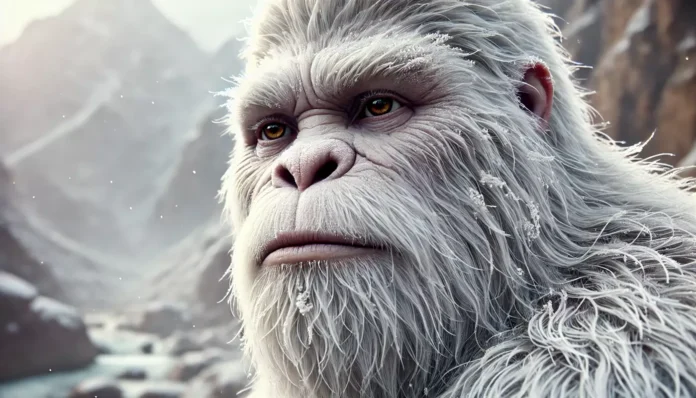
Yeti

Yeti of the Rockies is a North American version of Bigfoot, a solitary giant humanoid roaming the Rockies.

  • Skills
Blizzard CreationCold Resistance
  • Weaknesses
Blunt ForceHeat Sensitive
Asia
Spectral Being
Yuki-onna - a pale figure in the snow, her skin like moonlight, her breath as cold as the frost
Japan

Yuki-Onna

Yuki-Onna is a legendary Japanese spirit who appears during snowy nights, embodying both beauty and the deadly cold of...

  • Skills
Death & NecromancyElement Control
  • Weaknesses
Element SensitivitiesFire Vulnerable

Ice Manipulation – an Overview

Ice Manipulation is a distinct mythological function that reflects the control and influence over ice and cold elements. This ability transcends mere supernatural phenomena, standing as a codependent category with water and cold. Folklore often recognized it independently due to its distinct transformative nature and symbolic implications. Its boundaries are defined by its capacity to alter not just the environment but also societal norms and moral constructs.

Manifestation and Constraints

How Ice Manipulation Is Expressed

Within mythology, Ice Manipulation manifests through phenomena such as sudden frosts, glacial formations, and landscape alterations. Its presence shifts cosmic balance and introduces new challenges or benefits. These transformations are often perceived as interactions between divine forces and the physical world, highlighting the profound impact on ecosystems and human communities.

Limits and Conditions

Cultural belief systems impose specific restrictions on Ice Manipulation, linking it with moral and environmental balance. Traditions often assert that only certain beings or conditions can invoke this power, suggesting a sacred responsibility rather than indiscriminate access. It’s portrayed as an ability bound by cosmic order, reflecting the limitations of its wielders.

Mythological Role and Meaning

Symbolic and Cultural Significance

Ice Manipulation often symbolizes the duality of life: creation and destruction, preservation and desolation. In many cultures, it represents the harshness of winter, embodying both challenge and purity. Psychologically, it conveys the idea of emotional coldness or detachment, often used in narratives to signify isolation or transformation.

Ice Manipulation in Myth and Folklore

In mythology, Ice Manipulation frequently serves to delimit realms of power or transition. It can denote divine authority or a test for heroes, often forming boundaries between known and unknown, civilization and wilderness. Such roles underscore its centrality in myths depicting cosmic cycles or hero journeys, emphasizing transformation.

Beasts with Ice Manipulation

Yuki-onna

Originating in Japanese folklore, the Yuki-onna is a spirit of snow, whose identity is inseparable from Ice Manipulation. Without this ability, she would not embody the harsh, ephemeral nature of winter. She manifests in storms, representing both beauty and danger, thus illustrating cultural fears and reverence for ice.

Hrímþursar

In Norse mythology, the Hrímþursar, or Frost Giants, are beings associated with primordial ice. Their existence underscores Norse cosmology’s emphasis on elemental forces. Ice Manipulation is integral to their identity, as they represent chaotic natural forces preceding ordered creation, challenging gods and mankind alike.

Fengari

In Greek mythology, the lesser-known Fengari is a lunar wolf embodying the cold of night. Ice Manipulation defines its ability to freeze the earth, marking territories and hunting grounds. Without this, it would lack its symbolic role, representing the chilling yet guiding light of the moon.

Cultural Interpretations and Regional Emphasis

Interpretations of Ice Manipulation vary widely, from the destructive force in Siberian shamanism to a transformative element in Celtic traditions. While some cultures view it as a divine retribution, others see it as a purifying power. This divergence reflects regional climates and societal relationships with winter and ice.

Similar or Related Mythological Functions

Ice Manipulation shares conceptual space with Water Manipulation, though distinct due to its solid state. It also aligns with Wind Manipulation, as both can shape climates. Despite overlaps, each has unique narratives explaining their properties, emphasizing the specificity of their mythological roles.

Historical Interpretation and Evidence Limits

Scholarly analysis of Ice Manipulation often teeters between symbolic and literal interpretations. Some see it as metaphorical, symbolizing emotional states or societal conditions. Historical sources are scarce, leading to reliance on folklore and oral traditions. No verified sources describe every context, highlighting evidence gaps that scholars must navigate.