back to top

Invulnerability

Explore invulnerability as a legendary skill, offering mythical beings protection from harm and the ability to resist physical damage.

Relevant Beasts

Carolingians
Hybrid Creature
Carolingians

Tarasque

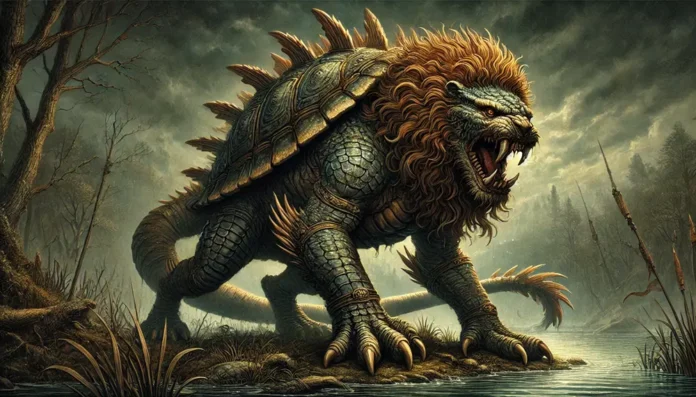
The Tarasque is a hybrid fire-breathing creature from French medieval folklore, known for its invulnerability and being tamed by...

  • Skills
Element ControlFire Breathing
  • Weaknesses
Blessed WeaponDivine Restrictions

Invulnerability – an Overview

Invulnerability in mythology is a distinct function that denotes near-complete protection from harm or decay. It stands apart from general supernatural powers due to its inherent ability to defy natural laws. This function is recognized across multiple traditions as a unique classification, not merely an effect like enhanced strength or speed. It serves as a defining trait for certain mythological beings, making them exceptional within their cosmologies.

Manifestation and Constraints

How Invulnerability Is Expressed

Invulnerability often manifests through dramatic transformations or immunity to conventional weapons as observed in myths. This effect can disrupt environments, such as when beings survive cataclysmic events unharmed. The impact of invulnerability is often profound, altering cosmological understandings by defying expected natural outcomes.

Limits and Conditions

Despite its power, invulnerability is not without limits. Many traditions impose conditions, such as vulnerabilities during specific times or under unique circumstances. These constraints maintain balance within narratives, ensuring that invulnerability does not remove all stakes from mythological stories. It often requires adherence to moral or ritualistic stipulations.

Mythological Role and Meaning

Symbolic and Cultural Significance

Symbolically, invulnerability represents divine favor, purity, or exceptional status. It often acts as a marker of chosenness, setting certain figures apart as divinely protected or morally superior. In some traditions, it reflects inner strength or spiritual enlightenment, suggesting that true invulnerability comes from within.

Invulnerability in Myth and Folklore

In myths, invulnerability structures authority by designating leaders or heroes as untouchable. Its presence can transgress normal boundaries, allowing figures to challenge gods or fate. It often leads to transformation, either literal or metaphorical, as characters evolve through their invulnerability.

Beasts with Invulnerability

Nemean Lion

The Nemean Lion, from Greek mythology, is known for its impenetrable hide. This characteristic is central to its role as a formidable opponent for Hercules. Its invulnerability emphasizes the hero’s cunning and strength, making the beast a pivotal figure in the Labors.

Fenrir

In Norse mythology, Fenrir the wolf is marked by a resilient nature. His eventual binding foretells the gods’ fear of his power. Without his near-invulnerability, Fenrir’s role in Ragnarok as a cosmic disruptor would be diminished.

Achilles

Achilles, a figure from Greek stories, has a famous vulnerability only in his heel. His almost complete invulnerability is crucial to his identity as a warrior. It shapes his story, emphasizing themes of fate and mortality despite his mother’s protective measures.

Cultural Interpretations and Regional Emphasis

Different cultures interpret invulnerability variably. In Eastern traditions, it might signify enlightenment, while in Western tales it often marks divine favor. Some cultures view it as a cautionary aspect, warning against hubris. The moral framing varies significantly, affecting how invulnerability is perceived.

Similar or Related Mythological Functions

Invulnerability closely relates to immortality, yet distinctions persist. While immortality concerns eternal life, invulnerability focuses on resistance to harm. Another adjacent function is regeneration, which involves healing rather than preventing damage. These distinctions clarify invulnerability’s unique mythological role.

Historical Interpretation and Evidence Limits

Scholars interpret invulnerability both symbolically and literally. Evidence is often scant, leaving gaps in understanding. Surviving texts may be biased, focusing on certain features over others. While some interpretations lean on symbolic readings, literal accounts also persist, reflecting diverse ancient beliefs.