Lava Manipulation – an Overview
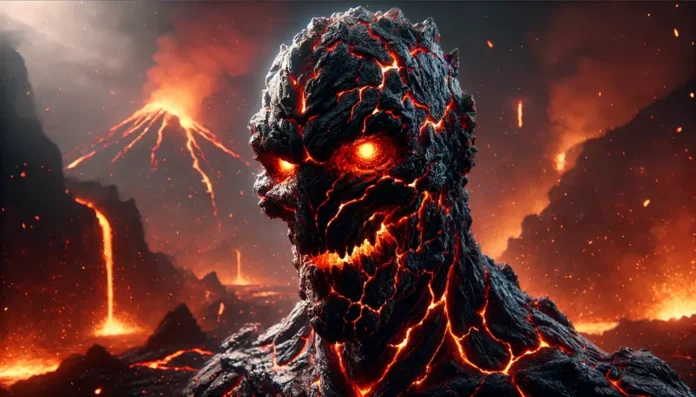
Lava Manipulation represents the mythological control of molten rock, embodying a distinct power over earth and fire. It transcends typical elemental manipulation, often occupying its own category in various cultural narratives. This function’s unique ability to alter landscapes and symbolize renewal or destruction distinguishes it from broader elemental control like fire or earth manipulation. Many traditions recognize it within their mythologies as a force of both creation and annihilation, emphasizing its dual nature.
The recognition of Lava Manipulation stems from its profound impact on physical and metaphysical environments. It is not merely a display of raw power but a representation of transformative processes. Unlike general supernatural effects, Lava Manipulation often involves deeper cultural or cosmological significance. It is a method of bridging the physical and divine, often attributed to entities or deities embodying volatile energies. This function is crucial in mythological taxonomies due to its dual role in shaping and destroying worlds.
Manifestation and Constraints
How Lava Manipulation Is Expressed
In mythological contexts, Lava Manipulation is often expressed through dramatic environmental changes. The eruption of volcanoes, the creation of new landforms, and the destruction of existing ones signify its presence. This manipulation often results in significant shifts within a narrative’s landscape, echoing broader themes of creation and destruction. In some traditions, deities or mythical beings utilize Lava Manipulation to demonstrate power, often as an act of divine will or judgement.
Lava Manipulation also manifests as a form of personal transformation or punishment. Characters or deities in myth may be transformed into stone or lava, symbolizing a transition between life and death. This transformation often serves as a narrative device to illustrate moral lessons or divine intervention. The presence of molten rock becomes a physical manifestation of inner change or divine retribution, grounding the narrative in tangible phenomena rather than abstract concepts.
Limits and Conditions
Despite its formidable appearance, Lava Manipulation has inherent constraints within various mythologies. These constraints are often rooted in moral or cosmological boundaries. In many narratives, only specific beings or deities wield it, ensuring its use remains a rare and significant event. The manipulation of lava is not an unrestrained force but one that reflects moral or divine order. Its use typically adheres to specific conditions, often as a response to transgressions or as part of a larger cosmological balance.
Environmental factors also play a role in limiting Lava Manipulation. Certain geographical or climatic conditions must exist for its expression. These limitations emphasize its connection to natural phenomena, grounding it in the observable world. Traditions frequently depict its use in conjunction with volcanic activity, reflecting a deeper understanding of geological processes. This constraint emphasizes the cultural perception of Lava Manipulation as both a natural and supernatural force.
Mythological Role and Meaning
Symbolic and Cultural Significance
Lava Manipulation carries significant symbolic weight in mythological traditions. It often represents the duality of creation and destruction, embodying both life-giving and life-taking forces. This duality mirrors cultural narratives of rebirth and renewal, where destruction paves the way for new beginnings. The manipulation of lava serves as a metaphor for transformation, reflecting cycles of life and death that underpin many cultural mythologies. It also symbolizes divine judgement, with eruptions seen as acts of retribution or purification.
In some cultures, Lava Manipulation embodies concepts of power and authority. Deities or beings capable of wielding this force are often viewed as rulers or guardians of the earth. Their ability to control lava signifies dominion over both the physical world and its elements. This symbolic association underscores broader cultural values, highlighting the importance of strength and control in maintaining order. Lava Manipulation, therefore, not only reflects natural phenomena but also cultural ideals of leadership and power.
Lava Manipulation in Myth and Folklore
Within mythological narratives, Lava Manipulation often plays a central role in shaping events and outcomes. It is employed as a tool of divine retribution or protection, reinforcing the moral framework of the narrative. Stories frequently depict its use in drastic transformations or boundary formations, illustrating the consequences of defiance or the necessity of divine intervention. This function serves to maintain or restore cosmic balance, emphasizing the interconnectedness of natural and supernatural realms.
Lava Manipulation also structures narratives around themes of transgression and redemption. It acts as a catalyst for change, prompting characters to evolve or face consequences. The presence of molten rock serves as a narrative boundary, delineating realms of the sacred and the profane. This boundary formation underscores the importance of maintaining respect for natural and divine order, reinforcing cultural notions of morality and cosmic justice.
Beasts with Lava Manipulation
Pele
Pele, the Hawaiian goddess of volcanoes, epitomizes Lava Manipulation. She embodies both creation through the formation of new land and destruction via volcanic eruptions. Her identity is inseparable from lava’s transformative power, making it central to her mythological role. Without Lava Manipulation, Pele would lack her essential connection to the elemental forces defining Hawaiian cosmology and cultural identity. Her narrative underscores the dual nature of creation and destruction inherent in Lava Manipulation.
Surtr
In Norse mythology, Surtr is a giant associated with fire and lava, wielding a flaming sword during Ragnarok. His role centers on destruction and renewal, marking the end of one world and the birth of another. Lava Manipulation is crucial to Surtr’s identity, representing both an apocalyptic force and a harbinger of new beginnings. Without this aspect, his narrative would lack the necessary connection to the elemental forces that define his mythological function within the Norse cosmological cycle.
Jormungandr
Jormungandr, the Midgard Serpent, embodies destructive forces in Norse narratives. While primarily associated with oceans, his connection to volcanic activity links him to Lava Manipulation. This connection signifies his role in cosmic upheaval during Ragnarok. Lava Manipulation is fundamental to Jormungandr’s narrative, highlighting the interplay between water, earth, and fire elements. Without acknowledging this aspect, his role in Norse mythology’s apocalyptic visions would be incomplete, obscuring his significance in the cycle of destruction and renewal.
Cultural Interpretations and Regional Emphasis
Cultural interpretations of Lava Manipulation vary significantly across regions. In Polynesian traditions, it is closely tied to creation myths, representing the dynamic forces shaping islands. This interpretation emphasizes the life-giving aspects of lava, contrasting with its destructive portrayal in other traditions. In contrast, in Norse mythology, Lava Manipulation often symbolizes destruction and renewal, reflecting apocalyptic themes within its cosmological narratives. These divergent interpretations underscore the multifaceted nature of lava as both a creative and destructive force, reflecting regional values and environmental contexts.
Similar or Related Mythological Functions
Functions related to Lava Manipulation include fire, earth, and water control, though each maintains distinct boundaries. Fire manipulation shares the element of heat and transformation but lacks the solid-to-liquid transition inherent in lava. Earth manipulation involves shaping landscapes but does not involve the molten state of lava. Water manipulation often contrasts with lava, symbolizing life and healing as opposed to destruction. Despite these overlaps, each function serves unique roles within mythological systems, highlighting their individual importance.
Historical Interpretation and Evidence Limits
Scholarly interpretation of Lava Manipulation often explores its symbolic meanings, emphasizing themes of creation, destruction, and transformation. However, evidence for specific rituals or beliefs is sparse due to the oral nature of many traditions. No verified sources describe detailed processes or practices involving Lava Manipulation. This lack of evidence reflects broader challenges in reconstructing historical beliefs from oral traditions. Scholars must rely on surviving textual descriptions and comparative analysis to understand its role, acknowledging the limitations inherent in interpreting these complex narratives.