Nature Manipulation
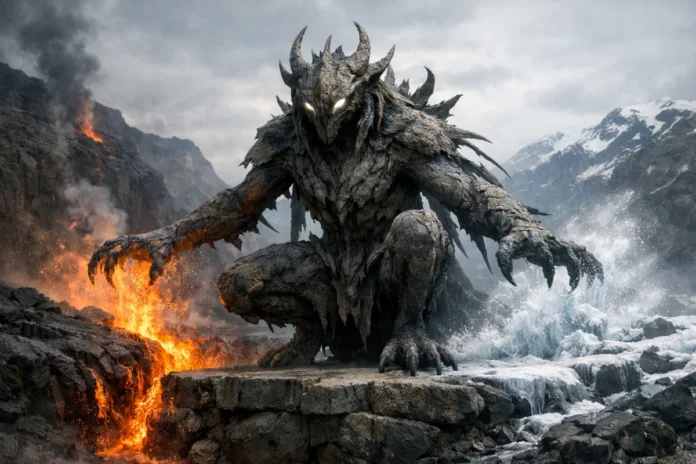
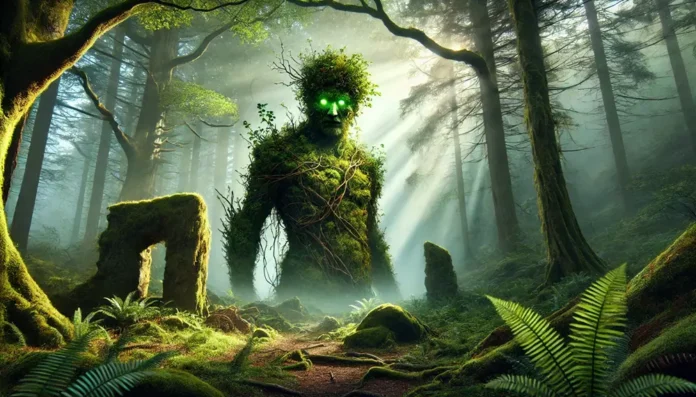
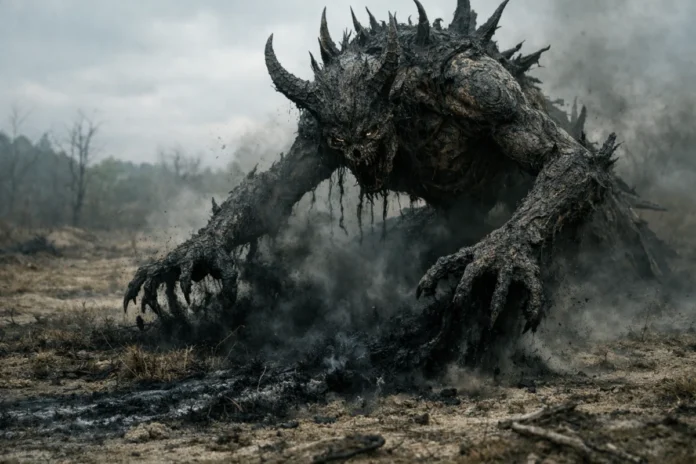
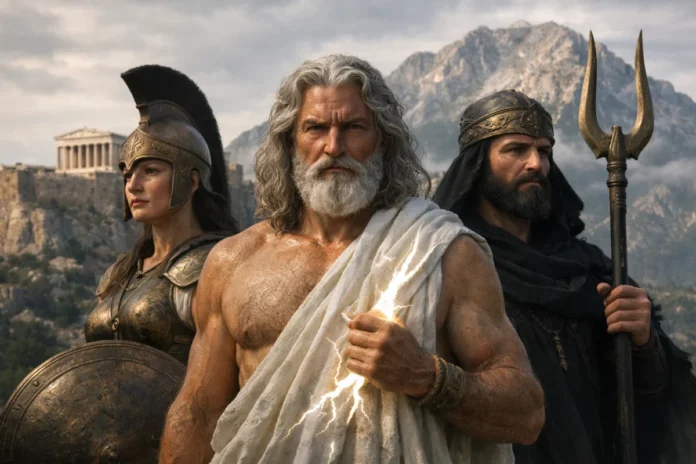
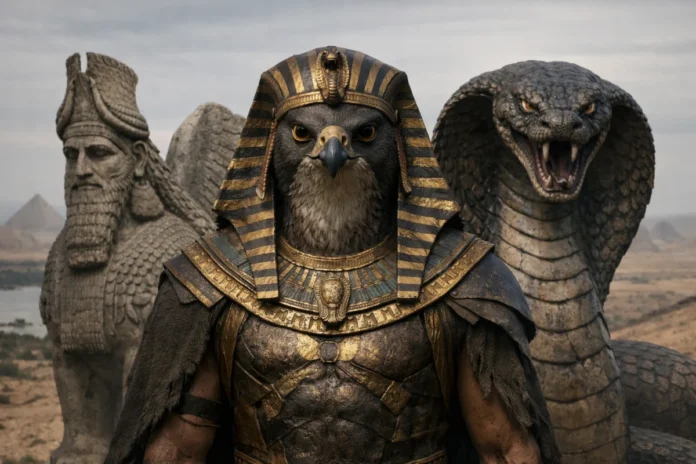
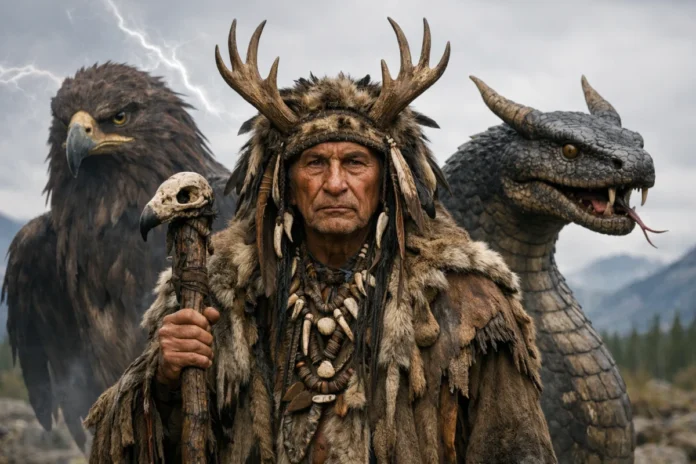
Nature Manipulation in mythology refers to the ability to control natural elements like earth, water, and plants, often seen in deities and legends.
Relevant Beasts
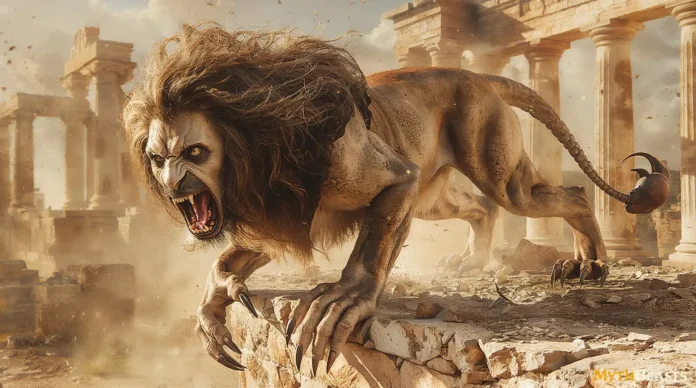
Hybrid Persian man-eater with human face, lion body and barbed tail, famed in Greek and later bestiaries as a...
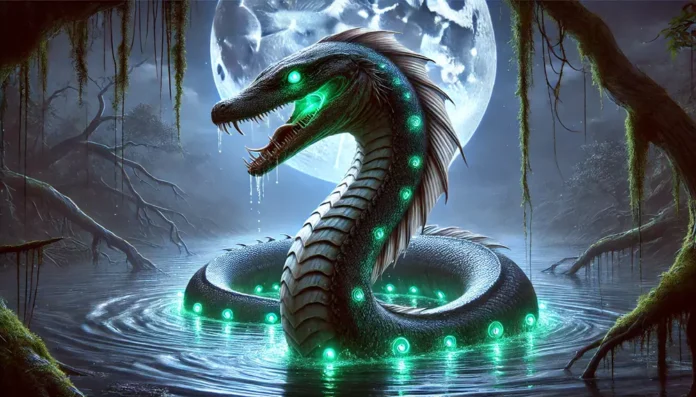
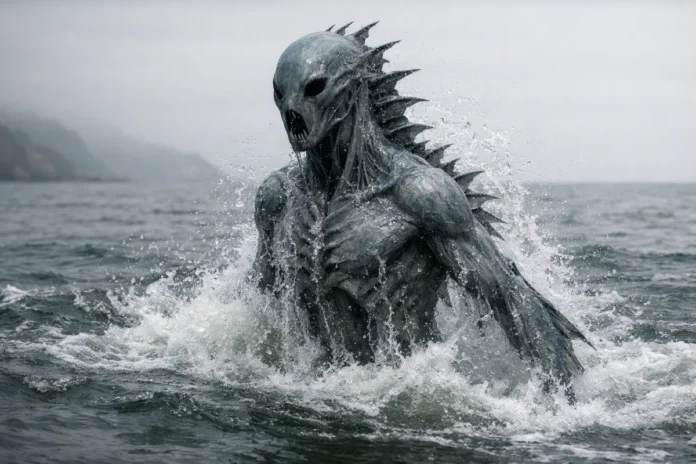
Mamlambo, a legendary creature in South African folklore, is known for its dual nature and river habitat, combining features...

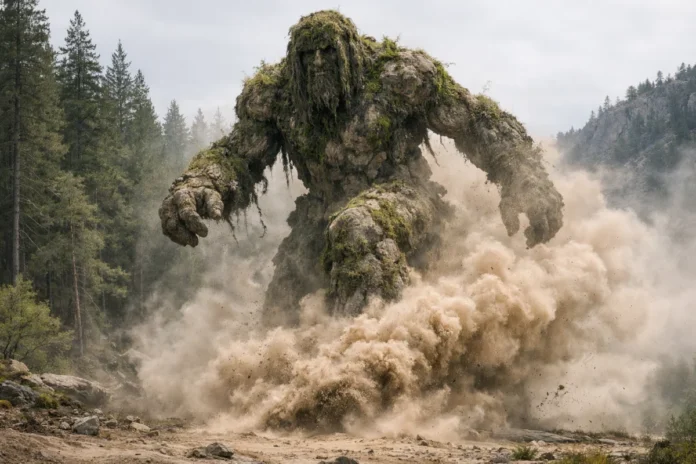
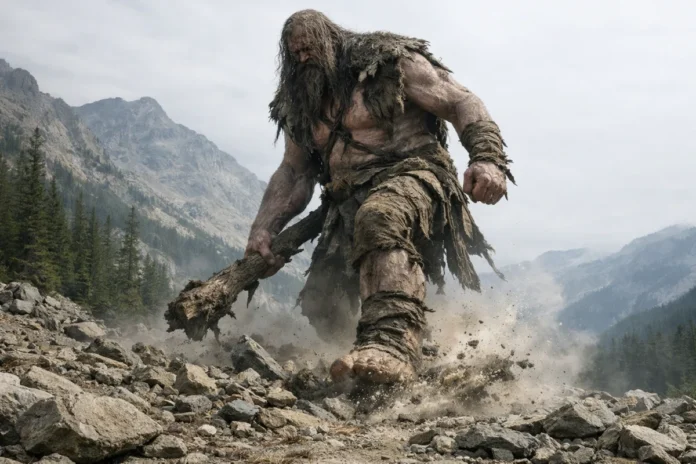
Ojancanu is a giant from Cantabrian mythology, feared for his destructive tendencies and immense strength.
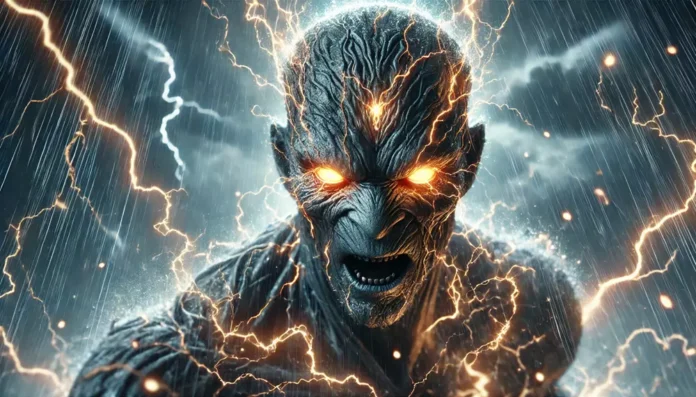
The Umu Dabrutu are storm entities from Mesopotamian mythology, known for their ability to control the weather and unleash...
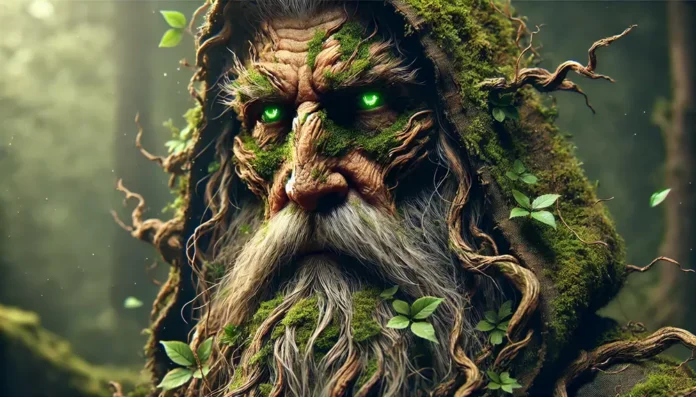
The Adnei haSadeh are feral humanoids of ancient Hebrew lore. They live apart from civilization, embodying primal nature...
Sub Categories
Animal Command
The ability to control or communicate with animals, commanding them to assist in battle, perform tasks, or offer guidance. Animal Command is often seen in druids, nature spirits, or gods of the wild.This power allows the user to form strong alliances with nature’s creatures.
Animal Resurrection
The ability to bring dead animals back to life, either for companionship or for use in battle. Shamans, nature spirits, or gods of wildlife restore fallen animals to their previous state using Animal Resurrection.This power symbolizes the deep connection between nature and life-giving forces.
Earthquake Generation
Earthquake Generation is a mythological skill attributed to beings capable of causing the ground to shake violently. This ability often signifies divine wrath or a means to punish humanity. It can reshape landscapes, destroy structures, and instill fear, reflecting the power wielded by deities or mythic figures associated with the earth.In mythology, Earthquake Generation often serves as a manifestation of the natural world's uncontrollable forces. It blurs boundaries between realms, alters geographical features, and can symbolize the breaking of cosmic order. This skill is frequently depicted as a tool of both creation and destruction, illustrating the dual nature of earth-centric deities.
Energy Absorption
The ability to absorb various forms of energy, such as heat, light, or magic, converting it into strength or vitality. Elemental beings, gods, or spirits use Energy Absorption to grow stronger by feeding on natural energy sources.This power grants endurance and resilience in the face of attacks.
Fire Control
Fire Control in mythology refers to the ability to manipulate and command fire, often attributed to deities, demigods, or mythical heroes. This skill allows its possessor to create, extinguish, and shape flames, influencing natural and supernatural environments. It is frequently associated with transformation, purification, and destruction, symbolizing both life-giving warmth and devastating power.In various mythologies, Fire Control is linked to themes of creation and renewal, often signifying divine favor or wrath. Practitioners might use it to protect communities, forge weapons, or enact divine will. This capability often represents mastery over elemental forces, reflecting the dual nature of fire as both a nurturing and consuming element.
Fog Generation
Fog generation is a mythological skill enabling entities to create dense fog or mist, often used to obscure vision or conceal movements. This ability can alter perceptions, affecting the physical environment by limiting visibility and creating an atmosphere of mystery or confusion.In various mythologies, fog generation serves as a tool for evasion or protection, blurring the lines between reality and illusion. It is sometimes associated with divine or supernatural beings, emphasizing their control over natural elements and their capacity to manipulate human experiences and boundaries.
Foul Odor
"Foul Odor" in mythology refers to a supernatural emanation associated with beings or environments that symbolize decay, corruption, or malevolence. This odor often serves as a harbinger of danger or death, alerting humans and other creatures to the presence of malevolent forces.The odor can affect the physical world by causing nausea, disorientation, or fear, disrupting normal activities. In some traditions, it is believed to mark the boundary between the natural and the supernatural, emphasizing the presence of otherworldly entities or cursed locales.
Heat Resistance
The ability to withstand extreme heat or fire without injury. Fire spirits, elemental beings, or desert creatures often have Heat Resistance, allowing them to thrive in environments that would burn others.Heat Resistance symbolizes the ability to endure nature’s fiercest conditions.
Petrification
Petrification in mythology refers to the transformation of living beings or objects into stone. This skill is often depicted as a formidable power, capable of freezing its target in an eternal, unchanging state. The process of petrification can symbolize the cessation of life, movement, or growth, serving as a narrative tool for illustrating themes of punishment or protection within various mythological contexts.The effects of petrification extend beyond the physical transformation, often representing a boundary between the living and the inanimate. In myth, those affected by petrification are typically rendered powerless, unable to interact with their surroundings. This skill underscores the fragility of life and the potential for sudden, irreversible change, reflecting cultural beliefs about the permanence and impermanence of existence.
Plant Growth
In mythology, the skill of "Plant Growth" involves the accelerated development and flourishing of flora. This ability can transform barren landscapes into lush environments, fostering life and abundance. It is often attributed to deities or spirits associated with nature, fertility, and agriculture, symbolizing renewal and the cyclical nature of life.The effects of "Plant Growth" extend beyond physical transformation, influencing ecosystems and human societies dependent on plant resources. It embodies the harmonious relationship between divine powers and the natural world, emphasizing themes of sustenance and prosperity. This skill reflects the reverence for nature's capacity to nurture and sustain life across various cultural mythologies.
Poisonous Breath
Poisonous Breath is a mythological skill where an entity exhales toxic fumes, causing harm or death to living beings. This ability is often depicted as a malevolent force, affecting the environment by withering plants and contaminating the air. The breath's potency varies across traditions, sometimes inducing paralysis or hallucinations in those exposed.In mythology, Poisonous Breath symbolizes corruption and decay, often associated with chaos or destruction. It serves as a boundary between the natural and supernatural realms, highlighting the entity's otherworldly power. This skill may also represent the dangers of unchecked power, illustrating the perilous consequences of encountering such beings.
Poisonous Gaze
Poisonous Gaze is a deadly skill allowing users to inflict harm through eye contact. Those who meet this gaze may experience symptoms ranging from mild disorientation to severe poisoning. This skill is often used to incapacitate enemies silently, adding a layer of terror.
Storm Control
Storm Control is the mythological ability to influence weather patterns, primarily focusing on storms. This skill allows the practitioner to summon, disperse, or redirect storms, altering rainfall, winds, and lightning. It is often associated with deities or legendary figures who wield power over natural elements, reflecting a deep connection to the forces of nature.In mythology, Storm Control can impact communities by bringing rain to parched lands or averting destructive weather. It symbolizes the balance between chaos and order, demonstrating control over nature's wild forces. This skill is often linked to themes of power and responsibility, as it can both nurture and devastate, depending on its use.
Sunlight Immunity
The ability to withstand or be unaffected by sunlight, often associated with creatures like vampires who normally suffer under daylight. Sunlight Immunity allows the user to thrive in conditions that would otherwise harm them.This power grants freedom to act during both day and night.
Toxin Generation
Toxin Generation is the mythical ability to produce substances harmful to living beings. These toxins can affect physical health, causing illness or death, and may also impact mental states. In some myths, those with this skill are feared for their power to manipulate life and death, often associated with deities or legendary figures skilled in alchemy or magic.In mythology, Toxin Generation can symbolize corruption or the destructive aspects of nature. It highlights the duality of creation and destruction, emphasizing balance within the natural world. This ability may be depicted as both a curse and a gift, reflecting the complex relationship between humans and the environment.
Tsunami Summoning
The ability to summon massive tidal waves or tsunamis to flood areas or attack enemies. Tsunami Summoning is often wielded by sea gods or water spirits, commanding the oceans to unleash devastation.This power is a symbol of nature’s overwhelming force and destruction.
Volcanic Eruption
The ability to trigger volcanic eruptions, releasing molten lava and ash to devastate enemies and landscapes. Volcanic Eruption is frequently wielded by fire gods, earth spirits, or elemental beings who command the raw power of volcanoes.This power is a symbol of nature's explosive and destructive force.
Water Control
Water Control is a mythological skill that allows manipulation of water in various forms, including rivers, seas, and rain. This ability is often attributed to deities or mythical figures associated with water, reflecting their dominion over aquatic environments.The skill affects natural boundaries, enabling the separation or merging of bodies of water. It also influences weather patterns, such as summoning rain or calming storms, demonstrating control over environmental conditions.
Wind Manipulation
The power to control the wind, shaping breezes into powerful gusts or tornadoes. Wind Manipulation is frequently used by sky spirits, storm gods, or elemental beings, making it a key tool for defense or offense.This skill symbolizes freedom and movement, offering control over the air.