Night Vision – an Overview
Night Vision in mythology represents a specialized function, distinct from general supernatural abilities. It encompasses the capacity to perceive in darkness, often featured in traditions highlighting nocturnal mystery. Mythological systems differentiate it from broader powers due to its specific utility and symbolism.
This capability is not merely sensory enhancement but bears deeper significance. It symbolizes insight, vigilance, and sometimes, forbidden knowledge. Recognized across various cultures, it is treated as a separate category due to its unique narrative implications and cultural resonance.
Manifestation and Constraints
How Night Vision Is Expressed
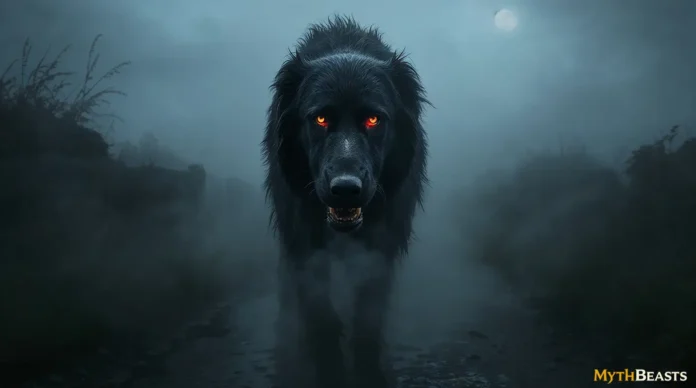
Mythologically, Night Vision manifests through transformative experiences. Beings endowed with this function may demonstrate altered physicality, such as glowing eyes. These transformations often result in visibility within darkness, affecting narrative outcomes significantly.
Environmental disruption also signals Night Vision’s presence. Mythologies frequently describe landscapes illuminated unnaturally, suggesting the broader cosmological impact. Such effects underscore the function’s importance, emphasizing its role in altering natural order.
Limits and Conditions
Night Vision is often governed by specific constraints within myths. Symbolically, its access is restricted to beings embodying darkness or secrecy, highlighting moral or ethical boundaries. This limitation underscores its exclusivity, preventing universal application.
Environmentally, certain myths specify Night Vision’s activation only in sacred or cursed locations. This condition reinforces its connection to place, emphasizing contextual legitimacy. Such restrictions indicate its structured integration within cultural narratives.
Mythological Role and Meaning
Symbolic and Cultural Significance
Night Vision holds profound symbolic meaning in mythologies. It represents clarity amidst obscurity, metaphorically enabling discernment of hidden truths. This function often conveys psychological insight, aligning with themes of inner exploration or revelation.
Culturally, Night Vision serves as a tool for social regulation. In some traditions, those possessing this ability are viewed with caution, reflecting societal concerns about unchecked knowledge. It thus plays a role in delineating societal boundaries and hierarchies.
Night Vision in Myth and Folklore
In myths, Night Vision structures authority and transgression dynamics. Characters with this ability often challenge norms or enforce rules, embodying guardianship or rebellion. These narratives emphasize boundaries between visible and invisible realms.
Night Vision also shapes transformative journeys, marking pivotal moments of change. Its presence in tales often signifies crossing into unknown territories, emphasizing boundary formation. Such roles highlight its integral function within mythological storytelling.
Beasts with Night Vision
Bakeneko
The Bakeneko, from Japanese folklore, embodies Night Vision as a defining trait. This shapeshifting cat harnesses darkness to navigate and enact supernatural feats. Without Night Vision, its mystical role within stories would lack depth and intrigue.
Owl of Minerva
The Owl of Minerva, associated with wisdom, is central to Greco-Roman mythology. Its Night Vision symbolizes intellectual insight and vigilance. Removing this function from its characterization would undermine its role as a symbol of philosophical clarity.
Camazotz
Camazotz, the Mayan bat god, exemplifies Night Vision’s mythological importance. As a guardian of caves and the underworld, its ability to see in darkness is crucial for its cultural narrative. Without this function, its identity would be incomplete.
Cultural Interpretations and Regional Emphasis
Across cultures, Night Vision is interpreted with varying emphasis. In Western traditions, it often symbolizes enlightenment against ignorance. Conversely, in Eastern mythologies, it may highlight balance between opposing forces, reflecting differing cosmological views.
These variations illustrate cultural divergence in symbolic framing. While some view Night Vision as an aspirational trait, others perceive it with suspicion, indicating moral nuances. Such differences underscore the richness of its mythological interpretations.
Similar or Related Mythological Functions
Functions related to Night Vision include prophetic sight and enhanced perception. Both share the theme of unveiling hidden aspects but differ in scope. Prophetic sight forecasts future events, while Night Vision focuses on immediate clarity in darkness.
Despite conceptual similarities, these functions are distinct. Prophetic sight often involves divine intervention, whereas Night Vision typically arises from innate or bestowed abilities. This analytical separation highlights their unique mythological roles.
Historical Interpretation and Evidence Limits
Scholarly interpretation of Night Vision varies. Some view it symbolically, representing insight, while others consider literal readings within historical contexts. However, evidence is limited, often relying on fragmented texts and oral traditions.
Such gaps present challenges in fully understanding its mythological scope. Bias in source preservation also affects interpretation, with some cultures underrepresented. Acknowledging these uncertainties is crucial for responsible reconstruction of Night Vision’s historical significance.