back to top

Nightmare Creation

Nightmare Creation is a mythological skill involving the induction of fear and terror through dream manipulation in various cultural traditions.

Relevant Beasts
Europe
Spectral Beast
Cadair Idris
Welsh

Cadair Idris

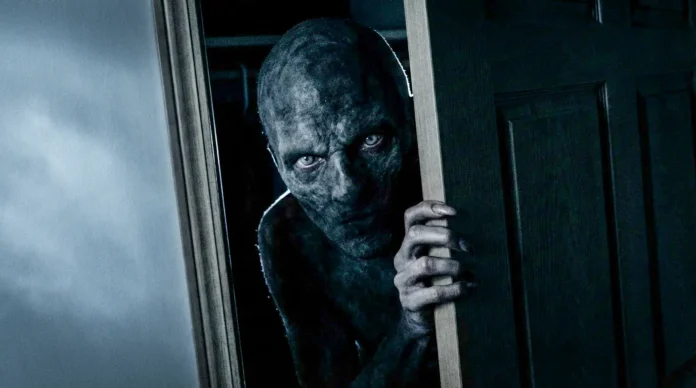
The Cadair Idris Hound is a spectral dog from Welsh folklore, feared for its piercing howl that can drive...

  • Skills
Fear InducementNightmare Creation
  • Weaknesses
BeheadingSilver Weak

Nightmare Creation – an Overview

Nightmare Creation is a distinct mythological function recognized for its capacity to instill fear, anxiety, or disorientation. Rooted in various cultural traditions, it is more than a simple supernatural occurrence. It is categorized separately due to its unique psychological and spiritual impact, as well as its recurring thematic presence across mythological systems. While other effects may induce awe or wonder, Nightmare Creation uniquely harnesses the power of fear to achieve its objectives.Nightmare Creation is recognized as distinct because it serves multiple purposes, including moral instruction and social regulation. Many cultures used this function to articulate the boundaries between the known and the unknowable, reinforcing the social order. Its uniqueness lies in its consistent emphasis on unsettling experiences, which are not merely byproducts but central to its mythological role. Rather than a mere tool of gods or spirits, it embodies a broader metaphysical principle within these traditions.

Manifestation and Constraints

How Nightmare Creation Is Expressed

Nightmare Creation manifests in mythological traditions through a variety of observable phenomena, including transformations in the natural world, such as storms or darkness. These consequences are often aligned with cosmological disruptions, suggesting a deeper metaphysical significance. Transformational elements stress the capability of such mythological functions to alter reality, making them potent symbols of change.The effects of Nightmare Creation are often described in terms of the psychological impact they have on individuals. Such experiences might take the form of visions or dreams that leave a lasting impression. These personal encounters are often recounted as life-altering, prompting profound reflection or even madness. In this way, Nightmare Creation blends personal and universal scopes, reinforcing its potency.Environmental disruptions associated with Nightmare Creation are frequently depicted in myth. These can range from localized disturbances, like unsettling sounds, to broader calamities that affect entire communities. Such phenomena emphasize the indiscriminate nature of this mythological function, transcending individual experience to impact collective consciousness.

Limits and Conditions

Various symbolic and moral constraints govern the application of Nightmare Creation in mythological contexts, ensuring its use aligns with established cosmological principles. Traditions often restrict its deployment to specific entities or moments, preventing its descent into chaotic, unregulated power. This signifies a cultural understanding of its potential destructiveness and the need for careful control.Environmental conditions may also bound Nightmare Creation, such as specific times or places where it is believed to be more potent. Nighttime, liminal spaces, or sacred sites are common settings for its influence, highlighting the belief in contextual appropriateness. These constraints reflect an awareness of the balance between order and chaos within the mythological worldview.The legitimacy of Nightmare Creation is further constrained by moral or ethical considerations, suggesting a deeper cultural rationale. These limitations often serve to reinforce societal norms, warning against hubris or immoral behavior. As a result, its use is sanctioned only under circumstances that align with broader moral frameworks, reflecting its integrative role in cultural belief systems.

Mythological Role and Meaning

Symbolic and Cultural Significance

Nightmare Creation holds significant symbolic and cultural meaning, often representing the darker aspects of psychological or spiritual journeys. It symbolizes the unknown or the subconscious, revealing fears that must be confronted. This function serves to remind individuals of their vulnerabilities, encouraging introspection and growth.In many cultures, Nightmare Creation acts as a moral and social regulator, ensuring behavioral conformity. By instilling fear of consequences, it deters transgressive actions, maintaining societal order. This symbolic role extends beyond mere storytelling, influencing cultural norms and individual behavior.Cosmologically, Nightmare Creation often embodies the chaos needed to balance order within mythological systems. It highlights the fragility of human understanding and control, emphasizing the limits of human knowledge. This reinforces the importance of humility and respect for the unknown within these belief systems.

Nightmare Creation in Myth and Folklore

Within mythological narratives, Nightmare Creation is often associated with boundary formation and transgression. It delineates the line between safety and danger, reinforcing the notion of protected spaces. Myths that incorporate this function frequently involve quests or trials, using fear to test resolve and character.Nightmare Creation can also illustrate the shifting dynamics of power and authority, often challenging established hierarchies. Myths may depict rulers or heroes who must confront their deepest fears, demonstrating the vulnerability of even the mighty. These narratives serve to validate or question existing power structures.Transformation is another common theme in myths involving Nightmare Creation. Characters may undergo personal metamorphoses prompted by these experiences, suggesting that fear itself is a catalyst for change. This role emphasizes the transformative potential inherent in confronting one’s inner darkness.

Beasts with Nightmare Creation

Baku

Originating in Japanese folklore, the Baku is a creature that consumes nightmares. Its role is fundamentally linked to Nightmare Creation, as it represents the ability to transform fear into peace. Without this association, it would be wrongly classified as merely a benign entity, ignoring its deeper symbolic function.

Mara

In Norse mythology, the Mara is a spirit that induces night terrors, closely tied to the concept of Nightmare Creation. It is indispensable for its role in causing distressing dreams, making it an embodiment of fear. Misclassifying the Mara would overlook its critical impact on the human psyche.

Oni

The Oni, a demon from Japanese tradition, embodies Nightmare Creation through its terrifying presence and chaotic nature. As a creature that evokes fear and disorder, its identity revolves around this function. Ignoring this aspect would diminish its integral role within mythological narratives and cultural symbolism.

Cultural Interpretations and Regional Emphasis

Nightmare Creation is interpreted variably across cultures, reflecting different symbolic meanings and moral frameworks. In some traditions, it represents a necessary evil, emphasizing the balance between light and dark forces. In others, it is an aberration, illustrating the dangers of straying from the path of righteousness.The moral framing of Nightmare Creation diverges significantly. Some cultures view it as a tool of divine punishment, wielded by gods to enforce moral behavior. Conversely, others see it as an uncontrolled force, highlighting the chaotic elements of the cosmos. This variety underscores its multifaceted nature.Cosmologically, Nightmare Creation may emphasize the fragility of existence, contrasting the predictability of daily life with the unpredictability of metaphysical realms. Such interpretations stress the complexity of understanding the universe, acknowledging the limits of human control. Cultural divergence in this respect illustrates the diverse human responses to existential uncertainty.

Similar or Related Mythological Functions

Conceptually adjacent to Nightmare Creation are mythological functions like Illusionism, where reality is altered to deceive. While both involve perception manipulation, Illusionism often lacks the fear-inducing element central to Nightmare Creation. This distinction is crucial in differentiating their respective roles within mythological systems.Another related function is Prophecy, which, like Nightmare Creation, can invoke fear. However, Prophecy’s primary role is foretelling future events, often with a moral or redemptive aim. Nightmare Creation focuses on immediate psychological impact, making it distinct in purpose and execution.Shadow Crafting shares proximity with Nightmare Creation due to its association with darkness and concealment. Yet, Shadow Crafting typically involves concealment or stealth rather than inducing fear or anxiety. This analytical separation ensures clear taxonomy classification, avoiding conceptual overlap.

Historical Interpretation and Evidence Limits

Scholarly interpretations of Nightmare Creation vary, often emphasizing its psychological and symbolic dimensions. Some view it as a reflection of collective fears, manifesting through myth to address societal anxieties. Others argue for a more literal understanding, rooted in historical accounts of supernatural events.The symbolic versus literal debate highlights gaps and biases in historical sources, with many accounts lacking detail or consistency. Some traditions have scant evidence, leading to speculative interpretations. Where verified sources are absent, scholars emphasize caution, acknowledging the limitations in reconstructing historical beliefs.Uncertainty persists in the origins of Nightmare Creation, as many myths are orally transmitted, complicating verification. The fluid nature of oral traditions often results in variations and inconsistencies, further challenging scholarly analysis. As such, interpretations must carefully balance historical evidence and cultural context to avoid overgeneralization.