
back to top

Rage Strength

Rage Strength is a mythological skill representing immense power fueled by intense emotions, often seen in legendary heroes.

Relevant Beasts
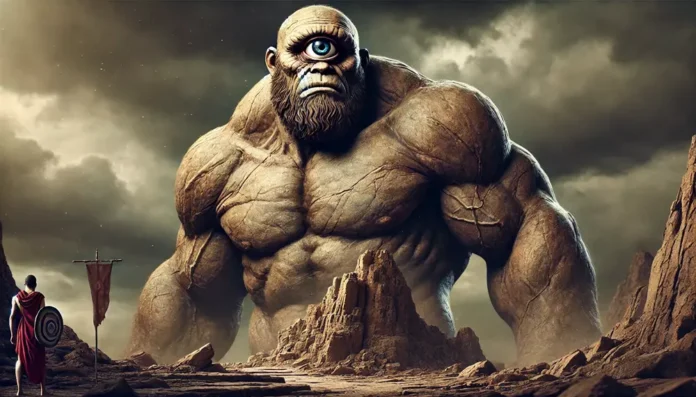
Greece
Cyclopean Form
Cyclops - one-eyed giants
Greece

Cyclops

The Cyclops are one-eyed giants known for their immense strength and hostility towards humans. Famous for encounters with heroes,...
  • Skills
Physical StrengthRage Strength
  • Weaknesses
Weak Reflexes
Greece
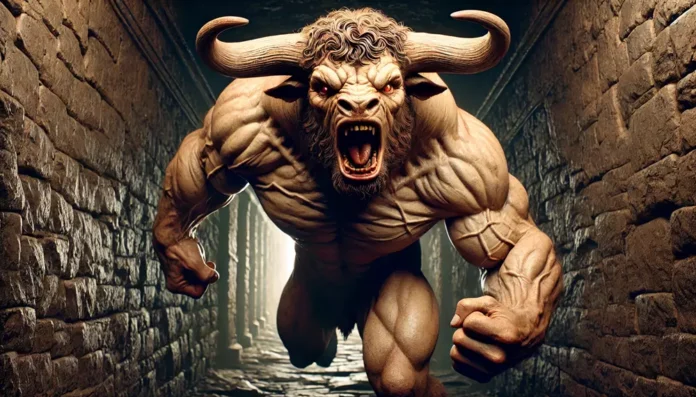
Hybrid Creature
Minotaur - body of a man and the head of a bull
Greece

Minotaur

A half-man, half-bull creature from Greek mythology, the Minotaur lurks in the labyrinth of Crete, symbolizing rage, entrapment, and...
  • Skills
Physical StrengthRage Strength
  • Weaknesses
BeheadingBlessed Weapon
Europe
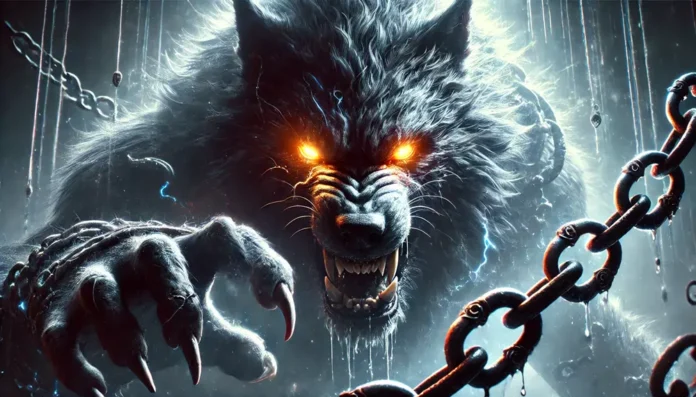
Chaos Giant
Fenrir MythBeasts.com
Norway

Fenrir

Fenrir, the giant wolf in Norse mythology, is destined to break free during Ragnarök and devour Odin, embodying chaos...

  • Skills
Physical StrengthRage Strength
  • Weaknesses
Blessed WeaponDivine Restrictions

Rage Strength – an Overview

Rage Strength in mythology refers to a supernatural capability marked by intense power triggered by anger or fury. Unlike general supernatural effects, it is a distinct category where emotional intensity magnifies physical or metaphysical attributes. Mythological systems recognize it as a transformative force, not merely an emotion-driven outburst. This classification is vital because it embodies the interplay between emotional states and supernatural consequences, emphasizing the role of emotions in mythological narratives. It is often seen in deities, heroes, and creatures whose abilities are linked to their emotional extremes, thus differentiating it from typical supernatural abilities.

Manifestation and Constraints

How Rage Strength Is Expressed

Rage Strength manifests through dramatic changes in the bearer, such as a physical transformation or an increase in strength beyond normal limits. In many traditions, this power results in environmental disruption, such as storms or earthquakes, indicating the cosmic scale of its impact. Such expressions are well-documented in myths where characters demonstrate superhuman feats under extreme emotional duress. The effects are not limited to physical might but also include auras or energies that repel adversaries or inspire fear. Rage Strength is portrayed as both a personal and environmental phenomenon, reflecting the character’s internal turmoil externally.

Limits and Conditions

Despite its potential, Rage Strength is often bound by strict conditions, either moral, symbolic, or cosmological. Many traditions limit this power to moments of genuine emotional crisis, where its emergence is seen as both a blessing and a curse. It is frequently associated with righteous anger or divine wrath, distinguishing legitimate expressions from mere destructiveness. Environmental factors, such as specific locations or celestial events, also influence its manifestation. Cultural narratives impose these constraints to maintain a sense of balance and prevent abuse, framing Rage Strength as a regulated force rather than an uncontrolled power surge.

Mythological Role and Meaning

Symbolic and Cultural Significance

Rage Strength symbolizes the dual nature of power and emotion, often representing themes of justice, retribution, and personal transformation. It highlights the potential of intense emotions to alter reality, serving as a warning and a promise. In many cultures, it reflects societal values regarding control, honor, and the consequences of unchecked anger. This symbolism transcends individual narratives, embedding Rage Strength within broader mythological frameworks that emphasize moral and cosmological order. It underscores the importance of emotional regulation and the potential for growth and change through overcoming inner turmoil.

Rage Strength in Myth and Folklore

In mythological narratives, Rage Strength plays a crucial role in defining authority and transgression. Heroes and gods often invoke it during critical battles, symbolizing their rightful cause or moral superiority. These instances underscore the transformative potential of rage, both physically and spiritually, marking significant turning points in stories. Rage Strength also serves as a boundary marker, delineating the limits of human or divine endurance. It provides a narrative mechanism for characters to transcend ordinary limitations, emphasizing the exceptional nature of their quests and the moral complexities they navigate.

Beasts with Rage Strength

The Nemean Lion

In Greek mythology, the Nemean Lion possessed Rage Strength, making it invincible to mortal weapons. Its hide was impervious, symbolizing the untamed power of rage. Heracles’ encounter highlights its representation of challenges that require cunning and resilience. The lion’s strength was not just physical but emblematic of divine challenges imposed on heroes.

The Hulkyo of the Philippines

Philippine folklore describes the Hulkyo as a creature that gains extraordinary power when angered. Its Rage Strength is central to its identity, demonstrating the cultural belief in the transformative power of emotions. This creature’s stories emphasize the consequences of anger and the importance of emotional control, reflecting societal values.

The Berserker

In Norse culture, the Berserker warriors exemplified Rage Strength, entering a trance-like fury in battle. This heightened state of rage granted them near-supernatural abilities, making them formidable opponents. Their cultural depiction underscores the valorization of warrior ferocity, linking emotional extremes with martial prowess and divine favor.

Cultural Interpretations and Regional Emphasis

Rage Strength is interpreted differently across cultures, with each emphasizing unique aspects of its symbolism and moral framing. In Greek mythology, it often represents divine wrath or heroic challenges, whereas Norse traditions focus on martial prowess and emotional extremes. In Asian mythologies, Rage Strength may be linked to spiritual transformation or enlightenment through overcoming anger. These variations highlight cultural priorities, such as the Greek emphasis on divine intervention and the Norse valorization of warrior spirit. Such divergences illustrate the complex interplay between emotion, morality, and power within cultural narratives.

Similar or Related Mythological Functions

Related to Rage Strength are mythological functions like Divine Wrath and Heroic Fury. Divine Wrath involves deities unleashing power due to anger, whereas Heroic Fury pertains to mortals gaining strength under emotional duress. Both functions share similar emotional triggers but differ in origin and scope, with Rage Strength often presenting as a personal phenomenon. Unlike these, Rage Strength typically includes transformation and environmental effects, making it distinct in its comprehensive impact on both character and surroundings.

Historical Interpretation and Evidence Limits

Scholars interpret Rage Strength as an allegory for internal conflict and societal values, examining its symbolic versus literal readings. While many sources document its role in myths, there are gaps in comprehensive understanding due to fragmented historical texts. Interpreters must navigate biases inherent in ancient accounts, ascribing contemporary meanings to ancient emotions. The lack of consistent documentation across cultures necessitates cautious reconstruction, acknowledging both the power’s symbolic richness and the challenges in fully understanding its historical context. No verified sources describe all aspects conclusively, highlighting the importance of ongoing scholarly inquiry.