back to top

Regeneration

Regeneration in mythology symbolizes the power of renewal and healing, enabling beings to recover from wounds or restore life.

Relevant Beasts

Europe
Vampire
Vampire - Slavic Folklore
Slavic

Vampire

A fearsome undead being from Eastern European folklore, the Vampire feeds on life essence. It is tied to dark...
  • Skills
Healing & LifeHypnosis
  • Weaknesses
Divine RestrictionsElement Sensitivities
Europe
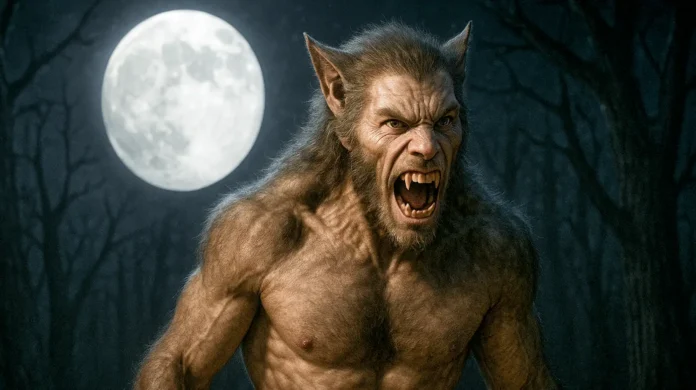
Canine Shifter
Werewolf (Lycan) Medieval Europe - Mythology & Folklore Stories
Slavic

Werewolf

A cursed shape-shifter from Medieval Europe, the Werewolf transforms during the full moon. Feared for uncontrollable rage, it embodies...
  • Skills
Frenzy InducementHealing & Life
  • Weaknesses
BeheadingFull Moon Bound
Native American
Serpentine Shifter
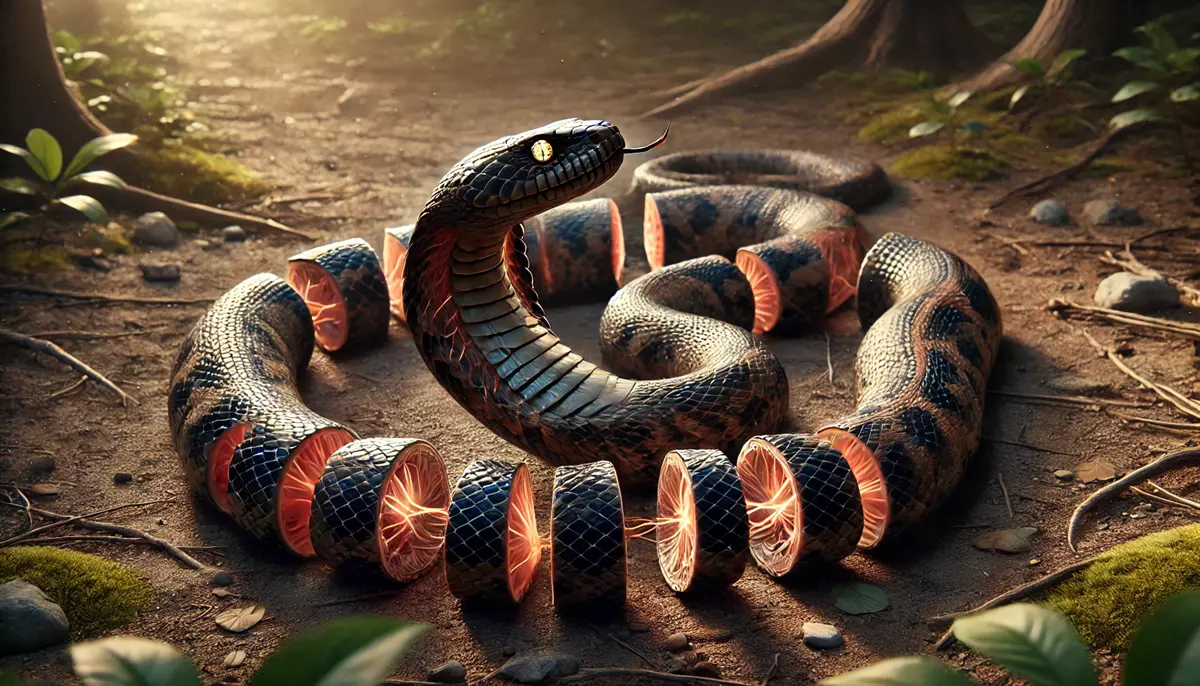
Joint Snake
Native American

Joint Snake

A mysterious serpent from North American folklore, the Joint Snake is known for its ability to reassemble itself after...
  • Skills
Enhanced AgilityHealing & Life
  • Weaknesses
BeheadingElement Sensitivities
Greece
Serpentine Beast
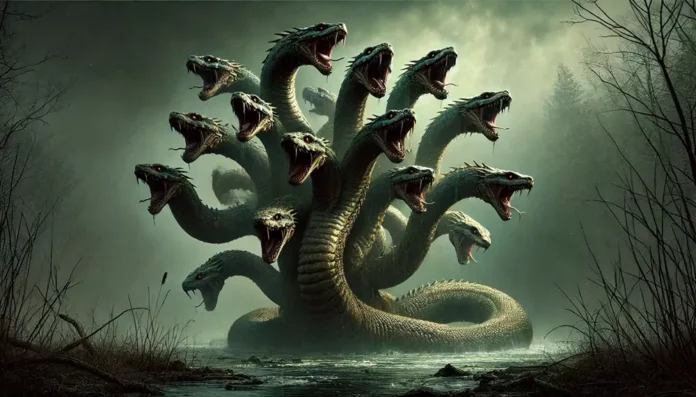
Hydra -the multi-headed serpent
Greece

Hydra

The Hydra, a multi-headed serpent of Greek mythology, grew two heads for each severed. Heracles defeated it as one...
  • Skills
Healing & LifeRegeneration
  • Weaknesses
Fire Vulnerable
Asia
Grotesque Humanoid
Japan

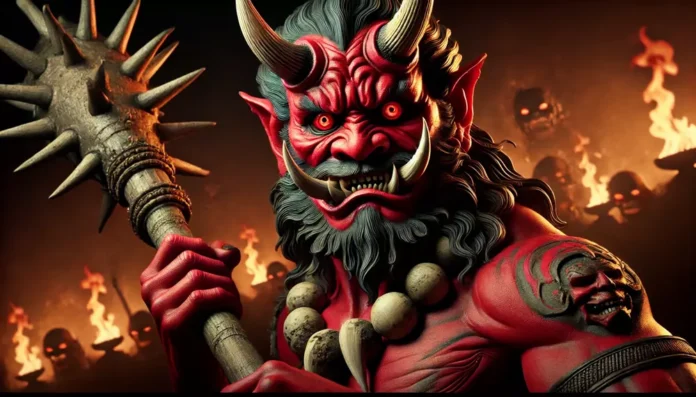
Oni

Oni are monstrous demons from Japanese folklore known for their immense strength, fearsome appearance, and connection to punishment and...

  • Skills
Fear InducementHealing & Life
  • Weaknesses
Blessed WoodDaylight Bound

Regeneration – an Overview

Regeneration in mythology signifies the ability to restore, renew, or revitalize life, matter, or essence. It is distinct from general healing, as it encompasses entire restoration, transcending mere repair. Mythological systems recognize Regeneration as a separate category due to its transformative nature, often linked to divine or supernatural agencies. Unlike typical supernatural effects that might serve temporary functions, Regeneration implies a profound and lasting change. It operates within defined mythological boundaries, ensuring its role remains symbolically significant. Regeneration’s categorization underscores its pivotal influence in mythic narratives and cosmological frameworks.

Manifestation and Constraints

How Regeneration Is Expressed

Regeneration is often manifested through dramatic transformations or environmental changes in myths. For instance, a hero’s body regenerating after battle signifies a divine favor or restored cosmic balance. These transformations are observable consequences rather than speculative occurrences. In some traditions, landscapes regenerating after divine wrath symbolize renewal and forgiveness, expressing the mythological importance of Regeneration. It underscores the cyclical nature of life and death. Such expressions emphasize the theme of continuity and the resilience of existence within mythological contexts.

Limits and Conditions

Traditionally, Regeneration is not universally accessible or unrestricted. Often, it occurs under specific conditions, such as divine intervention or ritual purity. For instance, in some myths, only those deemed worthy by the gods receive regenerative blessings. Symbolically, it underscores moral and ethical boundaries, emphasizing that regeneration is a reward for virtuousness or penance. Environmental constraints may also apply, where sacred spaces or celestial alignments are necessary for regeneration to manifest. These conditions highlight the regulated nature of mythological systems, maintaining order within the cosmos and society.

Mythological Role and Meaning

Symbolic and Cultural Significance

Regeneration holds deep symbolic meaning across various cultures, often representing hope, renewal, and continuity. In many traditions, it conveys the idea of rebirth or eternal life, aligning with concepts of cyclical time. Psychologically, it signifies resilience and the capacity to overcome adversity. Culturally, regeneration supports social structures by reinforcing moral values and divine justice. In cosmological terms, it ensures the perpetual balance between creation and destruction. Such meanings vary, but the overarching theme remains consistent: regeneration as a force of continuity and transformation.

Regeneration in Myth and Folklore

In mythology, Regeneration frequently structures narratives of authority, transformation, and boundary formation. Heroes may undergo regenerative trials to prove their worthiness or divine favor. Such narratives establish legitimacy and authority, signifying divine endorsement. Transgressions often lead to regenerative consequences, as seen in myths where the earth regenerates after being defiled, teaching moral lessons and establishing boundaries. This function of Regeneration underscores its integral role in maintaining order and conveying moral and ethical teachings within mythic stories.

Beasts with Regeneration

Fenrir

In Norse mythology, Fenrir, the monstrous wolf, embodies Regeneration through his ability to endure and survive beyond cosmic destruction. His eventual role in Ragnarok symbolizes cyclical rebirth and the inevitable renewal following destruction. Without Regeneration, Fenrir’s narrative significance in the cosmic order collapses, misclassifying him as merely destructive rather than a symbol of renewal.

Jormungandr

Jormungandr, the Midgard Serpent, encircling the world, represents Regeneration by maintaining the ocean’s cyclical ebb and flow. In Norse cosmology, his existence ensures the world’s balance and renewal. Without Regeneration, Jormungandr’s cosmic role would be incomplete, dismissing his function as a crucial agent of renewal amidst chaos.

Hydra

The Hydra, from Greek mythology, embodies Regeneration through its ability to regrow multiple heads when severed. This trait signifies resilience and the perpetual struggle against overwhelming challenges. The mythological identity of the Hydra hinges on Regeneration, as it represents the idea of renewal in adversity.

Cultural Interpretations and Regional Emphasis

Different cultures interpret Regeneration through diverse symbolic lenses. In Egyptian mythology, it aligns with the cycle of the Nile, emphasizing life’s renewal. In contrast, Celtic traditions associate it with seasonal changes, symbolizing harmony with nature. These interpretations show Regeneration’s varied moral and cosmological roles across cultures, reflecting unique environmental interactions and societal values.

Similar or Related Mythological Functions

Functions akin to Regeneration include Rebirth and Resurrection. Rebirth often involves cyclical renewal, like seasonal changes or reincarnation. Resurrection typically implies a one-time return from death. While related, these functions differ in scope and application. Regeneration encompasses ongoing renewal, distinct in its continuous transformative essence.

Historical Interpretation and Evidence Limits

Scholars interpret Regeneration through both symbolic and literal readings, depending on surviving sources. Symbolic interpretations emphasize moral and cosmological themes, while literal readings focus on specific myth narratives. Gaps in historical evidence often leave room for interpretation, acknowledging biases due to limited textual and archaeological records. No verified sources describe Regeneration for every context, necessitating cautious analysis.