back to top

Shape Shifting

Relevant Beasts
Mexico
Ghostly Apparition
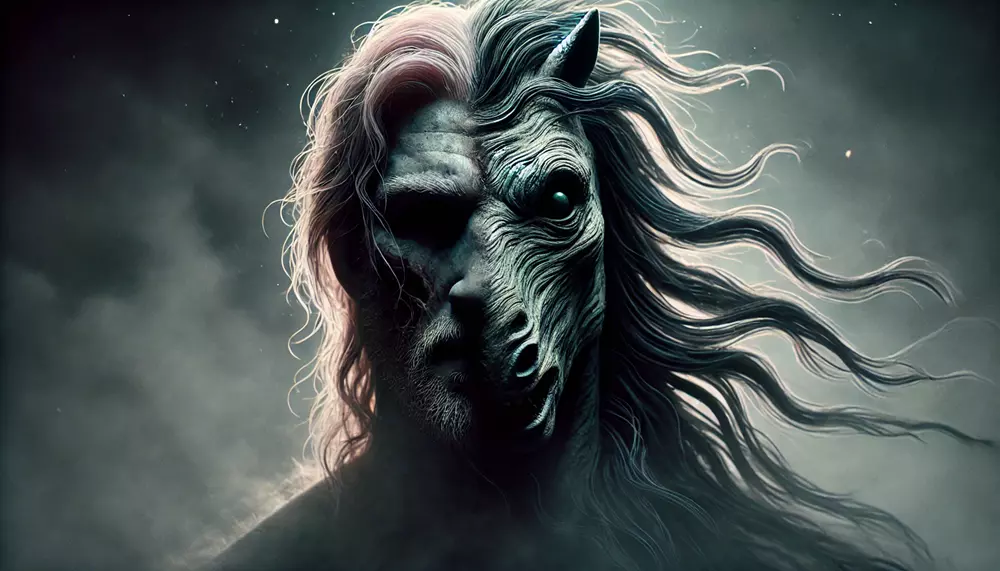
La Llorona - Mexican Folklore ghost stories
Mexico

La Llorona

A cursed ghostly woman of Mexican folklore, La Llorona eternally wanders riverbanks, weeping for her lost children and luring...
  • Skills
Aura of DeathDeath Sense
  • Weaknesses
Divine RestrictionsMortal Flaws
Europe
Canine Shifter
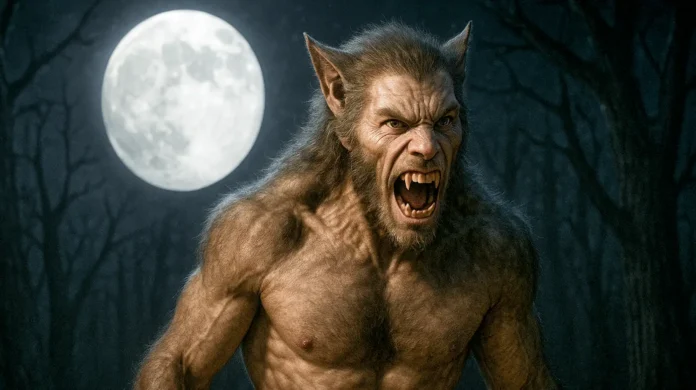
Werewolf (Lycan) Medieval Europe - Mythology & Folklore Stories
Slavic

Werewolf

A cursed shape-shifter from Medieval Europe, the Werewolf transforms during the full moon. Feared for uncontrollable rage, it embodies...
  • Skills
Frenzy InducementHealing & Life
  • Weaknesses
BeheadingFull Moon Bound
Navajo
Human-Animal Shifter
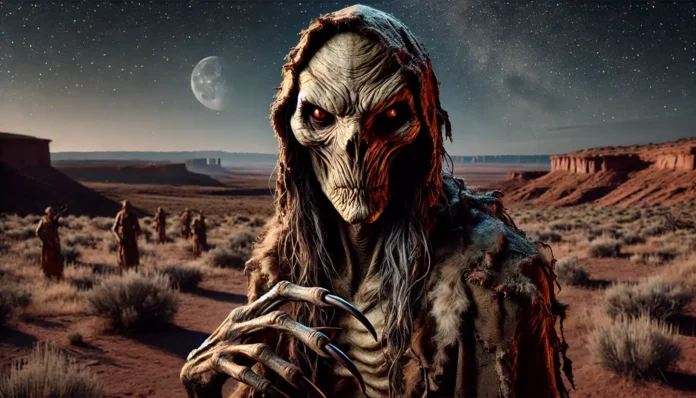
Skinwalker - Native American Folklore
Navajo

Skinwalker

Skinwalkers are terrifying figures from Navajo folklore, described as malevolent witches who possess the power to shape-shift into animals....

  • Skills
Animal MorphingPhysical Strength
  • Weaknesses
Holy GroundRitual Weak
Czech
River Guardian
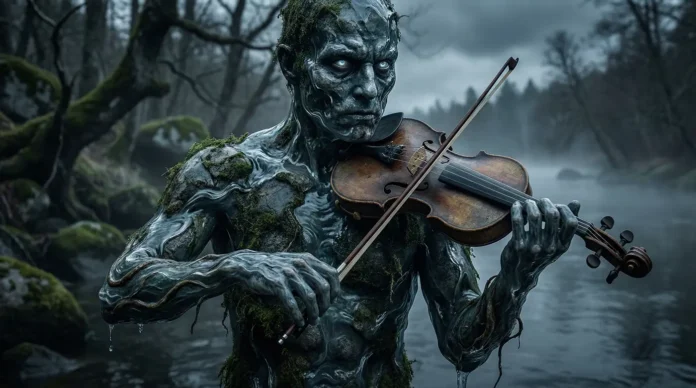
Vodyanoy - Slavic water beast
Czech

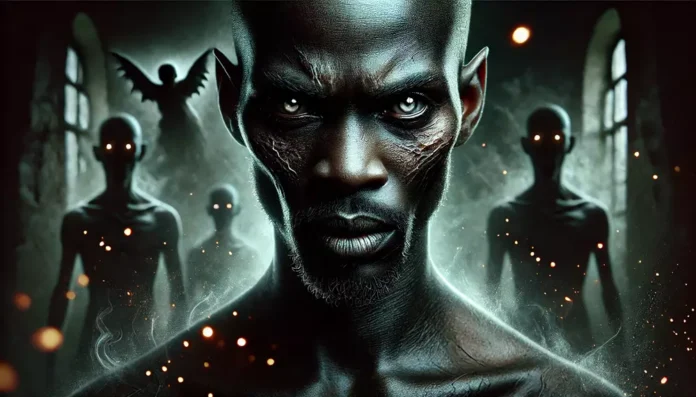
Vodyanoy

The Vodyanoy is a Slavic water spirit known for its temper and affinity for rivers and ponds, capturing unwary...
  • Skills
Shape ShiftingStealth
  • Weaknesses
Divine RestrictionsExorcism
Africa
Vampire
Adze African mythology Mythbeasts.com
Ghana

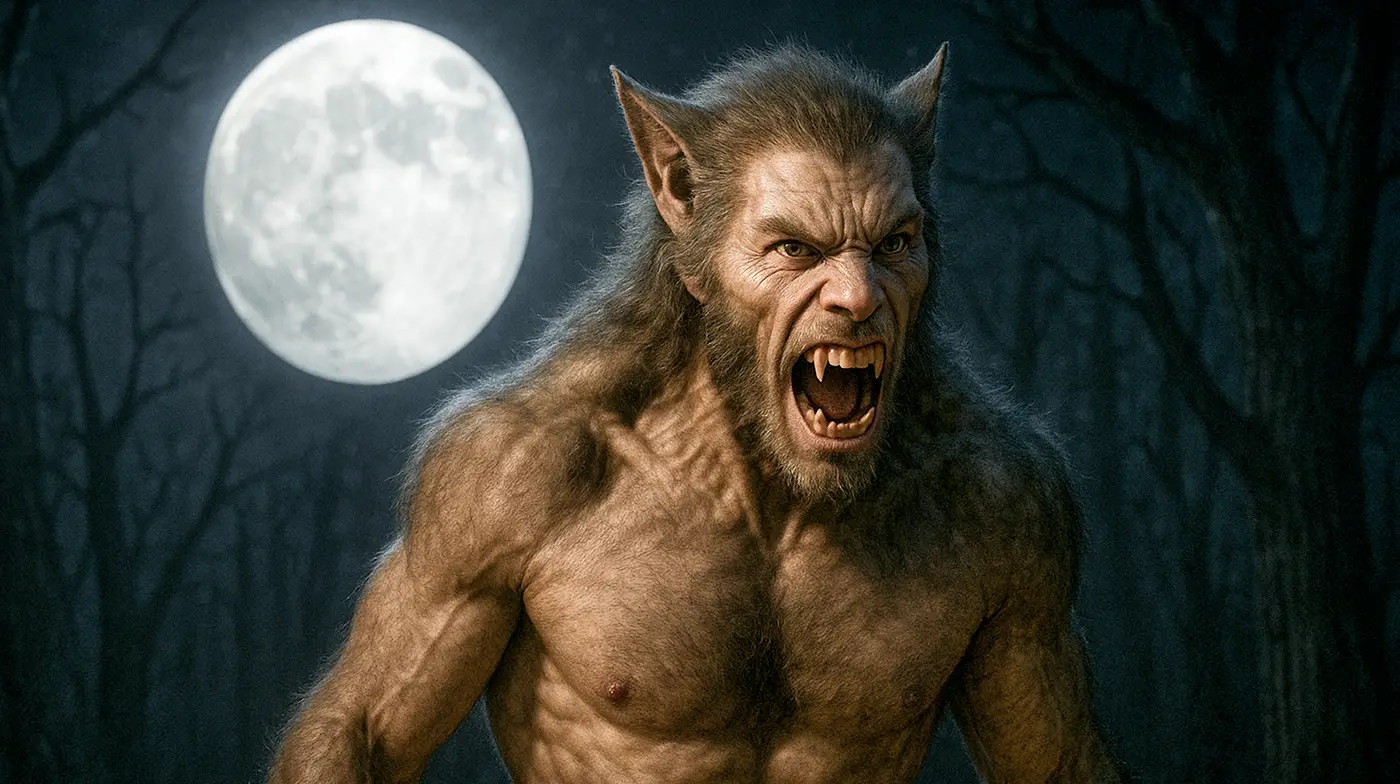
Adze

Adze is a vampiric being from Ewe folklore that transforms into a firefly to drain its victim's energy at...
  • Skills
Life DrainShape Shifting
  • Weaknesses
Hunger WeakSalt Burn
Asia
Mythical fox
Kitsune - Japanese Mythology
Japan

Kitsune

Kitsune are legendary fox spirits in Japanese folklore known for their shapeshifting abilities and mystical powers.

  • Skills
Animal MorphingShape Shifting
  • Weaknesses
Element SensitivitiesMagic Boundaries

Shape Shifting – an Overview

Shape shifting is a mythological ability allowing beings to transform their form or appearance. This capability is present across various cultural traditions, often attributed to gods, spirits, and legendary creatures.

Nature and Mechanism

How the Skill Is Expressed

In mythological contexts, shape shifting manifests as a creature changing its physical form. Beings may shift into animals, humans, or other entities, often seamlessly and instantaneously.

Limits and Conditions

Shape shifting often involves specific conditions or limitations. Some myths describe time constraints, emotional triggers, or reliance on magical items or incantations to initiate transformation.

Mythological Role and Meaning

Symbolic and Cultural Significance

Shape shifting symbolizes transformation, adaptability, and duality in myths. It often represents the fluidity of identity and the balance between opposing forces, like chaos and order.

Function in Myth and Folklore

This skill contributes to narratives by enabling characters to disguise, deceive, or escape. It serves as a tool for divine intervention, moral lessons, or illustrating a character’s power or cunning.

Canonical Beasts Associated with This Skill

Werewolf

Werewolf (Lycan) Medieval Europe - Mythology & Folklore Stories
Werewolf (Lycan) Medieval Europe – Mythology & Folklore Stories
Originating in European folklore, the werewolf is a human who transforms into a wolf, often during a full moon. This transformation reflects themes of inner savagery and loss of control. Read more

Kitsune

Kitsune stories served as warnings. Kitsune’s ability to take human form, especially as beautiful women, could have been a cautionary tale against deception and overindulgence.
In Japanese mythology, the kitsune is a fox spirit known for its ability to transform into a human. Its shape shifting signifies intelligence, trickery, and the supernatural. Read more

Púca

The púca, from Irish folklore, is a shape-shifting spirit that can appear as various animals. It symbolizes the unpredictable and mischievous aspects of nature. Read more

Cultural Distribution and Variations

Shape shifting appears globally, with variations like the Norse berserker’s animal transformations or the Navajo skinwalkers. Each culture integrates different symbolic meanings and narrative functions.

Relationship to Other Mythological Skills

Commonly Associated Abilities

Shape shifting often appears alongside powers like invisibility, enchantment, and flight. These abilities enhance the mythical being’s versatility and influence within stories.

Distinction from Similar Skills

Unlike mere illusion, shape shifting involves true physical transformation. It differs from possession, where a spirit controls another body without altering the host’s form.

Scholarly Interpretation and Uncertainty

Symbolic vs Literal Readings

Scholars view shape shifting as metaphorical for personal transformation or societal roles. Ritualistic interpretations suggest it represents broader cosmological or spiritual truths.

Limits of Historical Evidence

Historical sources on shape shifting are limited and vary by region. Some accounts are sparse, leading to interpretative gaps and reliance on oral traditions and secondary analysis.

Taxonomic Relevance

Shape shifting is a key classification category in mythology, distinguishing beings by transformative abilities. It aids in organizing myths and understanding cross-cultural themes of change.