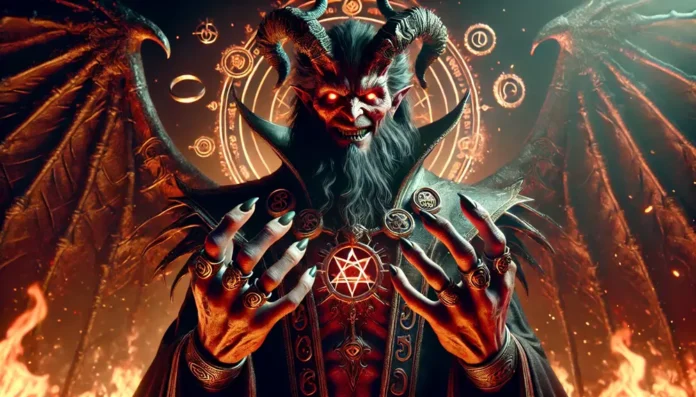
Shapeshifting Mastery – an Overview
Shapeshifting Mastery is a distinct mythological function recognized for its profound implications in folklore. It encompasses the ability to alter one’s form, often reflecting deeper symbolic meanings. Unlike general transformations, this mastery is culturally specific.
Traditionally, Shapeshifting Mastery is treated as a separate category due to its specific roles in mythologies. It is not merely a supernatural effect but a focused domain of mythological competence. It requires understanding its boundaries and significance.
The function stands out for its integral role in narratives where identity and transformation are key themes. It is more than an ability; it is a symbol of power and adaptability. This distinction is crucial in mythological categorization.
Manifestation and Constraints
How Shapeshifting Mastery Is Expressed
Shapeshifting Mastery manifests through notable transformations, often causing significant environmental and social disruptions. These changes are described in myths as altering not only physical appearance but also the fabric of reality, emphasizing its transformative power.
Mythological accounts highlight spontaneous transformations, often serving as a narrative device to explore identity and duality. Such transformations are sometimes linked with divine intervention, emphasizing a character’s divine or supernatural nature.
In some traditions, Shapeshifting Mastery is tied to specific rituals or cosmological events. These expressions are not mere physical changes but are imbued with cultural and spiritual significance, marking important shifts in the narrative.
Limits and Conditions
Shapeshifting Mastery is often bound by symbolic or moral constraints, reflecting cultural values. It is rarely depicted as an unrestricted power, often requiring specific conditions or incurring costs to the user, which anchors it within ethical frameworks.
In many traditions, moral conditions restrict the use of Shapeshifting Mastery, ensuring it aligns with cultural norms and values. It is often depicted as dangerous when misused, reflecting societal anxieties about identity and transformation.
Environmental constraints also play a role, as certain transformations occur only in specific locales or times. These limitations emphasize the mastery’s integration into the natural and cosmological order, ensuring it resonates within the cultural context.
Mythological Role and Meaning
Symbolic and Cultural Significance
Within mythological frameworks, Shapeshifting Mastery symbolizes adaptability and the fluidity of identity. It often represents a challenge to established order, reflecting cultural exploration of boundaries and transformations within the human experience.
The function is frequently associated with profound psychological meaning, embodying the dual nature of humanity. It serves as a metaphor for inner conflict and personal growth, allowing narratives to explore complex themes of self and transformation.
Socially, Shapeshifting Mastery regulates power dynamics, often portraying characters who utilize it as either revered or feared. This dual perspective highlights its cultural significance, both as a tool for empowerment and a source of transgression.
Shapeshifting Mastery in Myth and Folklore
In mythological stories, Shapeshifting Mastery often structures authority and transgression. Characters with this ability challenge norms, enabling narratives to explore the consequences of crossing boundaries and disrupting societal roles.
Shapeshifting Mastery plays a critical role in tales where transformation reflects a moral journey or cosmic balance. These stories use shapeshifting to illustrate themes of redemption, punishment, or the restoration of order, integral to the narrative’s core.
Additionally, it serves as a boundary formation tool, marking transitions between worlds or states of being. Such functions underscore its importance in mythological cosmologies, emphasizing separation and connection across realms.
Beasts with Shapeshifting Mastery
Púca
Originating in Celtic folklore, the Púca is a mischievous creature known for its shapeshifting abilities. It embodies unpredictability and transformation in its narratives. Without Shapeshifting Mastery, its role as a cultural trickster would be misunderstood.
Werewolves
In European folklore, werewolves are defined by their ability to transform between human and wolf forms. This duality symbolizes internal conflict and societal fears. Shapeshifting Mastery is central to their identity, emphasizing their liminal nature.
Kitsune
Japanese legends describe Kitsune as fox spirits possessing shapeshifting prowess. These beings are cultural symbols of cunning and change. Their narratives rely on Shapeshifting Mastery to explore themes of deception and transformation, highlighting their mystical essence.
Cultural Interpretations and Regional Emphasis
Shapeshifting Mastery manifests differently across cultures, reflecting diverse symbolism and moral frameworks. In Celtic traditions, it often represents chaos and trickery, whereas in Native American lore, it may embody spiritual transformation and connection with nature.
In Asian cultures, shapeshifting creatures often serve as moral lessons, emphasizing caution against deception. This contrasts with African traditions, where shapeshifting might be associated with ancestral powers or spiritual journeys, highlighting cultural divergences in interpretation.
Such variations underscore the nuanced understanding of Shapeshifting Mastery within regional contexts. It reflects how societies conceptualize identity, change, and moral order, offering insights into their cosmological and cultural values.
Similar or Related Mythological Functions
Related to Shapeshifting Mastery are functions like Metamorphosis and Illusion. Metamorphosis involves deeper biological transformation, often permanent, whereas Illusion focuses on perceptual changes without physical alteration, highlighting distinct functional boundaries.
While Metamorphosis shares the theme of transformation, it is often depicted as a one-time change, unlike the flexible nature of Shapeshifting Mastery. Illusion, conversely, underscores perception, differentiating it from the tangible changes in shapeshifting.
These functions, while conceptually adjacent, maintain analytical separation. Each serves unique narrative and symbolic roles within mythologies, affirming the need to distinguish Shapeshifting Mastery’s specific cultural and mythological import.
Historical Interpretation and Evidence Limits
Scholarly interpretation of Shapeshifting Mastery often explores its symbolic versus literal meanings. While some sources emphasize spiritual and moral symbolism, others highlight its narrative role, reflecting diverse historical perspectives and cultural values.
Gaps in historical evidence present challenges, as many accounts stem from oral traditions or fragmented texts. These limitations necessitate careful reconstruction to avoid speculative narratives, acknowledging uncertainties in the historical record.
Bias in surviving sources further complicates scholarly analysis, often reflecting contemporary values rather than original contexts. Such challenges highlight the need for critical examination, ensuring interpretations honor cultural authenticity and complexity.