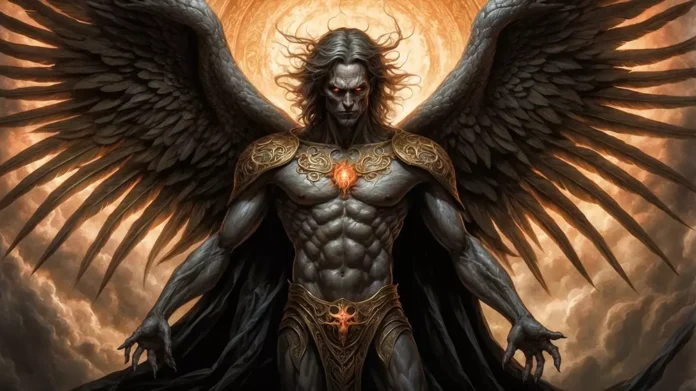
Sin Manipulation – an Overview
Sin Manipulation is a mythological function characterized by its ability to alter moral and ethical states within various cultural narratives. It is recognized as a distinct category because it affects moral consequences directly. Unlike general supernatural effects, Sin Manipulation frequently targets moral failings, aligning with cultural notions of sin. This function serves as a method to enforce divine or cosmic laws within mythological contexts. The entities or forces engaging in Sin Manipulation are often portrayed as enforcers of moral codes or agents of divine will. The distinction lies in its focus on moral and ethical transformation rather than physical or elemental manipulation.
Mythological systems treat Sin Manipulation separately because it enforces moral order and justice within narratives. It delineates cosmic and social boundaries by transforming sinners or influencing events. This function appears in many traditions, often linked to divine retribution, penance, or moral testing. Sin Manipulation is also associated with transformative justice, where wrongdoers face direct consequences for their actions. Its classification as a distinct function highlights the cultural importance of sin and moral accountability in shaping human experience and cosmology.
Manifestation and Constraints
How Sin Manipulation Is Expressed
Sin Manipulation manifests in mythological narratives through irreversible transformations, curses, or divine punishments that target moral failings. These expressions often serve as cautionary tales within cultural traditions. Consequences include physical transformations, such as turning into animals or objects, which symbolize moral degradation. Environmental disruptions are another common manifestation, reflecting the community impact of individual sins. Cosmological effects might include changes in celestial phenomena, indicating divine displeasure. These observable consequences highlight the deep integration of Sin Manipulation within mythological worldviews.
Limits and Conditions
Sin Manipulation operates under various symbolic, moral, and cosmological constraints that define its scope and legitimacy. In many traditions, only divine or semi-divine beings are capable of wielding such power, emphasizing its sacred nature. These constraints prevent indiscriminate use by mortals and reinforce the hierarchical structure of mythological systems. Moral conditions often dictate that Sin Manipulation occurs as a response to transgressions, maintaining a balance between action and consequence. Environmental factors, such as sacred spaces or times, might also influence the activation and effects of Sin Manipulation.
Mythological Role and Meaning
Symbolic and Cultural Significance
Sin Manipulation holds significant symbolic value within mythological frameworks, often representing divine justice or moral correction. It embodies the idea that moral transgressions have tangible consequences, reinforcing social and cosmological order. Culturally, it serves to regulate behavior by illustrating the repercussions of sin and the importance of maintaining ethical integrity. The psychological and social implications highlight its role in enforcing conformity and deterring deviance through fear of supernatural retribution. Sin Manipulation thus underscores the interconnectedness of moral, cosmological, and social realms in many traditions.
Sin Manipulation in Myth and Folklore
Sin Manipulation plays a vital role in structuring authority and boundaries within mythological narratives. It often signifies the limits of human agency when confronted with divine will. Tales involving Sin Manipulation frequently depict scenarios where transgression leads to transformation or punishment, reinforcing moral codes. These stories emphasize the transformative nature of sin and its ability to alter one’s identity or fate. By illustrating these themes, Sin Manipulation functions as a narrative tool for exploring concepts of authority, transgression, and redemption. Its presence in folklore highlights the enduring cultural preoccupation with moral law.
Beasts with Sin Manipulation
Jinn
Originating in Islamic tradition, Jinn are supernatural beings capable of manipulating sin through possession or temptation. Their role often involves testing human morality, making Sin Manipulation central to their mythological identity. Without this function, the Jinn’s ability to influence moral choices and enforce divine will would be misrepresented. Their narrative presence emphasizes the cultural belief in unseen forces governing ethical behavior. Jinn illustrate how Sin Manipulation highlights the complexities of free will, temptation, and divine justice within Islamic mythology.
Rakshasas
In Hindu mythology, Rakshasas are demonic entities known for manipulating sin through deception and illusion, often leading humans astray. Sin Manipulation defines their identity, as they embody moral corruption and chaos. Their presence in narratives illustrates the struggle between good and evil, reinforcing the importance of dharma (moral order). Without Sin Manipulation, Rakshasas would lose their function as antagonists challenging divine authority and human virtue. Their depiction underscores the cultural emphasis on ethical vigilance and the consequences of moral failure.
Furies
The Furies, or Erinyes, from Greek mythology, are avenging deities who punish those guilty of crimes against the natural order. Sin Manipulation is fundamental to their role, as they enact justice by inducing madness or transforming sinners. Their existence highlights the cultural importance of retributive justice and the enforcement of divine law. Without Sin Manipulation, the Furies’ function as enforcers of moral equilibrium and cosmic order would be misunderstood. Their narratives serve to remind of the inescapable consequences of sin, reinforcing social and moral norms.
Cultural Interpretations and Regional Emphasis
Sin Manipulation is interpreted differently across cultures, reflecting divergent moral frameworks and cosmological views. In Western traditions, it often aligns with retributive justice, emphasizing punishment and redemption. Meanwhile, Eastern traditions may focus on karmic consequences, where sins naturally affect future incarnations. This divergence highlights varying philosophical approaches to sin and morality. In some African traditions, Sin Manipulation is linked to ancestral spirits enforcing communal ethics. These differences underscore the cultural specificity of moral systems and the role of Sin Manipulation in maintaining societal harmony.
Similar or Related Mythological Functions
Concepts related to Sin Manipulation include divine judgment, karmic retribution, and purification rituals. Divine judgment focuses on the assessment and punishment of sin by a higher power, sharing thematic elements but differing in agency and scope. Karmic retribution, found primarily in Eastern traditions, emphasizes natural consequences rather than active manipulation. Purification rituals aim to cleanse sin through symbolic acts, contrasting with the transformative nature of Sin Manipulation. Despite these proximities, each function maintains distinct cosmological roles and symbolic meanings.
Historical Interpretation and Evidence Limits
Sin Manipulation is subject to various scholarly interpretations, ranging from symbolic to literal readings. Some view it as a metaphor for social control, while others consider it a reflection of genuine belief in supernatural justice. However, the evidence from historical sources is often fragmented or biased, complicating definitive interpretations. No verified sources describe every aspect or context, highlighting the challenges of reconstructing past beliefs. Scholars must navigate these gaps with caution, acknowledging the limitations and uncertainties inherent in interpreting mythological functions like Sin Manipulation.