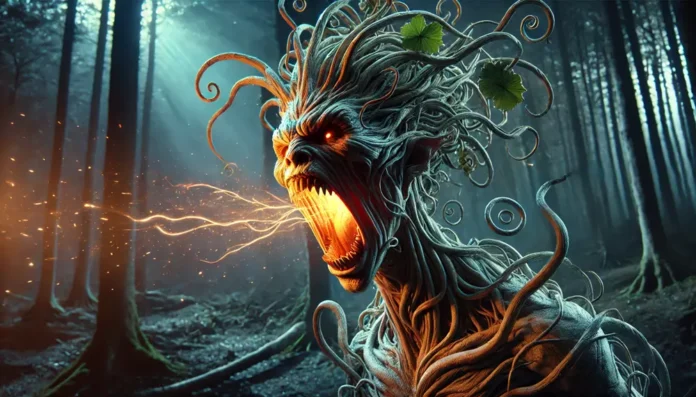
Sonic Roar – an Overview
The Sonic Roar is a unique mythological function, distinguished by its ability to transcend mere sound, manifesting as a potent force with tangible effects. Traditionally, it is recognized for its capacity to alter environments, disrupt balance, and initiate transformation. Mythological systems often categorize Sonic Roar separately from general supernatural phenomena due to its specific, observable manifestations and cultural implications. It represents not only an auditory event but a metaphysical force with profound symbolic resonance.Manifestation and Constraints
How Sonic Roar Is Expressed
Sonic Roar becomes perceptible within myths through dramatic environmental changes and transformative impacts. Legends often describe it causing earthquakes, shattering objects, or even altering the course of battles. These depictions emphasize its capacity to project power and influence through sound, affecting both the physical and metaphysical realms. In some traditions, it is said to bridge worlds, highlighting its profound cosmological significance.Limits and Conditions
The use of Sonic Roar is often governed by specific constraints within different traditions, ensuring it remains a controlled force. Symbolically, it may be restricted by moral codes, accessible only to beings of particular virtue or purpose. Environmental constraints could include its activation under certain cosmic conditions, such as during eclipses or in sacred locations. These limitations underscore its selective nature and the cultural boundaries surrounding its legitimacy.Mythological Role and Meaning
Symbolic and Cultural Significance
Sonic Roar represents various thematic elements in mythologies, often symbolizing authority, divine intervention, or the voice of the cosmos. It can embody a call to arms, an agent of justice, or a harbinger of change. The psychological impact of Sonic Roar is significant, serving as a reminder of the unseen forces underlying the visible world, reflecting both fear and reverence in cultural narratives. Its use often regulates social behavior by reinforcing moral and cosmological orders.Sonic Roar in Myth and Folklore
In mythological stories, Sonic Roar is a crucial element in narratives involving boundary formation or violation. It often signifies a breach between worlds or an assertion of divine will. These roles highlight its ability to shape mythology by enforcing or challenging existing structures. By dictating terms of transgression or authority, Sonic Roar helps construct narrative frameworks that delineate mythological and worldly orders, offering lessons on power and consequence.Beasts with Sonic Roar
Nemean Lion
In Greek mythology, the Nemean Lion is renowned for its invincible hide and fearsome roar. This roar is integral to its identity, creating terror and paralysis among enemies. Without Sonic Roar, the lion's myth would lose its distinctiveness, as its roar represents the force of nature's wrath and the mythological embodiment of Hercules's challenge.Baku
Originating from Japanese folklore, the Baku is known for devouring nightmares. Its Sonic Roar is believed to dispel evil spirits and cleanse the environment. This feature is fundamental to its role as a protector against supernatural threats. Without the roar, Baku's narrative would lack the dynamic power that defines its protective function.Thunderbird
Among Indigenous North American cultures, the Thunderbird's Sonic Roar is said to cause thunder and control the elements. This roar symbolizes divine power and cosmic regulation. The creature's mythological significance would diminish without this sonic aspect, as the roar underscores its role as a celestial enforcer of order and balance.Cultural Interpretations and Regional Emphasis
Across cultures, Sonic Roar is interpreted through diverse symbolic lenses. In some, it embodies divine judgment, while in others, it reflects natural forces or ancestral voices. For example, in Norse mythology, sounds associated with gods convey authority, whereas in Eastern traditions, sound manifests as a harmonic balance. These differences emphasize the roar's varied moral and cosmological roles, illustrating its adaptability within regional belief systems.Similar or Related Mythological Functions
Conceptually adjacent to Sonic Roar are mythological functions like the Siren's Song and Divine Thunder. While sharing auditory elements, these functions differ in purpose and effect. Siren Song captivates and ensnares, contrasting with Sonic Roar's forceful impact. Divine Thunder, like Sonic Roar, signifies power but is often a direct expression of divine will, unlike the broader transformative potential of the roar.Historical Interpretation and Evidence Limits
Scholars interpret Sonic Roar with varying emphasis on symbolic or literal meanings, depending on cultural context. Some argue it reflects historical anxieties about nature's unpredictability, while others see it as a metaphor for authority. Evidence is often fragmentary, and interpretations can be speculative. No verified sources describe a uniform understanding across all cultures, highlighting the need for cautious interpretation of surviving historical accounts.