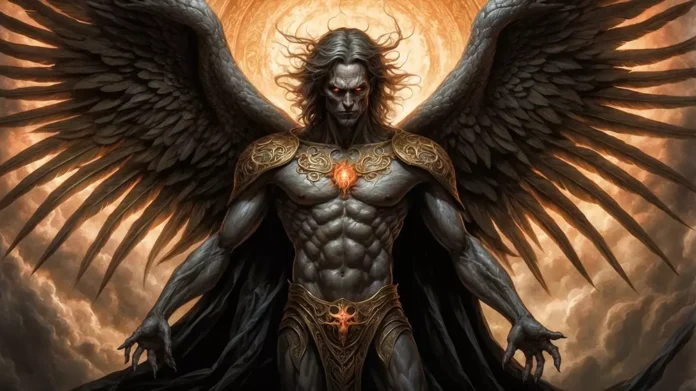
Soul Manipulation – an Overview
Soul Manipulation in mythology refers to the ability to influence, alter, or control the essence or spirit of living beings. This concept is distinct from general supernatural effects due to its focus on the soul. Mythologies across cultures recognize it as a separate classificatory category because it directly involves the soul, which is often viewed as the core of identity, morality, and consciousness. This function is considered powerful as it affects the fundamental nature of individuals and can alter their fate or existence entirely.
In various traditions, Soul Manipulation is not merely a demonstration of power but is connected to deeper metaphysical beliefs and systems. Its recognition as a distinct category arises from its implications on life, death, and the afterlife, which are central themes in many cultural cosmologies. It delineates a boundary between mere physical alteration and profound spiritual transformation, creating its own mythological niche.
Manifestation and Constraints
How Soul Manipulation Is Expressed
Soul Manipulation becomes observable in myths through noticeable effects such as drastic personality changes, unexpected longevity, or even resurrection. These manifestations often signify a deeper cosmological or spiritual disruption. Cultural narratives describe transformations that signify the importance of the soul as a locus of identity and morality. Such transformations may include the soul’s journey through the afterlife, its interaction with divine beings, or its rebirth.
Environmental disruption is another common expression of Soul Manipulation, wherein locations are imbued with spiritual significance. Sacred spaces become sites where soul-related phenomena occur, such as visions or interactions with ancestral spirits. These spaces often serve as thresholds between the physical and spiritual realms, emphasizing the soul’s fluid nature.
Limits and Conditions
The exercise of Soul Manipulation is typically bounded by moral or cosmological rules, ensuring that such power does not destabilize the natural or spiritual order. Moral constraints often reflect social values, such as the prohibition against manipulating souls for selfish or malevolent reasons. Violations of these norms frequently result in severe consequences, reinforcing cultural ethics through mythological narratives.
Cosmological constraints may involve environmental conditions, such as specific times or locations necessary to perform soul-related acts. Certain myths suggest that only divine or semi-divine beings possess the authority to manipulate souls, reflecting hierarchical structures within the spiritual realm. These conditions underscore the rarity and significance of Soul Manipulation, maintaining its status as a profound mythological function.
Mythological Role and Meaning
Symbolic and Cultural Significance
Soul Manipulation represents complex symbolic and cultural meanings within mythologies, often linked to themes of identity and transformation. It embodies the ultimate form of control over one’s fate, symbolizing both enlightenment and potential peril. In many cultures, the soul is viewed as the ultimate repository of truth and selfhood, thus manipulation implies profound ethical and ontological consequences.
Psychologically, Soul Manipulation can represent inner conflict or spiritual awakening. Culturally, it regulates behavior through its moral implications, illustrating consequences for transgressing natural or divine laws. It defines the boundaries of acceptable use of power, reinforcing social and religious norms through its depiction in myths.
Soul Manipulation in Myth and Folklore
Soul Manipulation functions as a narrative device structuring authority and transformation in myth and folklore. It is often central to stories of divine beings adjudicating human souls, demonstrating ultimate justice and moral order. Transgression tales feature humans or entities attempting to manipulate souls, resulting in tragedy or moral lessons.
Transformation myths frequently involve soul manipulation, where characters undergo spiritual metamorphosis. This process often requires overcoming trials or acquiring wisdom, reinforcing the idea that the soul’s journey is fraught with challenges. Such narratives reflect broader themes of life, death, and rebirth, grounding them in moral and cosmological frameworks.
Beasts with Soul Manipulation
Jiangshi
The Jiangshi, a creature from Chinese folklore, is fundamentally defined by Soul Manipulation. Originating from the Qing Dynasty, it represents a reanimated corpse that absorbs the life force of the living. This process reflects its manipulation of souls, transitioning them from life to undeath.
Banshee
In Irish folklore, the Banshee is intrinsically linked to Soul Manipulation through her role as a harbinger of death. Her wail signifies the imminent passing of a soul, marking her as a bridge between the living and the dead. This connection symbolizes the manipulation of fate and mortality.
Psychopomp
Psychopomps, present in multiple mythologies, facilitate Soul Manipulation by guiding souls to the afterlife. As intermediaries, they possess the ability to affect the soul’s journey, ensuring its safe passage. This central role highlights their essential function in maintaining cosmic balance.
Cultural Interpretations and Regional Emphasis
Soul Manipulation is interpreted differently across cultures, emphasizing diverse symbolic and moral frameworks. In Eastern traditions, it often relates to balance and harmony, reflecting the interconnectedness of life and spirit. Conversely, Western narratives might focus on individual morality and divine justice, highlighting personal accountability and ethical behavior.
These interpretations illustrate the cosmological role of Soul Manipulation as a mediator between life and afterlife. While some cultures emphasize communal harmony and ancestral reverence, others stress the individual’s journey and moral rectitude. Such divergences underscore the multifaceted nature of Soul Manipulation, reflecting varied cultural values and beliefs.
Similar or Related Mythological Functions
Closely related to Soul Manipulation are functions like Reincarnation, Resurrection, and Spirit Communication. Reincarnation involves the cyclical rebirth of the soul, while Resurrection focuses on its return to a previous life state. Spirit Communication entails interaction with departed souls, each function emphasizing different aspects of the soul’s journey.
Despite their proximity, these functions are analytically separate from Soul Manipulation. Reincarnation emphasizes continuity, while Soul Manipulation involves alteration. Resurrection is a restoration, whereas Soul Manipulation involves transformation. Such distinctions maintain the integrity of each mythological concept, respecting their unique significance.
Historical Interpretation and Evidence Limits
Scholarly interpretation of Soul Manipulation varies, with some readings emphasizing its symbolic nature, while others regard it as a literal possibility within historical contexts. Evidence is often fragmented and culturally biased, depending on surviving texts and artifacts. Scholars caution against overgeneralizing interpretations across disparate traditions.
No verified sources describe a universal practice of Soul Manipulation, reflecting its diverse representations. Evidence gaps persist due to the oral transmission of myths and the loss of ancient manuscripts. Consequently, interpretations must be approached with caution, acknowledging the limits of historical evidence and the potential biases inherent in source material.