
back to top

Sound Manipulation

Sound Manipulation in mythology involves controlling sound waves, creating illusions, or influencing emotions through sound.

Relevant Beasts
Denmark
Musical Spirit
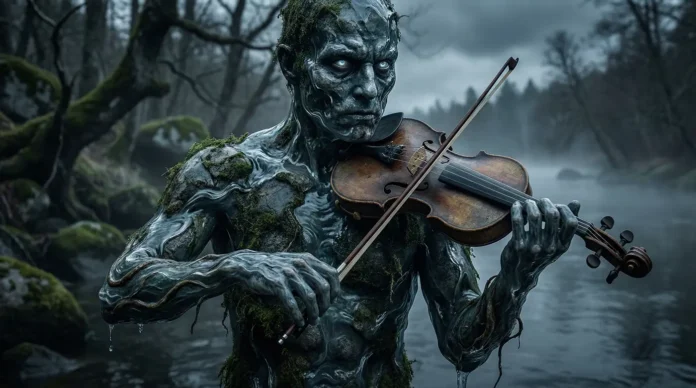
Näcken - The Enigmatic Water Spirit - Scandinavian folklore
Denmark

Näcken

The Näcken is a water spirit from Scandinavian folklore, known for its enchanting musical abilities and shapeshifting nature.

  • Skills
Illusions & PerceptionMelody Control
  • Weaknesses
Cold SteelEnvironmental Limits
Celtic
Mythic Dog
Cù-Sìth - Scottish folklore
Celtic

Cù-Sìth

The Cù-Sìth is a giant mythic hound in Scottish lore known to foretell death with its three barks. A...

  • Skills
Fear InducementIllusions & Perception
  • Weaknesses
Blessed WeaponDivine Restrictions

Sound Manipulation – an Overview

Sound Manipulation is recognized in mythological systems as a distinct function rather than a general supernatural effect. It involves the intentional alteration, creation, or destruction of sound to achieve various outcomes. This includes natural phenomena and metaphysical manifestations. Traditionally, mythological systems categorize Sound Manipulation separately due to its unique ability to affect both physical and spiritual realms. It often serves as a bridge between the tangible world and the mystical unseen, reflecting its importance in ritual and myth.Mythological traditions treat Sound Manipulation as more than just auditory magic. It is a recognized force capable of influencing events, emotions, and environments significantly. Sound Manipulation often appears as a divine or supernatural endowment, explicitly differentiating it from mundane auditory phenomena. Its classification stems from its perceived potential to reshape reality, align cosmic forces, and even alter human destinies.

Manifestation and Constraints

How Sound Manipulation Is Expressed

Sound Manipulation manifests through observable consequences, such as environmental disruption, transformations, and cosmological impacts. In myths, this includes the shattering of structures, summoning of entities, or calming of storms. The effects are often described vividly in ancient sources, emphasizing the profound impact of sound on physical and spiritual realms. The transformative power of sound often symbolizes divine intervention or the presence of a supernatural being.Sound Manipulation can also cause emotional and psychological shifts, illustrating its influence beyond mere auditory changes. It can stir awe or fear, demonstrating its control over human perception and mood. Mythological accounts often detail how sound can serve as both a weapon and a healing tool, impacting the world at a fundamental level. This duality underscores the complex role of Sound Manipulation within these narratives.

Limits and Conditions

Symbolic and moral constraints often limit Sound Manipulation within mythological traditions. These limitations indicate that only specific beings, often with divine or supernatural origins, can wield such power. Traditions often impose ethical or ritualistic boundaries, ensuring that Sound Manipulation aligns with cosmological order. This restriction prevents misuse, emphasizing that sound’s power requires wisdom and alignment with divine intentions.Environmental conditions also play a role in limiting sound’s potency, often tied to sacred spaces, particular times, or ritual contexts. Such constraints highlight the belief that sound’s power must be harnessed under specific conditions to maintain cosmic balance. These limitations underscore the idea that Sound Manipulation is not universally accessible but reserved for specific entities or moments of alignment.

Mythological Role and Meaning

Symbolic and Cultural Significance

Sound Manipulation holds significant symbolic and cultural value across various mythologies. It often represents the voice of the divine, a means of communication between gods and mortals. This symbolism reflects sound’s role in maintaining moral and cosmological order. Its manipulation signifies authority, often used by deities or shamans to exert control or convey divine will.In some cultures, Sound Manipulation symbolizes transformation and boundary crossing. It can mark transitions from one state to another, reflecting sound’s ability to transcend physical barriers. This transformative power often carries social or moral connotations, influencing community norms and spiritual practices. The cultural significance of sound extends to its use in rituals, reinforcing its role as a facilitator of divine-human interaction.

Sound Manipulation in Myth and Folklore

Within mythological narratives, Sound Manipulation often structures authority, transgression, or transformation. It marks divine presence or intervention, signifying power and control. In some myths, sound serves as a boundary marker, delineating sacred from profane spaces. Sound also facilitates transgressions across these boundaries, symbolizing change or chaos.Sound Manipulation can represent divine retribution or reward, structuring narratives around moral lessons and transformation. It can punish the wicked through destructive sound or reward the virtuous with harmonious melodies. This dual role highlights sound’s moral implications in mythological storytelling, reinforcing its importance in shaping human and divine interactions.

Beasts with Sound Manipulation

Banshee

Originating in Celtic folklore, the Banshee’s identity is fundamentally tied to sound. Her wail foretells death, making her a harbinger of transformation and boundary crossing. Without sound, the Banshee’s significance in Irish mythology would be diminished, as her cry links the realms of the living and the dead. This function embodies the cultural fear and respect for death’s inevitability.

Thunderbird

In Native American traditions, the Thunderbird embodies sound manipulation through its thunderous wing beats. This creature symbolizes power and the ability to command storms, reflecting natural forces’ awe-inspiring and transformative nature. Without its sound, the Thunderbird would lose its authoritative role in shaping weather and landscapes, integral to its mythological significance.

Sirens

From Greek mythology, Sirens use their enchanting song to manipulate sailors, leading them to doom. Their sound is central to their identity, merging beauty with danger. This manipulation of sound exemplifies temptation and transgression, demonstrating the power of sound to alter human perception and fate. Without their song, Sirens would lack their fatal allure.

Cultural Interpretations and Regional Emphasis

Sound Manipulation is interpreted differently across cultures, reflecting diverse symbolic and moral frameworks. In some traditions, it signifies divine communication, embodying authority and order. In others, it represents chaos or temptation, highlighting the dangers of auditory manipulation. These differences illustrate how sound’s role in myth reflects cultural values and cosmological beliefs.For instance, in Eastern traditions, sound often embodies harmony and balance, aligning with philosophical concepts like yin and yang. Contrastingly, Western myths may emphasize sound as a disruptive force, reflecting cultural narratives of conflict and power. These regional interpretations highlight sound’s flexible symbolism across mythological systems, shaped by varying cultural and environmental contexts.

Similar or Related Mythological Functions

Conceptually adjacent to Sound Manipulation are functions like voice-based prophecy and music-induced trance. Prophecy often involves divine speech, emphasizing sound’s role in foretelling events. However, prophecy focuses more on content than sound alone. Music-induced trance shares sound’s transformative potential but emphasizes emotional and spiritual states rather than environmental impact. These functions illustrate sound’s multifaceted role in myth.

Historical Interpretation and Evidence Limits

Scholarly interpretations of Sound Manipulation often grapple with symbolic versus literal readings. Some scholars view it as a metaphor for divine communication, while others see it as a literal force in ritual contexts. Historical sources often lack specific details, complicating interpretations. No verified sources describe universal applications for Sound Manipulation, reflecting gaps and biases in surviving texts. This uncertainty necessitates cautious reconstruction of sound’s role in ancient belief systems.