
back to top

Spirit Possession

Spirit possession involves a being controlling a human in various mythologies, often for communication or influence.

Relevant Beasts
Hebrews
Dark Spirit
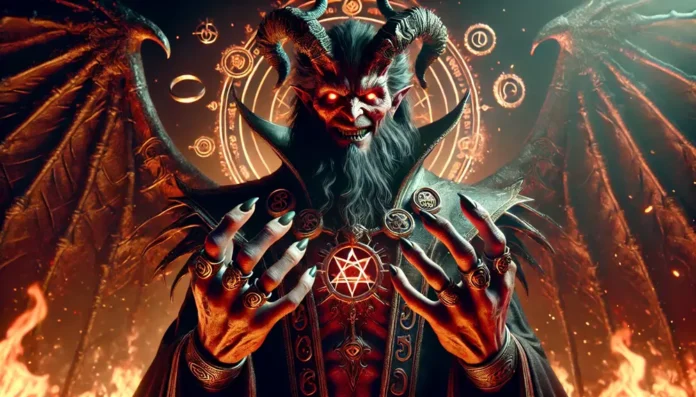
Asmodeus - the king of Shedim - Hebrew folklore
Hebrews

Asmodeus

Asmodeus, rooted in Hebrew demonology, is a king of demons known for lust and chaos, feared in Jewish lore...

  • Skills
Magic & DivinityShapeshifting Mastery
  • Weaknesses
Divine RestrictionsHoly Water

Spirit Possession – an Overview

Spirit Possession is a mythological function where a spirit inhabits a creature, human, or object. Traditionally, it is recognized as a distinct category due to its transformative implications. Unlike general supernatural effects, Spirit Possession involves a profound alteration of the host’s identity or behavior. Such possession can disrupt societal norms and is often seen as a powerful, yet controlled phenomenon.

Manifestation and Constraints

How Spirit Possession Is Expressed

In mythology, Spirit Possession is expressed through significant changes in the possessed entity. These changes can manifest as altered speech, extraordinary knowledge, or physical transformation. The surrounding environment might reflect these changes, indicating a departure from natural order. Often, mythological narratives describe these transformations as temporary but with lasting effects on the social fabric.

Limits and Conditions

Spirit Possession is bound by specific conditions in various traditions. Symbolically, it may depend on moral or ritual purity, where only certain individuals or circumstances allow possession. Cosmologically, it often requires alignment with particular celestial events or sacred spaces. Not all beings are susceptible, and traditions usually articulate these boundaries explicitly, underscoring its controlled nature.

Mythological Role and Meaning

Symbolic and Cultural Significance

Spirit Possession holds deep symbolic significance, representing communion between worlds. It often reflects moral lessons, where possession is a consequence of transgression or a test of virtue. Culturally, it might regulate societal norms by reinforcing or challenging authority. The transformative aspect signifies a bridge between the material and spiritual realms, making it a crucial cosmological element.

Spirit Possession in Myth and Folklore

In myth, Spirit Possession structures narratives by defining character roles and moral trajectories. It often marks a pivotal moment of transformation or revelation, influencing the broader narrative arc. These possessed figures may serve as intermediaries or cautionary examples, framing authority and transgression within the story’s moral universe. Thus, possession is integral to narrative development and thematic depth.

Beasts with Spirit Possession

The Wendigo

Originating in Algonquian folklore, the Wendigo embodies Spirit Possession’s horror and moral aspects. This creature is born from a human consumed by greed or cannibalism, possessed by a spirit of insatiable hunger. Without Spirit Possession, the Wendigo’s narrative collapses, losing its cautionary symbolism against excess and moral decay.

The Púca

A creature from Celtic mythology, the Púca demonstrates possession’s transformative nature. Known for shape-shifting and mischievous behavior, it possesses animals or humans to disrupt social order. Spirit Possession is central, as it represents unpredictable chaos and the blending of boundaries between reality and the mystical.

Jinn

In Islamic tradition, Jinn are spirits capable of possession, significantly impacting human behavior and fate. Spirit Possession defines their interaction with the world, as they inhabit humans to influence thoughts or actions. Without this function, Jinn would lack their dynamic role as agents of change and moral ambiguity.

Cultural Interpretations and Regional Emphasis

Spirit Possession varies widely in cultural interpretation. In African traditions, it often emphasizes community and healing, where possession facilitates divine communication. In contrast, Western narratives might stress individual struggle and moral test. These divergences highlight differing cultural priorities, such as communal harmony versus personal morality.

Similar or Related Mythological Functions

Possession shares proximity with enchantment and divine inspiration. Unlike direct control, enchantment subtly alters perception without inhabitation. Divine inspiration involves receiving wisdom without identity alteration. These distinctions underscore possession’s unique attribute of profound identity transformation and the spirit’s intimate interaction with the host.

Historical Interpretation and Evidence Limits

Scholars interpret Spirit Possession through symbolic and literal lenses. Some view it as psychological expression or cultural metaphor, while others argue for its historical belief in literal terms. Evidence is often fragmented, lacking comprehensive ancient documentation, necessitating cautious reconstruction. Understanding is thus limited by interpretative bias and incomplete sources.