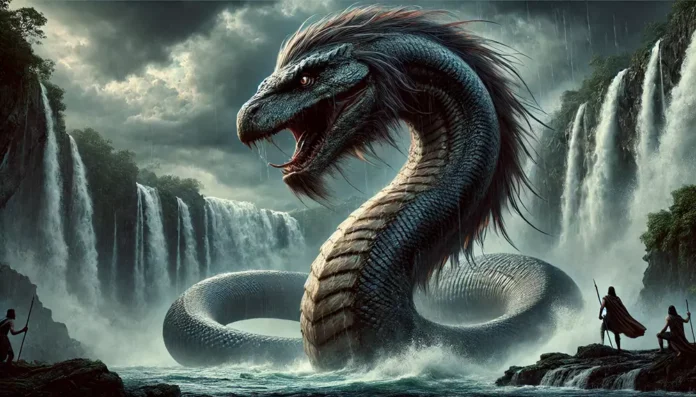
Storm Control – an Overview
Storm Control is a mythological function characterized by the ability to summon, direct, or mitigate storms. It is considered a distinct category due to its complex interplay with nature, divinity, and human intervention. This control is often reserved for deities, legendary figures, or supernatural entities, given its potential for both creation and destruction. Unlike general weather manipulation, Storm Control implies an intentional and conscious engagement with storm elements, often serving a symbolic or judicial purpose. Its recognition across various cultures highlights its importance in understanding the balance between order and chaos in mythological contexts.
Manifestation and Constraints
How Storm Control Is Expressed
Storm Control manifests through dramatic environmental changes such as torrential rains, fierce winds, and lightning. These manifestations are often linked to divine displeasure, moments of transformation, or the enforcement of justice. In mythological sources, these expressions are not merely physical phenomena but are imbued with symbolic significance, marking key narrative moments or shifts in cosmic balance.
The consequences of Storm Control can include the destruction of cities, the transformation of landscapes, or the testing of human resolve. These effects transcend mere meteorological events, becoming reflections of divine will or moral lessons. Such events are often accompanied by transformations in the social or moral fabric, illustrating a deeper cosmological impact.
Limits and Conditions
Storm Control is often bound by symbolic or moral constraints, with its use justified by higher principles or cosmic necessity. Traditions typically restrict its accessibility to certain entities, reinforcing its role as a divine or supernatural prerogative. This control is not universally accessible, and breaches of its rightful use often invite severe consequences or narrative reversals.
Environmental or cosmological conditions may also govern the application of Storm Control, aligning with seasonal cycles or cosmic events. These conditions emphasize the interconnectedness of natural and supernatural realms, ensuring that such powers are not wielded capriciously or without regard for cosmic harmony.
Mythological Role and Meaning
Symbolic and Cultural Significance
In mythological worldviews, Storm Control symbolizes the power to influence and moderate chaos. It often represents divine authority, serving as a tool for enforcing moral order or delivering justice. The psychological impact of Storm Control is profound, as it reflects both the awe of nature’s fury and the reassurance of divine oversight.
Socially, Storm Control functions as a regulatory mechanism, reinforcing the hierarchy between mortals and gods. It delineates the boundaries of human ambition and divine prerogative, reminding individuals of the limitations imposed by cosmic order. This regulation ensures that societal norms align with perceived divine will.
Storm Control in Myth and Folklore
Storm Control frequently structures narratives of authority and transgression, where protagonists are tested or punished. These stories often serve as allegories for balance and justice, illustrating the consequences of hubris or moral failure. By orchestrating storms, deities reveal their presence and enforce cosmic laws.
In myth and folklore, Storm Control also facilitates transformation, marking pivotal narrative shifts or character developments. Such transformations often involve the crossing of boundaries, whether literal or metaphorical, reshaping the narrative landscape. These role shifts underscore the fluidity of mythological constructs.
Beasts with Storm Control
Thunderbirds
In Native American mythology, Thunderbirds are powerful creatures associated with Storm Control. They are believed to bring rain and storms, symbolizing divine intervention and protection. Thunderbirds are central to cultural narratives, representing the bridge between earth and sky, embodying both creation and destruction.
Fujin
Fujin, from Japanese mythology, is a wind god often depicted as controlling storms. His presence is vital in mythological narratives, representing the chaotic yet necessary forces of nature. Without Storm Control, Fujin’s role as a balancer of natural elements would be misunderstood, ignoring his cultural significance.
Garuda
Garuda, in Hindu and Buddhist traditions, is a mythological bird with storm-related attributes. Often seen as a mount of Vishnu, Garuda controls weather and air currents, underscoring his protective role. Misclassifying Garuda without Storm Control would neglect his importance in maintaining cosmic equilibrium.
Cultural Interpretations and Regional Emphasis
Storm Control varies across cultures, with divergent interpretations in symbolism and moral framing. In Western traditions, it is often punitive, illustrating divine wrath, whereas in Eastern cultures, it may represent balance and renewal. Such differences underscore cultural priorities in understanding natural phenomena.
Regional emphasis further highlights these variations, with some traditions viewing storms as tools of cleansing or purification. Others may emphasize the destructive aspects, reflecting historical experiences with natural disasters. This cultural divergence enriches the mythological significance of Storm Control.
Similar or Related Mythological Functions
Adjacent to Storm Control are functions like weather manipulation and divine wrath. Both share elements of environmental influence but differ in scope and intent. Weather manipulation is broader and less ceremonial, whereas divine wrath encapsulates moral judgments without the intricate environmental focus of Storm Control.
While related, these functions are analytically separate, with Storm Control specifically emphasizing intentional engagement with storm elements. It requires a nuanced understanding of mythological roles, distinguishing it from general supernatural abilities. This separation is critical in accurate mythological classification.
Historical Interpretation and Evidence Limits
Scholars interpret Storm Control through symbolic and literal lenses, acknowledging its role in mythological narratives and religious practices. However, historical evidence is often fragmentary, limiting comprehensive understanding. No verified sources describe every context, necessitating careful reconstruction and interpretation.
Bias in surviving sources complicates interpretation, reflecting particular cultural perspectives or religious doctrines. Scholars must navigate these biases, differentiating between historical belief and later reinterpretations. Gaps in evidence highlight the challenges of mythological taxonomy, requiring cautious analysis.