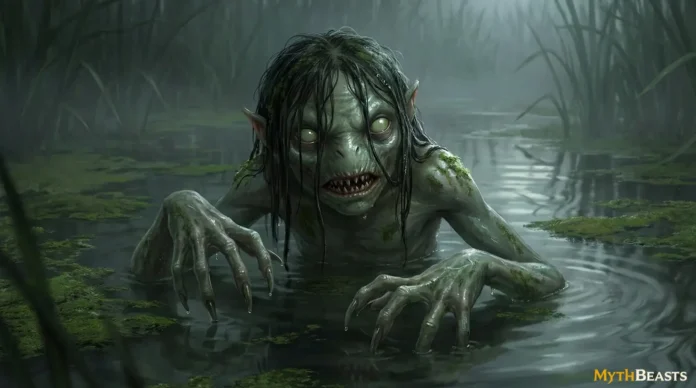
Water Walking – an Overview
Water Walking is a distinct mythological function recognized as the ability to traverse water surfaces without submergence. This capability exists across various cultural traditions, establishing a unique classification. Unlike general supernatural effects, Water Walking is often portrayed as a divine or transcendental feat, demarcating its boundaries within mythological systems.
In mythologies, Water Walking is more than a demonstration of power—it’s an expression of dominion over natural laws. Traditions treat it as a mark of spiritual or heroic status rather than an ordinary magical capability. This distinct recognition helps categorize Water Walking as a unique mythological and cultural phenomenon.
Manifestation and Constraints
How Water Walking Is Expressed
Mythological traditions express Water Walking through observable phenomena, such as characters crossing seas without sinking. Environmental disruptions like parted waters often accompany these acts, highlighting their cosmological impact. Such expressions provide evidence of Water Walking within these cultural narratives.
Transformations are sometimes a result of Water Walking, where beings change form to accommodate the act. In some traditions, this feat highlights a divine intervention or a supernatural event. The impact on the environment serves as a testament to the mystical nature of Water Walking.
Limits and Conditions
Water Walking is often constrained by symbolic or moral guidelines within mythologies. Not universally accessible, it is reserved for deities, heroes, or beings with profound spiritual purity. Thus, it carries moral or ethical prerequisites that limit its practitioners.
Environmental conditions also restrict Water Walking, as certain landscapes or contexts may nullify its occurrence. These constraints are culturally specific, indicating a cosmological order that governs the supernatural within each tradition. This order emphasizes the sacredness of water.
Mythological Role and Meaning
Symbolic and Cultural Significance
In mythologies, Water Walking symbolizes transcendence over earthly limitations and mastery of elements. It often represents spiritual enlightenment or moral virtue in cultural narratives. This symbolism is consistent across many traditions, highlighting its universal appeal.
Water Walking can also serve as a social metaphor, illustrating the power dynamics within a community. As a regulated symbolic function, it reflects societal values and norms. This regulation asserts control over who is deemed worthy of such extraordinary ability.
Water Walking in Myth and Folklore
In mythological narratives, Water Walking functions as a narrative device to establish divine authority or challenge natural boundaries. It is not merely a miracle but a structured mythological role that defines character arcs. This role often emphasizes transformation or societal disruption.
The act of Water Walking delineates a transition from one realm to another, often signaling a significant narrative shift. It structures stories by challenging physical and psychological boundaries, thus framing its mythological importance within these narratives.
Beasts with Water Walking
Kelpie
The Kelpie of Scottish folklore embodies Water Walking through its ability to traverse lochs effortlessly. This creature’s identity is fundamentally tied to its aquatic nature and deceptive charm. Without Water Walking, the Kelpie would lose its mythic allure.
Chullachaqui
In Amazonian traditions, the Chullachaqui, a shape-shifting spirit, traverses rivers without submerging. Its Water Walking ability signifies mastery over jungle waters, emphasizing its role as a protector or trickster. This feature is critical to its mythological narrative.
Mo’o
The Hawaiian Mo’o is a water deity capable of walking on water. This ability underscores its divine status and connection to aquatic environments. Without Water Walking, Mo’o would be misclassified, diminishing its role as a guardian spirit.
Cultural Interpretations and Regional Emphasis
Cultural interpretations of Water Walking vary, with some traditions emphasizing its divine nature while others view it as a moral test. In contrast, Eastern narratives may focus on its spiritual symbolism, highlighting inner peace and balance.
Some cultures interpret Water Walking as an expression of faith or devotion, where the act signals divine approval. Regional differences in emphasis reflect local cosmological beliefs, illustrating the adaptability of Water Walking across mythologies.
Similar or Related Mythological Functions
Functions similar to Water Walking include levitation and flight, both indicating transcendence of earthly constraints. However, these differ as they lack the specific aquatic association. Water Walking remains unique in its connection to water bodies.
These adjacent functions share the theme of overcoming natural laws but diverge in symbolic and historical contexts. Water Walking’s direct link to water sets it apart, emphasizing a distinct mythological niche and function.
Historical Interpretation and Evidence Limits
Scholars interpret Water Walking as both a symbolic and literal mythological function, recognizing its duality. While some narratives provide clear depictions, gaps exist in sources due to oral traditions or lost texts. This results in uncertainties in comprehensive analysis.
While some interpretive biases exist, particularly in Western-centric scholarship, efforts to contextualize Water Walking within its cultural origins continue. No verified sources describe every context, underscoring the need for careful examination and acknowledgment of these historical limits.