
back to top

Anti-Magic

Anti-Magic nullifies supernatural abilities, exposing entities to ordinary threats.

Relevant Beasts

Asia
Celestial Being
Fenghuang - Chinese folklore
China

Fenghuang

The Fenghuang, or Chinese Phoenix, embodies harmony and virtue, often associated with the Empress and cosmic balance.
  • Skills
Divine LightFire Absorption
  • Weaknesses
Anti-MagicCurse Bound
North America
Abyssal Guardian
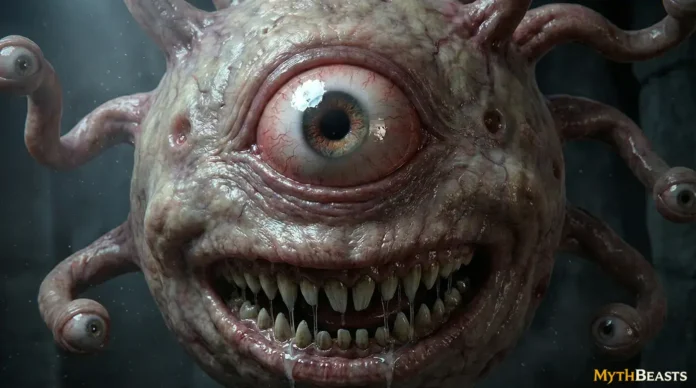
Beholder - dungeons & dragons
USA

Beholder

Beholders are otherworldly creatures with a central eye and many smaller eye stalks, each capable of casting powerful magical...

  • Skills
Life DrainMind Control
  • Weaknesses
Anti-MagicLight

Anti-Magic – Overview

Anti-Magic serves as a mythological weakness that limits supernatural abilities through diverse metaphysical means. It is a conceptual boundary that curtails power, enforcing limits within the mythological framework. Unlike situational weaknesses, Anti-Magic is deeply embedded in folklore, presenting a universal constraint. Its presence signifies the inherent limitations of entities and forces that might otherwise seem omnipotent, highlighting the balance required within mythological cosmology. This concept underscores the vulnerability of power, emphasizing constraints that prevent unchecked dominance or imbalance.

Defining Characteristics of the Weakness

Nature of the Limitation

Anti-Magic represents a metaphysical restriction that transcends mere physical vulnerability. It serves as a boundary, a moral prohibition preventing the overreach of magic within mythological systems. The recurring pattern across cultures shows Anti-Magic as an existential constraint, ensuring that supernatural forces maintain their intended limits within the cosmic order. By defining boundaries, it preserves the integrity of mythical beings and their capabilities. The recognition of this weakness is crucial to understanding the broader mythological narrative.

Conditions of Exposure

Anti-Magic becomes relevant under specific symbolic conditions that highlight its function. These conditions often include environments imbued with sacred law or moral consequence, where the natural order enforces balance. The presence of Anti-Magic in these contexts underscores the limitations divine or supernatural beings face. Exposure is commonly tied to cosmological conditions, emphasizing the inevitable nature of boundaries within the mythological framework. These conditions are not random but are embedded within the narrative to highlight the finite nature of power.

Mythological Role and Function

Function Within Mythological Systems

Within mythological systems, Anti-Magic regulates the balance of power, ensuring that no single entity achieves absolute dominance. It enforces limitations and enables downfall when power is misused or overextended, preserving cosmic order. Anti-Magic prevents the disruption of balance, maintaining harmony within the mythological cosmos. By introducing vulnerability, it allows for the cyclical renewal of power and structure. This regulation is crucial for upholding the mythological narrative, preventing any entity from overshadowing the entire system.

Symbolic and Cultural Meaning

Symbolically, Anti-Magic represents the inevitability of limitations, reflecting moral consequences and sacred laws across different cultures. It symbolizes the boundary enforcement necessary to maintain order in mythological narratives. This concept often reflects the limitation of hubris, preventing the overreach of power, thus underscoring the enduring nature of cosmic laws. Anti-Magic is a reminder of mortality and the need for balance. It reflects cultural values, emphasizing humility and respect for intrinsic limits, aligning with broader moral teachings.

Distinction from Related Mythological Weaknesses

Conceptual Boundaries

Anti-Magic differs from general mortality, physical injury, or divine punishment due to its inherent metaphysical nature. Unlike situational defeat, it represents a systemic limitation rather than an incidental obstacle. Anti-Magic is not interchangeable with taboo violations, as it operates on a broader cosmic scale. This distinction is essential for accurate mythological classification. While other weaknesses may result from personal failings, Anti-Magic is rooted in the fabric of the mythological universe itself.

Common Sources of Misclassification

Anti-Magic is often misunderstood due to its abstract nature, leading to conflation with other vulnerabilities. It is sometimes oversimplified as a narrative device rather than a cosmological necessity. Comparative mythology distinguishes Anti-Magic through its inherent role in maintaining balance, unlike more tangible weaknesses. Scholars emphasize its systemic function rather than incident-based occurrences, highlighting the need for nuanced analysis. Misclassification arises when its broader implications are reduced to mere narrative convenience, overlooking its structural significance.

Canonical Beings Defined by Anti-Magic

Sekhmet

In Egyptian mythology, Sekhmet embodies divine wrath, yet is constrained by Anti-Magic. Her powers are nullified by rituals, illustrating the necessity of balance. Without this limitation, her destructive force would disrupt cosmic harmony. This highlights the integration of Anti-Magic within her narrative, emphasizing a divine mechanism for restoring order and preventing chaos. Sekhmet’s myth demonstrates the role of Anti-Magic in regulating divine attributes and maintaining equilibrium in mythological systems.

Fafnir

In Norse mythology, Fafnir, a transformed dragon, is subject to Anti-Magic through vulnerability to certain weapons. This limitation underscores the balance between greed and power. Without Anti-Magic, Fafnir’s invulnerability would render him undefeatable, disrupting mythological coherence. This demonstrates the necessity of such constraints in mythological narratives, ensuring the inevitable downfall of excess. Fafnir’s story illustrates the critical role of limitations in maintaining narrative tension and moral lessons within mythological contexts.

Djinn

In Arabian mythology, Djinn face Anti-Magic through constraints that bind them to objects, ensuring their power remains controlled. This highlights the importance of balance and serves as a reminder of the limits of autonomy. Without Anti-Magic, Djinn would possess unchecked influence, contradicting their mythological role. This constraint is integral to their identity, emphasizing the necessity of boundaries in the depiction of supernatural entities. It affirms the overarching cosmological balance required within mythological narratives.

Historical Distribution and Cultural Context

Anti-Magic appears across diverse cultures, including Egyptian, Norse, and Arabian traditions, reflecting a broad historical distribution. Its presence is evident in environments where belief systems emphasize cosmic balance and moral order. These cultural contexts reveal the universality of Anti-Magic as a mythological constraint. It persists across historical periods, highlighting shared human concerns about power, dominance, and cosmological order. This broad distribution underscores its significance as a recurring theme within global mythologies.

Scholarly Interpretation and Uncertainty

Variation in Interpretation

Interpretations of Anti-Magic vary widely between cultures and historical periods. Some view it as symbolic, emphasizing moral consequences, while others interpret it literally as part of cosmic law. Scholars explore these variations, revealing the complexity of the concept. Different frameworks offer insights into its role, reflecting cultural perspectives on power and limitation. This diversity in interpretation challenges singular readings, highlighting the richness of mythological analysis. Each interpretation provides a unique lens on Anti-Magic’s significance.

Limits of the Evidence

The evidence surrounding Anti-Magic often lacks clarity, leading to debate among scholars. Many interpretations remain uncertain or contested due to limited historical sources. Recognizing this ambiguity is crucial for responsible analysis. Established interpretations highlight its role in maintaining balance, yet gaps remain in understanding its full implications. Scholars must distinguish between well-founded interpretations and those without verified sources. This acknowledgment promotes a balanced view, allowing for continued exploration and understanding within mythological studies.

Mythological Function Across Cultures

Anti-Magic recurs across mythological traditions due to shared human concerns about power, control, and cosmic order. Its symbolic roles address universal themes, such as hubris and balance. Understanding this weakness enhances comparative mythology, revealing underlying structures. It reflects cultural needs to impose limits on supernatural forces, ensuring harmony and preventing chaos. This function is critical to interpreting mythologies, offering insights into the cultural psyche and universal themes that resonate across different societies.