
back to top

Daylight Bound

Daylight Bound is a mythological condition where exposure to sunlight weakens or immobilizes certain beings.

Relevant Beasts

Inuit
Sea Lurker
Qallupilluit - Alaska Mythology
Inuit

Qalupalik

The Qalupalik is a chilling creature from Inuit mythology, lurking in icy waters and luring children to a watery...
  • Skills
Element ControlHypnosis
  • Weaknesses
Cold SensitiveDaylight Bound
Asia
Grotesque Humanoid
Japan

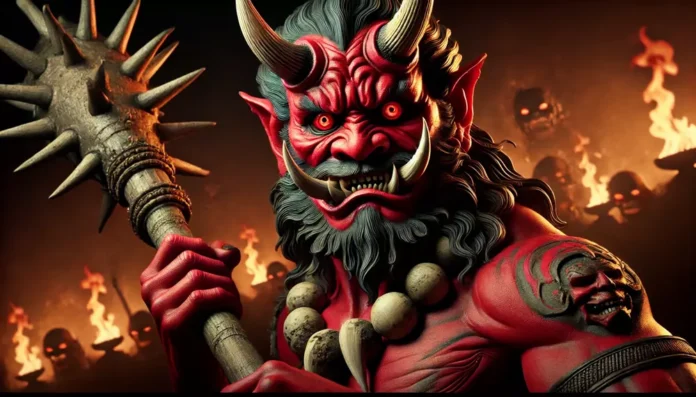
Oni

Oni are monstrous demons from Japanese folklore known for their immense strength, fearsome appearance, and connection to punishment and...

  • Skills
Fear InducementHealing & Life
  • Weaknesses
Blessed WoodDaylight Bound
Asia
Ghostly Apparition
Japan

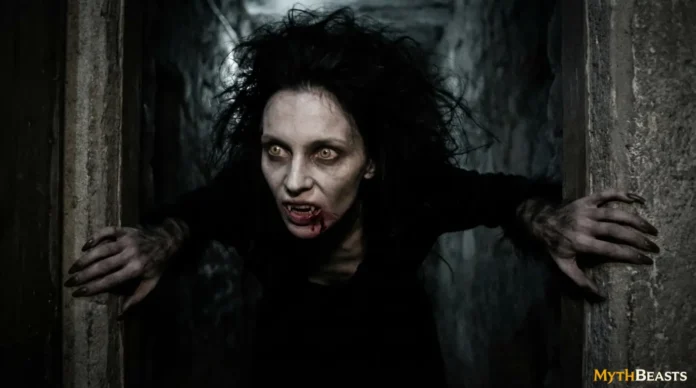
Teke Teke

Teke Teke is a vengeful spirit from modern Japanese urban legends. It represents fears of modernization and industrial accidents,...
  • Skills
Illusions & PerceptionSpeed
  • Weaknesses
Daylight BoundPhysical Exhaustion
Hebrews
Demonic Form
Alukah - Hebrews Mythology
Hebrews

Alukah

A vampiric demoness in ancient Hebrew mythology that drinks blood and preys on humans.

  • Skills
Shapeshifting
  • Weaknesses
Daylight BoundSacred Relic

Daylight Bound – Overview

Daylight Bound is a mythological weakness that represents a fundamentally limiting condition within various cultural systems. It is often portrayed as a structural constraint rather than a mere situational obstacle. Unlike weaknesses born from accidental failure, Daylight Bound signifies a profound vulnerability that manifests consistently across multiple mythologies. It symbolizes an entity’s inherent limitation, drawing attention to the boundaries imposed by cosmological or environmental factors. This concept highlights the existence of natural laws within mythological frameworks, reinforcing the idea that even powerful beings cannot escape certain existential conditions.

Defining Characteristics of the Weakness

Nature of the Limitation

Daylight Bound typically represents a metaphysical or environmental dependency that restricts an entity’s abilities or existence. This weakness often manifests as a physical vulnerability to sunlight, but it is more accurately understood as an existential constraint. Mythologies frequently emphasize the inevitability of these limitations, portraying them as unalterable aspects of the natural order. The recurring patterns of Daylight Bound indicate its role in defining the boundaries of power within mythological systems. Such constraints ensure that no entity can achieve absolute dominance without facing certain inherent vulnerabilities.

Conditions of Exposure

The activation of Daylight Bound often relies on specific symbolic or environmental conditions. Sunlight, as a universal symbol of life and truth, frequently acts as the catalyst for this weakness. In mythological narratives, exposure to daylight reveals the true nature of beings, stripping away illusions and enforcing the cosmic order. This vulnerability becomes relevant when moral or cosmological conditions demand the restoration of balance. Entities bound by daylight are often depicted as creatures of darkness, reinforcing the symbolic dichotomy between light and shadow. The conditions of exposure highlight the interplay between cosmic cycles and existential limitations.

Mythological Role and Function

Function Within Mythological Systems

Within mythological systems, Daylight Bound operates as a crucial mechanism for regulating power and preserving cosmic balance. By imposing boundaries on entities that might otherwise dominate, this weakness ensures that no single force can disrupt the natural order. Daylight Bound prevents absolute dominance by enforcing inherent limitations on powerful beings. This structural vulnerability serves to maintain equilibrium within the mythological cosmos, functioning as a safeguard against unchecked power. By enforcing such constraints, mythologies emphasize the importance of balance and interdependence among cosmic forces. The weakness also acts as a reminder of mortality and the inevitable decline of all things.

Symbolic and Cultural Meaning

Symbolically, Daylight Bound represents the inevitable consequences of hubris and the limits of mortal ambition. Across cultures, this weakness is often interpreted as a reflection of sacred law, emphasizing the boundaries that even deities cannot transgress. It underscores the moral implications of overreaching and the necessity of respecting cosmic laws. Daylight Bound evokes themes of mortality and limitation, reminding humanity of its place within the natural order. The weakness also serves as a cultural metaphor for the consequences of excessive pride or ambition, reinforcing the idea that all entities are subject to higher powers.

Distinction from Related Mythological Weaknesses

Conceptual Boundaries

Daylight Bound differs from general mortality, physical injury, or divine punishment by emphasizing existential constraint rather than situational defeat. While mortal vulnerabilities arise from inherent limits of life, Daylight Bound is a boundary that enforces cosmic order. It is not a consequence of divine wrath or taboo violation but arises from the fundamental conditions of existence. This distinction highlights its role as a metaphysical boundary rather than a punitive or incidental weakness. Unlike situational defeat, Daylight Bound is an enduring limitation integral to certain entities’ nature, reinforcing the inevitability of cosmic balance.

Common Sources of Misclassification

Daylight Bound is often misunderstood or conflated with other vulnerabilities due to its broad symbolic associations. The weakness is sometimes mistakenly categorized as physical fragility or moral failing, overlooking its role as a cosmic boundary. Comparative mythology distinguishes Daylight Bound by focusing on its function as an existential constraint. Misclassifications may arise from oversimplifying mythological narratives or neglecting cultural contexts. Scholars differentiate Daylight Bound by analyzing its symbolic significance and recurring patterns across mythologies. Awareness of these distinctions helps clarify its unique role within mythological systems.

Canonical Beings Defined by Daylight Bound

Vampires

Vampires, originating from European folklore, are quintessential examples of beings constrained by Daylight Bound. Their vulnerability to sunlight reflects an existential limitation central to their mythological identity. Without this weakness, vampires would lack narrative coherence within their cultural context.

Yokai

Japanese Yokai, including certain creatures like Yurei, are bound by daylight as part of their supernatural nature. Their existence is conditional upon the absence of sunlight, underscoring their role within the cosmological framework of Japanese folklore.

Trolls

Trolls in Norse mythology are often depicted as creatures that turn to stone in sunlight. This daylight-bound limitation defines their mythical narrative and emphasizes the overarching themes of balance and harmony within the natural world.

Historical Distribution and Cultural Context

Daylight Bound appears across diverse cultures and historical periods, reflecting shared human concerns about cosmic order and existential limits. The weakness is prevalent in European, Asian, and Scandinavian folklore, among others. It often emerges in belief systems that emphasize duality and balance within the universe. By imposing boundaries on supernatural entities, Daylight Bound highlights the importance of harmony within mythological narratives. The recurrence of this weakness across cultures underscores its symbolic and philosophical significance.

Scholarly Interpretation and Uncertainty

Variation in Interpretation

Understandings of Daylight Bound vary across cultures and historical periods, influenced by differing cosmological beliefs. Some interpretations emphasize literal consequences, while others focus on symbolic meanings, reflecting diverse scholarly frameworks. Variations arise from differing cultural contexts and mythological traditions. Scholars explore these differences to uncover the universal themes underlying the weakness. The symbolic versus literal readings of Daylight Bound contribute to its complexity within comparative mythology. Recognizing these variations enhances our understanding of its multifaceted nature.

Limits of the Evidence

The historical and comparative evidence for Daylight Bound contains gaps and ambiguities, complicating scholarly analysis. While established interpretations provide valuable insights, uncertainties persist due to the absence of comprehensive sources. Efforts to reconstruct this weakness must acknowledge these limitations and avoid speculative conclusions. Scholars debate the extent to which Daylight Bound represents universal themes or culture-specific narratives. Distinguishing between established interpretations and contested readings remains crucial for responsible mythological analysis. Acknowledging the limits of evidence ensures a balanced approach to understanding Daylight Bound’s role in mythology.

Mythological Function Across Cultures

The recurrence of Daylight Bound across mythological traditions highlights shared human concerns about power, balance, and cosmic order. This weakness resonates with symbolic needs for equilibrium and interdependence within the universe. By imposing existential constraints, Daylight Bound emphasizes the limitations of hubris and the inevitability of decline. Recognizing this weakness enhances comparative interpretation by revealing universal themes underlying diverse mythologies. It underscores the importance of respecting cosmic boundaries and the consequences of overreaching ambition. Understanding Daylight Bound within its cultural context enriches our appreciation of mythological systems globally.